Just five years ago, Chinese President Xi Jinping was fêted as a champion of globalisation at the World Economic Forum. Today, the same gathering of elites is rife with accusations that his policies are torpedoing the world economy.
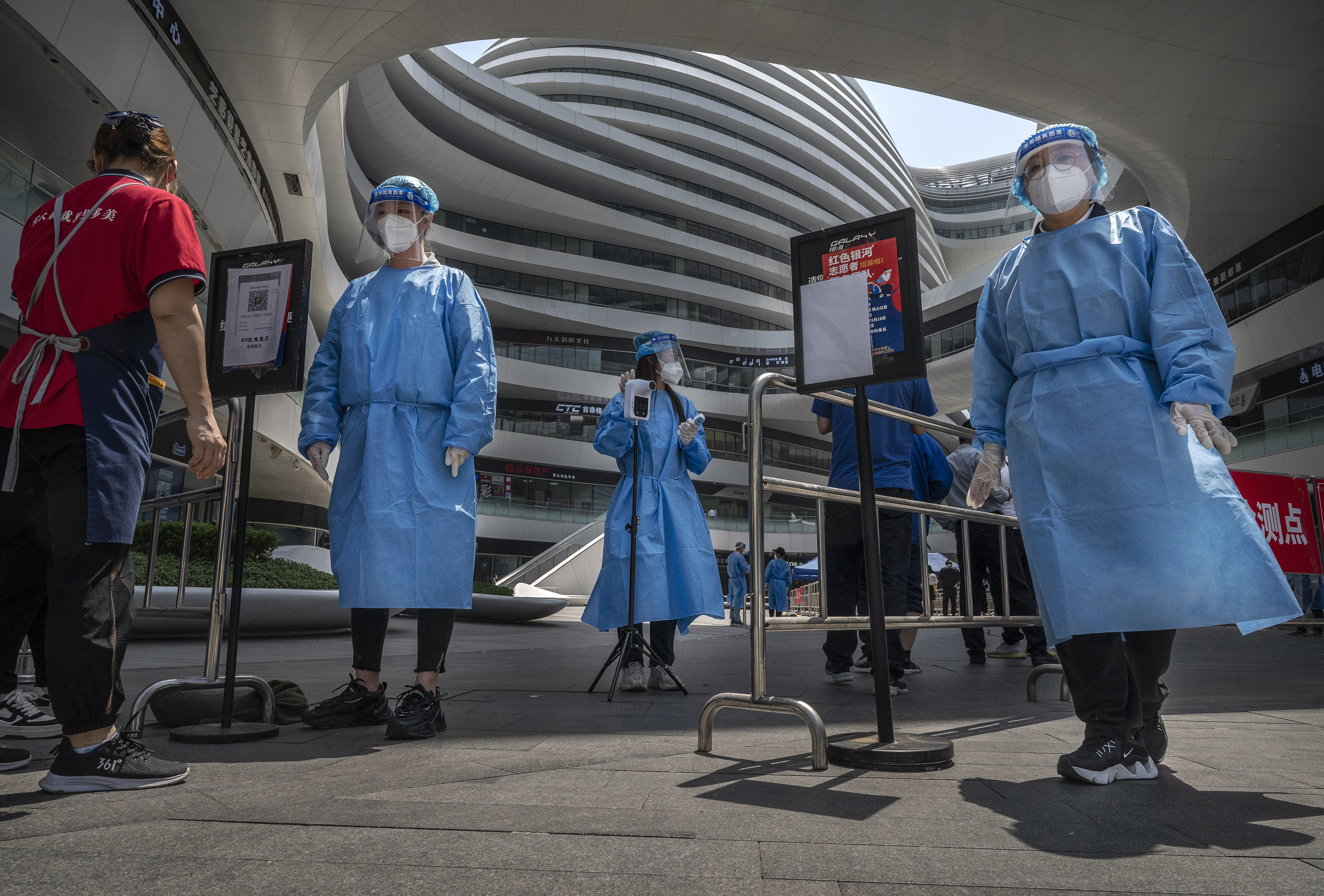
The shift reflects a stark reversal of fortune. In 2017, Xi’s defence of open markets earned him a standing ovation. Now, business leaders and policymakers privately blame China’s disastrous Zero Covid strategy for supply chain disruptions, stunted consumer demand, and a property crisis that has paralysed the world’s second-largest economy. The mood, according to multiple attendees, is one of deep unease.
China’s fragility has become a central theme of this year’s forum. Where once Davos delegates saw a reliable engine of growth, they now see a source of systemic risk. The abrupt abandonment of Zero Covid in December, while welcomed, has done little to restore confidence. Instead, it has exposed the depth of the damage: factories are slow to restart, households are hoarding cash, and foreign investors are pulling back.
The World Economic Forum has long been a barometer of global economic sentiment. This year, the barometer is flashing red for China. Economists in attendance note that the country’s gross domestic product growth, while still positive, masks a fractured recovery. The property sector, once a pillar of wealth, is now a drag on household spending and local government finances.
Criticism of China’s approach is not limited to the pandemic. Delegates point to a broader pattern of policy unpredictability, from regulatory crackdowns on tech firms to a tightening grip on private enterprise. This has made long-term investment planning nearly impossible, several fund managers told colleagues on the sidelines of the forum.
A void in leadership
Xi’s absence from this year’s gathering has not gone unnoticed. In 2017, his speech offered a vision of cooperative globalism. This year, no senior Chinese official has been dispatched to deliver a comparable address. The void has been filled by doom-mongers, as one European banker put it, who predict that China’s troubles will deepen before they improve.
The consequences extend far beyond China’s borders. A slowdown in Chinese demand has already dampened export prospects for Germany, Japan, and other manufacturing powerhouses. If the malaise persists, the forum’s attendees fear, it could tip the global economy into a recession far worse than the one many had already begun to price in.