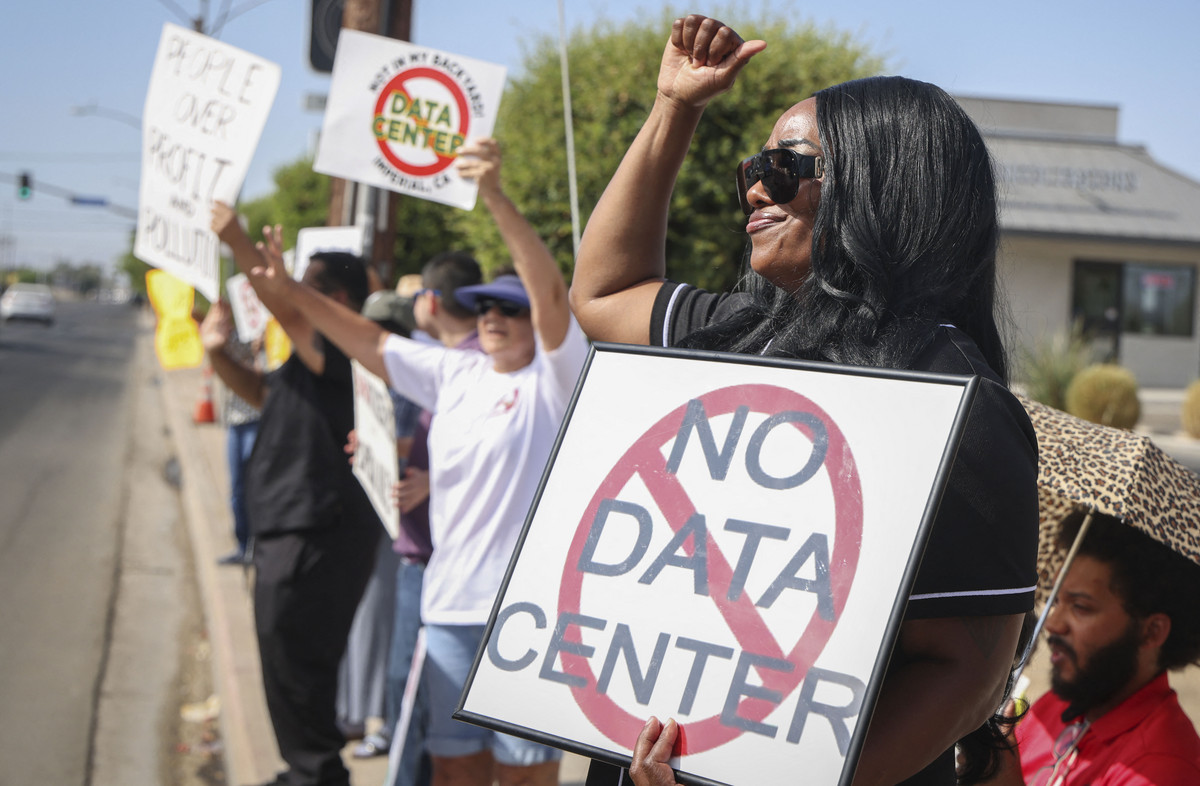
The scene captured a growing backlash that has propelled data center policy from local zoning disputes to the top of the federal agenda.
The number of companies, associations and advocacy groups lobbying on data center issues more than doubled this spring compared to the same period last year, according to a review of federal disclosures. More than 200 entities reported lobbying between April and June on proposals ranging from preventing electricity demand spikes from driving up utility rates to a nationwide moratorium on new facilities.
The surge represents a sharp increase from the second quarter of 2025, when fewer than 100 companies and groups registered to lobby on data center matters. The disclosures, analyzed by POLITICO, also show significant attention to the Federal Energy Regulatory Commission's actions regarding how to connect the massive electricity users to the grid.
Elizabeth Whitney, managing principal at the firm Meguire Whitney, said the issue has become central to her practice representing electric cooperatives and municipal power utilities. "At this point, almost all my clients are lobbying on this," she said.
The lobbying push reflects a broader shift as concern about the energy and environmental impacts of data centers has exploded across the country. Local battles that once played out in city halls and county commission meetings have now reached the White House and Congress, forcing federal lawmakers to confront the consequences of the industry's breakneck growth.
Data centers, which power cloud computing, artificial intelligence and streaming services, have become some of the largest consumers of electricity in the United States. Their expansion has strained local grids, raised fears of blackouts and sparked disputes over who should bear the cost of new power infrastructure.
In Washington, the lobbying has intensified as the Trump administration and Congress consider legislation to address the industry's rapid growth. The proposals under discussion include measures to prevent data center demand from spiking residential utility rates and efforts to impose federal standards on where and how new facilities can be built.
The disclosures underscore how the data center boom has created unlikely alliances and fierce opposition. Environmental groups, utility companies and local governments have all pressed their cases on Capitol Hill, while the tech industry has fought to protect its ability to build the infrastructure needed to meet surging demand for digital services.