Commerce Secretary at a premier artificial intelligence conference this week has pulled back the curtain on high-stakes friction surrounding one of the nation’s most ambitious infrastructure projects.
The altercation occurred between Fermi America CEO Toby Neugebauer and Commerce Secretary Howard Lutnick at the Nvidia GTC conference in San Jose. According to a witness, Neugebauer became “loud and belligerent” as he confronted Lutnick about securing South Korean investment for his company’s massive data center campus in West Texas, a characterization supported by two other people familiar with the dispute.
Neugebauer, who has prior business and personal ties to Lutnick, disputed labeling the encounter as heated but acknowledged a “direct conversation.” He expressed frustration with what he sees as Lutnick’s interference in the $60 billion Donald J. Trump Advanced Energy and Intelligence Campus planned for Amarillo. “I’m frustrated with the lack of progress,” Neugebauer said in a statement.
A Project Entangled in Global Trade
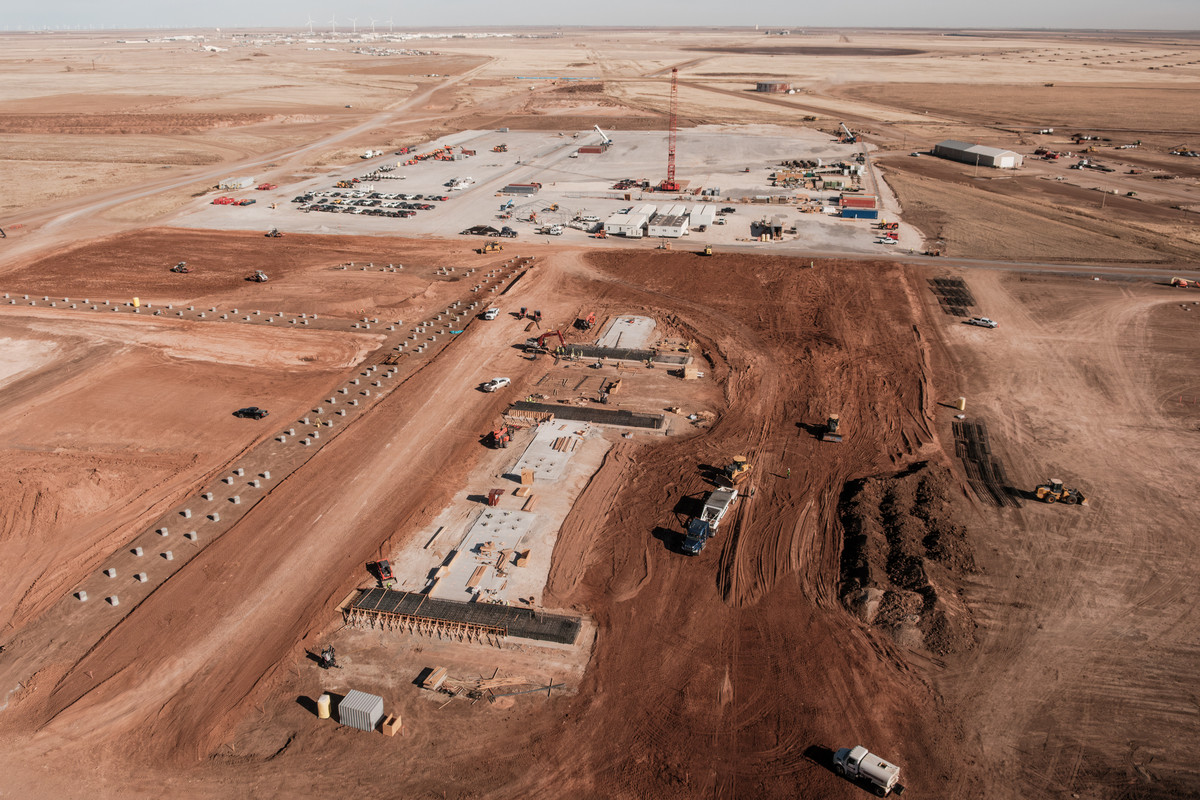
The proposed Fermi America complex aims to be one of the largest clusters of AI data centers in the United States, powered by its own private energy grid. Its scale places it at the intersection of booming demand for computing power and the logistical challenges of building such facilities.
The project’s financing is closely linked to broader Trump administration policy. It is part of efforts to secure foreign direct investment tied to a trade deal with South Korea, alongside the president’s global tariff strategy. This places the Texas data center campus squarely within geopolitical and economic negotiations.
The confrontation suggests that behind-the-scenes negotiations to move the project forward have encountered significant obstacles. While Neugebauer asserts his site is the only “actionable” one with Korean partners ready to break ground this year, the exchange with the Commerce Secretary indicates a disconnect with the administration’s timeline or priorities.
As the demand for data processing capacity surges, the outcome of this dispute will signal how effectively the U.S. can mobilize private capital and foreign investment to build the next generation of critical digital infrastructure.