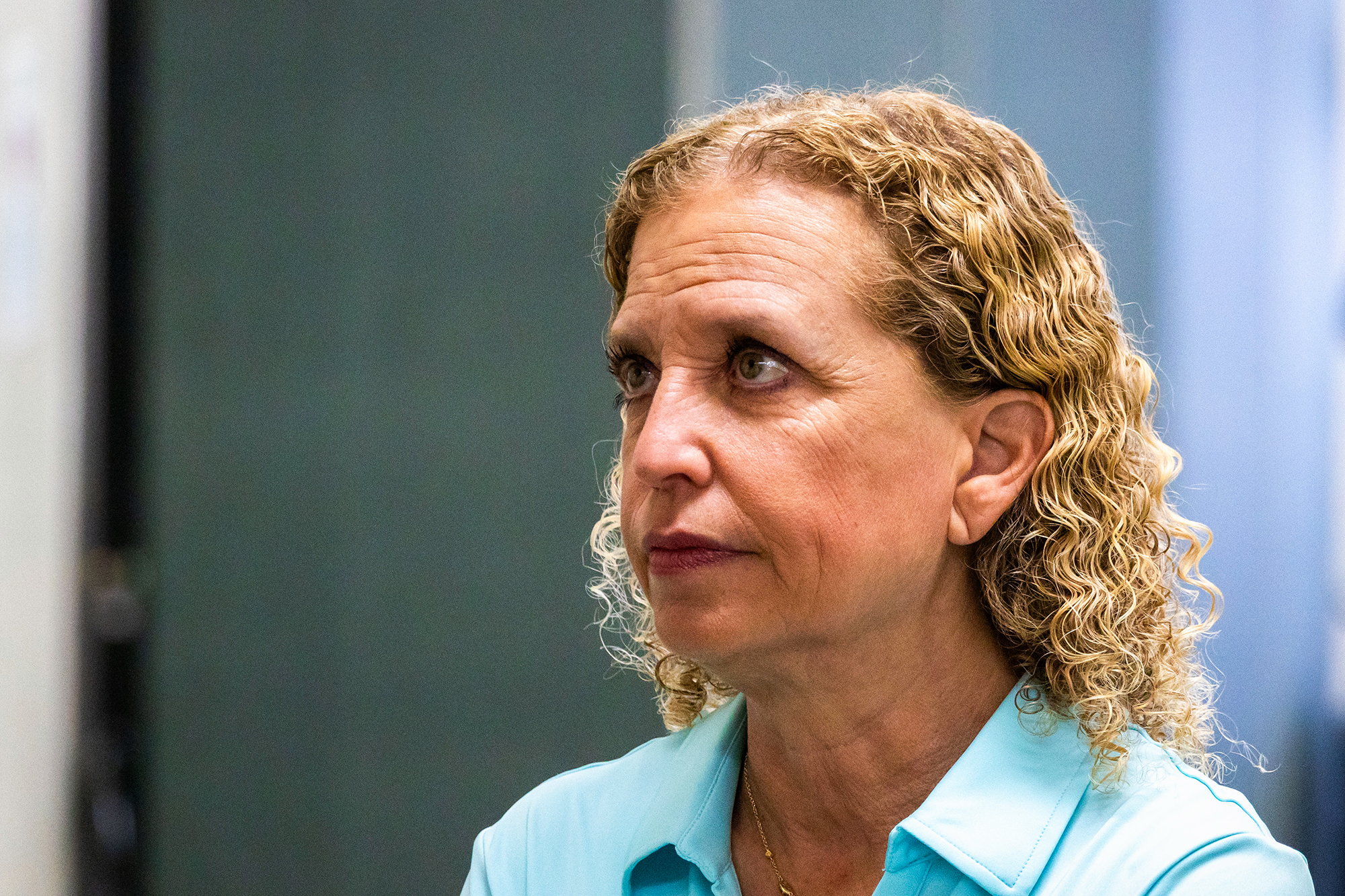
The subject is Rep. Sheila Cherfilus-McCormick, a third-term Florida Democrat who faces federal criminal charges in her home state for allegedly stealing millions in FEMA funds and committing campaign finance violations. The committee’s extraordinary proceeding will litigate these allegations and could recommend punishment as severe as expulsion from the House. Cherfilus-McCormick has maintained her innocence, stating the full facts will exonerate her.
The trial presents a stark test for House Democratic leaders, who must choose between defending an embattled colleague and insulating the party from damaging accusations of hypocrisy. Minority Leader Hakeem Jeffries has said Cherfilus-McCormick is entitled to a presumption of innocence, a stance echoed by other senior Democrats who say they will not prejudge the Ethics Committee's findings.
That cautious approach, however, collides with recent political history. Democrats aggressively pushed for the expulsion of Republican Rep. George Santos in 2023 following a damning Ethics report on his fraud. Now, some within the party warn that failing to hold their own members to the same standard would be politically catastrophic. "You lose your credibility if you’re applying a different set of laws and a different standard to people of the other party," said Rep. Stephen Lynch, a Massachusetts Democrat.
Other Democrats acknowledge a broader crisis of public trust that both parties must confront. Rep. Becca Balint of Vermont noted that neither party is trusted by the public to fight corruption, a sentiment she hears directly from constituents. The Cherfilus-McCormick case, she suggested, is a chance to demonstrate accountability.
A Pattern of Leniency
The warnings from Lynch and Balint come as Democratic leaders have recently declined to punish several of their own members facing allegations. The party restored Rep. Henry Cuellar of Texas to a powerful appropriations subcommittee post after he received a presidential pardon related to bribery allegations, allegations for which he had previously taken a leave of absence.
Most in the caucus also avoided confronting allegations against other retiring members. This pattern of leniency toward sitting Democrats now sharpens the dilemma presented by the Cherfilus-McCormick trial, where the evidence will be aired in a uniquely public forum.
The committee’s ultimate findings will force a decision. As Rep. Lynch put it, if the conclusions show laws were broken beyond doubt, their colleague will have to face the consequences. The coming weeks will reveal whether Democrats are willing to apply that principle equally, or if the standard for accountability shifts with the party affiliation of the accused.