28, Israeli officials allowed themselves to believe the alliance was entering a golden age. Four months later, they are bracing for a future where Israel stands more alone than ever.
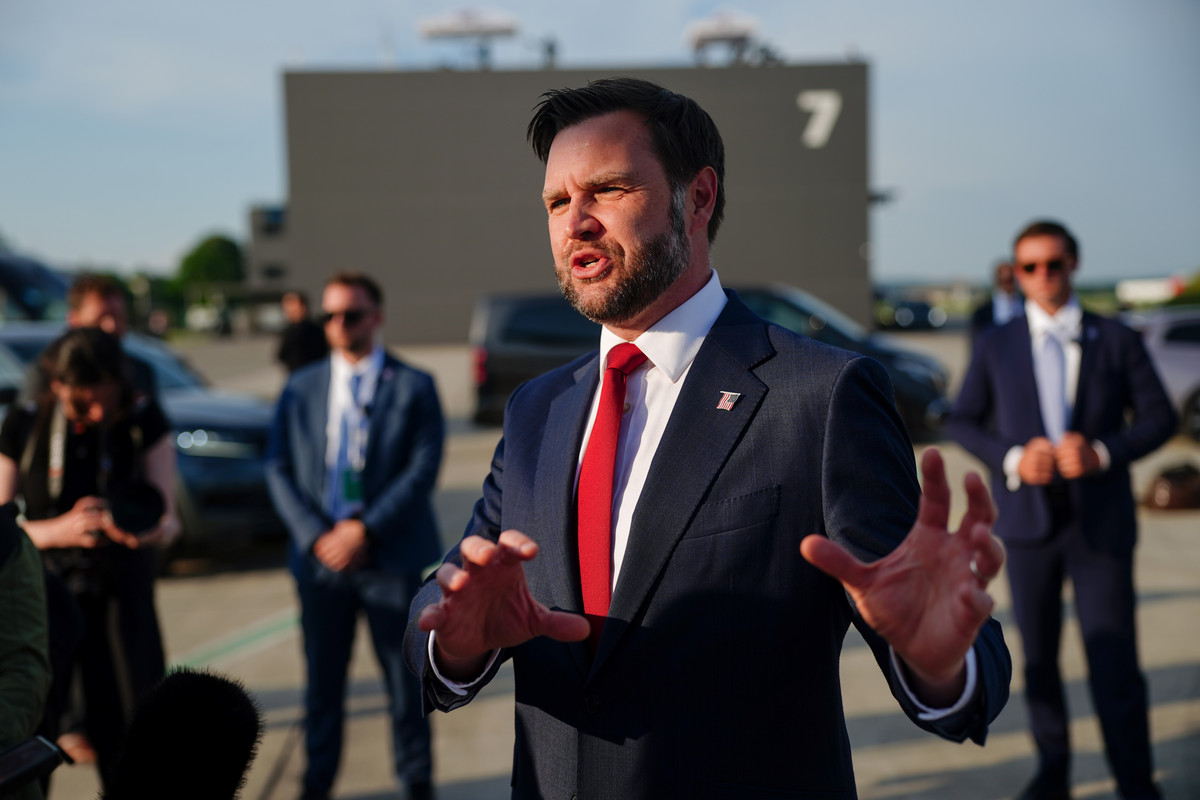
Vice President JD Vance set the stage last week, telling Israel it has almost no friends left in the world and that it should think hard before turning on the one it has. But the problem for Israel is much bigger than Vance, according to seven people, including U.S. and Israeli officials and others familiar with the relationship. Instead, they say, Vance is only the face of the new normal, in which Israel’s status as an American ally no longer stands above all others.
Israel had expected when President Donald Trump came into office that his America First foreign policy would include “an exception” for Israel, said an Israeli political adviser. “That was never going to hold. We were never going to be able to stay for four years as an exception to everything else America does in its foreign policy,” the adviser said. “When the clash came, Israel was naive to think that we would be able to be exempt from those expectations.”
The chill between the sides is evident. In 2025, Israeli Prime Minister Benjamin Netanyahu visited Washington five times. He has visited once this year in February but there are no dates on the calendar for another White House visit, and phone calls have tapered off considerably, according to a person familiar with interactions between the two governments. “I don’t think we’ve reached the worst place possible,” the person said. “There’s more to come.”
The shift reflects a broader recalibration inside the Trump administration. Officials who once viewed Israel as a unique strategic partner now apply the same transactional lens used for other allies, demanding concessions and questioning long-standing assumptions about shared interests. Israeli officials, accustomed to bipartisan deference in Washington, have been caught off guard by the speed of the change.
“The president and the vice president are on the same page: Israel has always been a great ally to the United States, and there has been no greater friend to Israel and a fighter for peace than President Trump,” a White House official said, pushing back on the notion of a rift. But behind closed doors, the tone has shifted, with American officials pressing Israel harder on issues ranging from settlement expansion to military operations in Gaza.
For Israeli leaders, the emerging dynamic presents a strategic dilemma. The country’s security establishment has long relied on the United States as a diplomatic shield at the United Nations and a supplier of advanced weaponry. If that relationship becomes conditional, Israel may need to accelerate its pursuit of alternative partnerships in Europe and Asia, a move that carries its own risks and uncertainties.
Both people granted anonymity to speak candidly about sensitivities in the relationship. “We were naive to think that we would be able to be exempt from those expectations,” the Israeli political adviser said. As the administration’s America First doctrine hardens, the question now is whether the alliance can survive without the exception that once defined it.