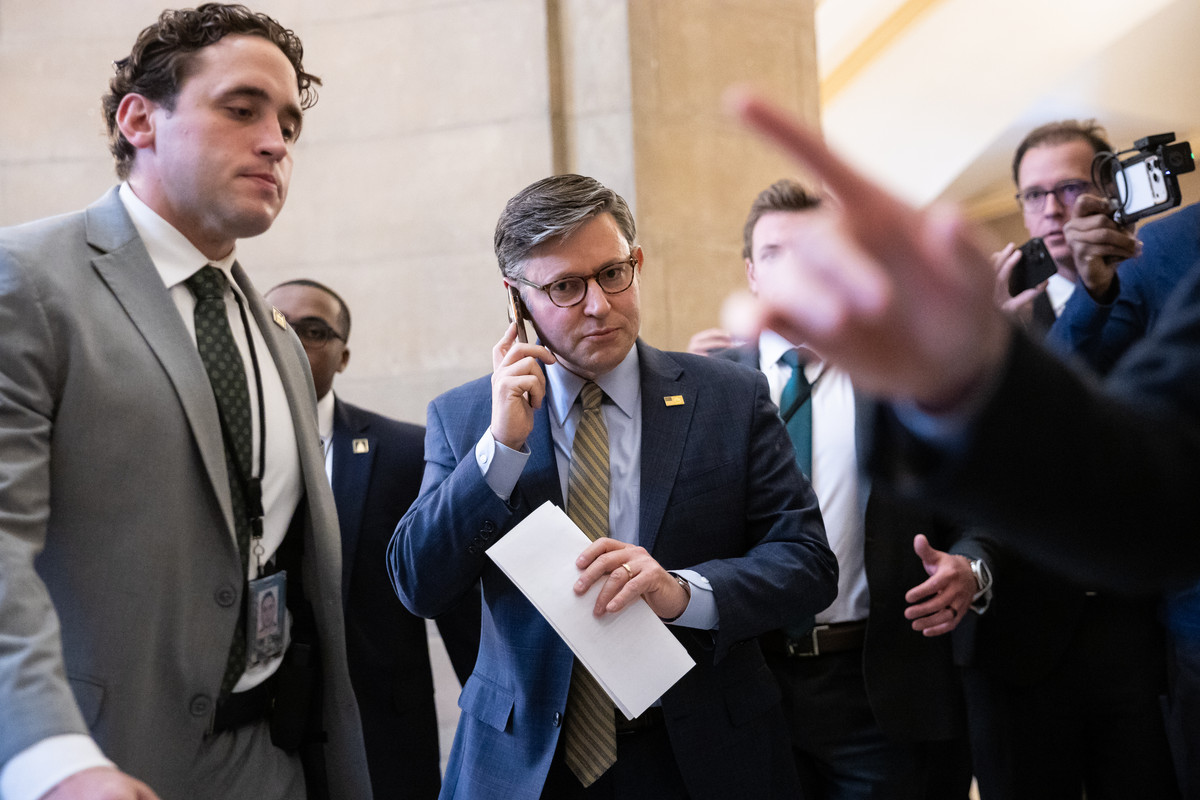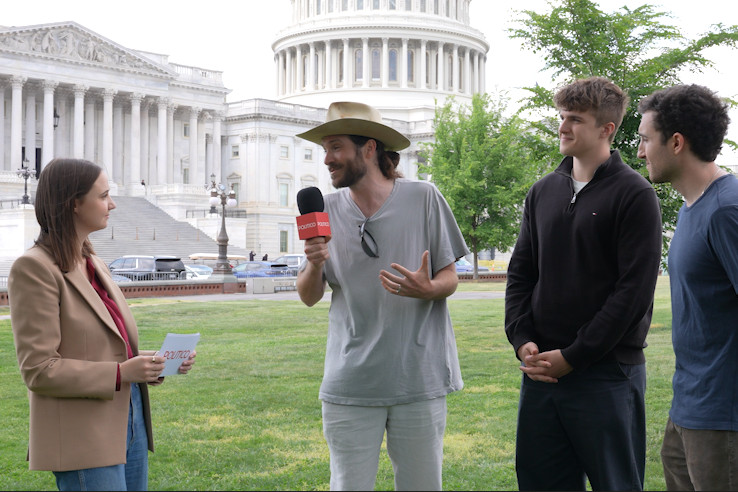
Capitol, three men in their twenties stood before a camera and asked Defense Secretary Pete Hegseth what it felt like, in his mind and body, to drop bombs. The exchange, which ricocheted across social media within hours, marked the arrival of a new and deliberately destabilizing force in Washington journalism: TMZ DC.
The bureau, which opened last week with a staff of three, has already upended the unwritten rules of political coverage. Its correspondents Jacob Wasserman, Charlie Cotton and Jakson Buhaj have peppered lawmakers with questions about whether they know what Grindr is and have posted videos that blur the line between reporting and provocation. The approach has earned them a mix of bemusement and alarm inside the Beltway.
Cotton, a 13-year TMZ veteran who started as a tour guide on the company’s Hollywood celebrity bus, said the team’s energy is born of genuine fascination. “We’re discovering D.C.,” he said. “Everything feels new and exciting, and look where we are. We’re talking to you right now outside the Capitol. It’s crazy. I think that sort of energy of just excitement around politics and politicians is something that this place hasn’t had for a long time, maybe, if ever.”
Wasserman, who covered the Sean Combs criminal trial and multiple campaign cycles for TMZ before the D.C. posting, acknowledged that some of the team’s online antics have been misunderstood. After posting a video asking a deli worker about the best bagel spot in town and tagging it as a major political scoop, he faced a wave of criticism. “That was a total joke,” he said. “I was trying to be a little tongue-in-cheek. I’m learning that that doesn’t necessarily land always on Twitter.”
The bureau’s hiring pipeline is as unconventional as its editorial sensibility. Buhaj was recruited by TMZ founder Harvey Levin while working at an ice cream shop and told to skip college. “He was like, ‘Don’t go to school, come here,’” Buhaj recalled. “And I just found myself on Capitol Hill with these guys. So it’s been quite an adventure.” Cotton, a native of Canberra, Australia, joined the company without any journalism credentials and worked his way up from tour guide to camera operator to reporter.
An Unfiltered Lens on Power
The trio described their editorial mission in deliberately broad terms. A major story, Buhaj said, could be “a bill that’s being passed” or, just as easily, “who’s clogging the toilets in Congress.” Cotton argued that their unfiltered approach serves a democratic purpose. “If we want informed voters, if we want people to know more, we want greater transparency,” he said. “I think it’s a good thing we’re here.”
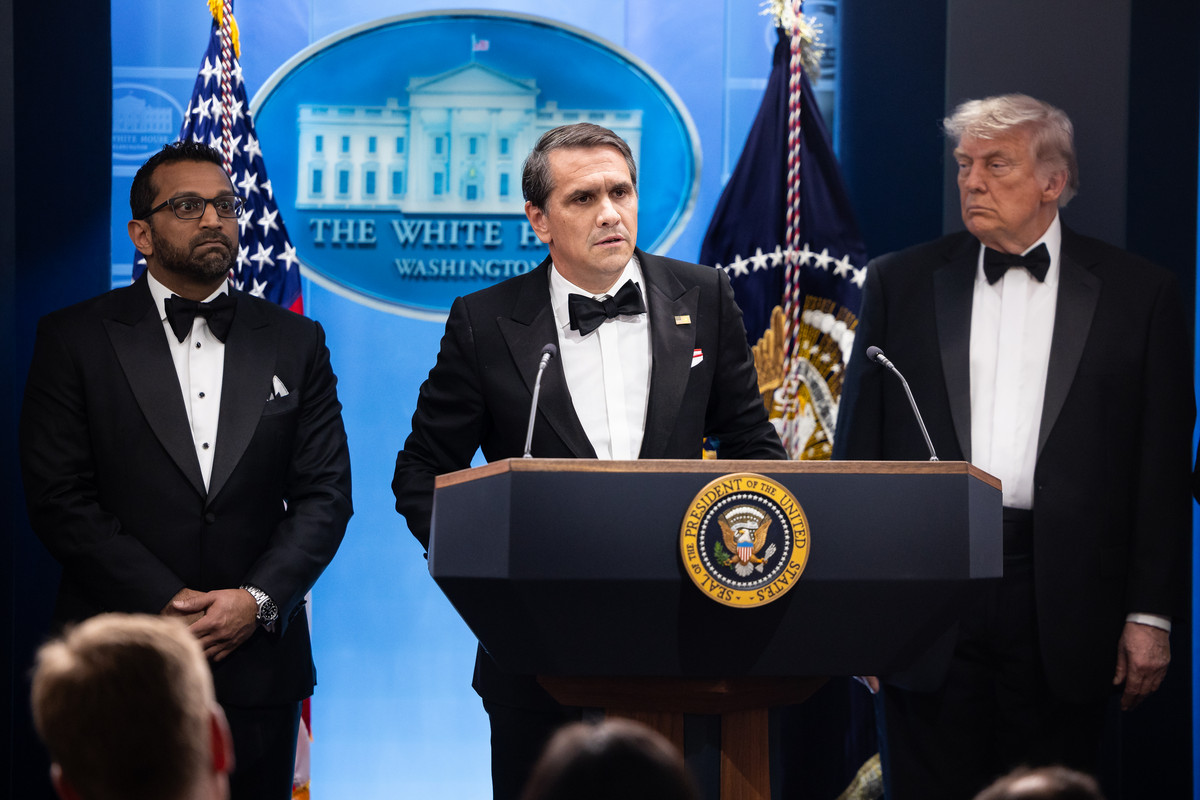
Critics within the White House press corps have questioned whether the TMZ team’s tactics trivialize serious policy debates. But the bureau’s rapid rise in profile, helped by a steady stream of viral clips and a prominent perch during White House Correspondents’ Dinner weekend, suggests a hunger among audiences for coverage that breaks the capital’s carefully managed script. Whether that hunger is for substance or spectacle remains an open question.
For now, the three correspondents appear to be learning on the job. Wasserman, who had never used Twitter seriously before moving to Washington, said he is still calibrating his tone. Cotton, standing on the Capitol steps, seemed unfazed by the scrutiny. “We want to talk to people who maybe someone from middle America has no idea who it is,” he said. “But because they’ve seen a few of our interactions, they know this is going to be interesting.”