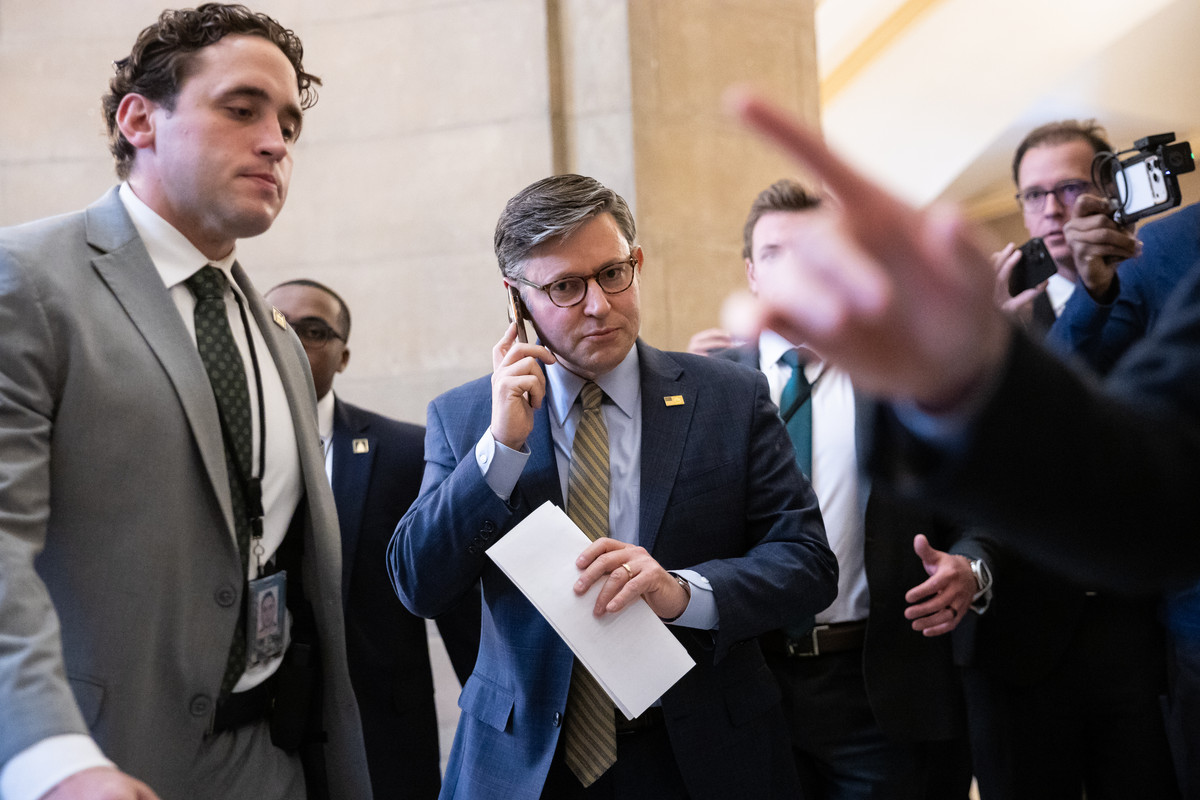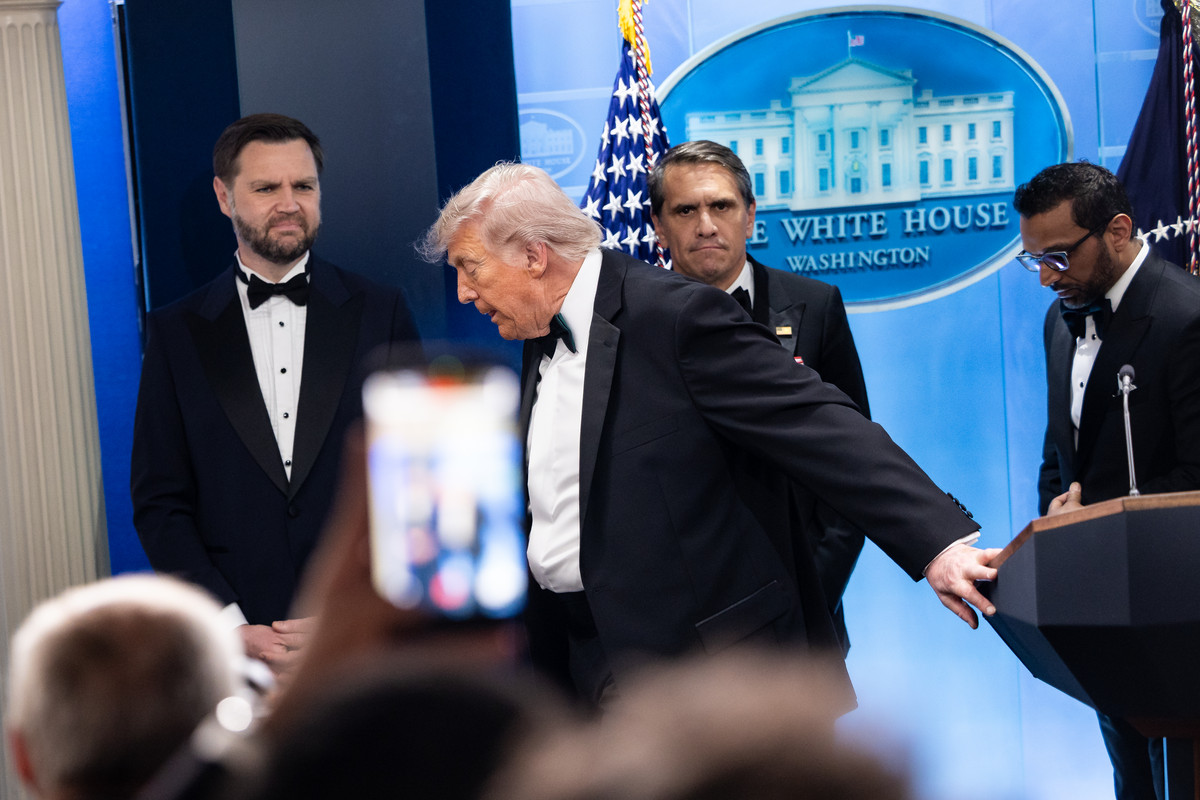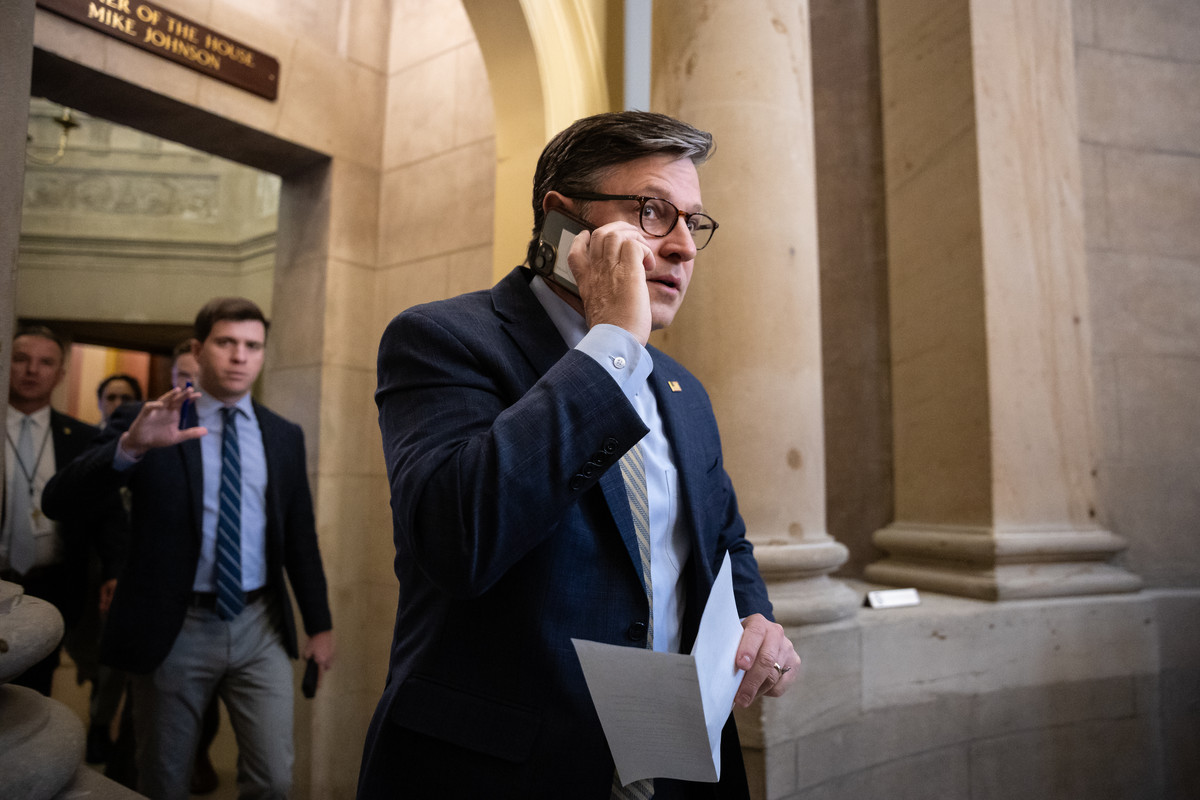
Instead, he spent much of that week fielding questions about a jarring scene at the White House Correspondents’ Association dinner, where a protester disrupted the proceedings in a manner that drew sharp condemnation from both sides of the aisle.
The incident, which occurred during the annual gala, quickly overshadowed the Speaker’s scheduled push on key bills. The protest, which involved a disruption directed at the podium, forced a pause in the evening’s program and became the dominant topic of conversation in Washington the following morning. Johnson, who was in attendance, was compelled to address the breach of decorum, a distraction from the legislative heavy lifting he had planned.
The Speaker’s agenda for the week had included advancing a series of measures central to the House Republican majority’s platform. These priorities ranged from border security legislation to a renewed push on fiscal policy, all of which required careful management of a slim majority. The protest, however, shifted the media’s focus and internal party dynamics, forcing leadership to recalibrate their messaging strategy.
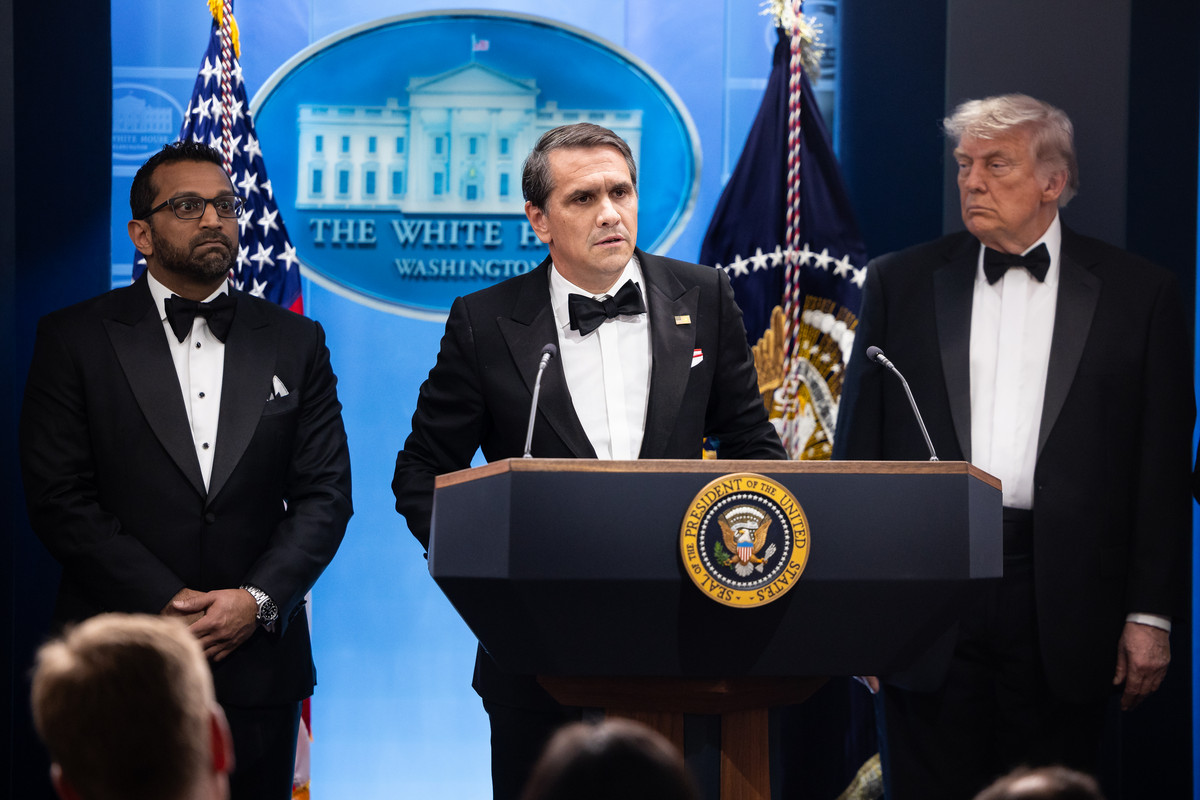
White House Press Secretary Karoline Leavitt issued a statement condemning the disruption, calling it a “disgraceful act” that disrespected the institution of the free press. The swift and forceful response from the administration underscored the sensitivity of the event, which is traditionally a night of bipartisan camaraderie and celebration of journalism. The White House’s statement sought to draw a clear line between legitimate protest and what it deemed an unacceptable security breach.
On Capitol Hill, the fallout was immediate. Several House members, including committee chairs, were asked to weigh in on the security protocols at the dinner and the broader implications for public discourse. Johnson was forced to navigate a delicate balance, defending the event’s importance while acknowledging the seriousness of the security lapse. The episode threatened to consume the oxygen needed for his legislative push.
The disruption also injected an unexpected element of tension into the already fraught relationship between the press corps and the political establishment. The dinner, meant to be a respite from the partisan battles of the day, became a flashpoint. Critics of the protest argued it undermined the very principles of a free press that the event was designed to celebrate, while others questioned the adequacy of security measures at high-profile political gatherings.
As the week progressed, Johnson worked to steer the conversation back to his legislative agenda, but the shadow of the dinner lingered. The incident served as a stark reminder of how quickly a carefully managed political calendar can be upended by a single, unscripted event. For the Speaker, the challenge now is to regain momentum and refocus his caucus on the policy battles ahead, a task made more difficult by the lingering questions surrounding the protest.