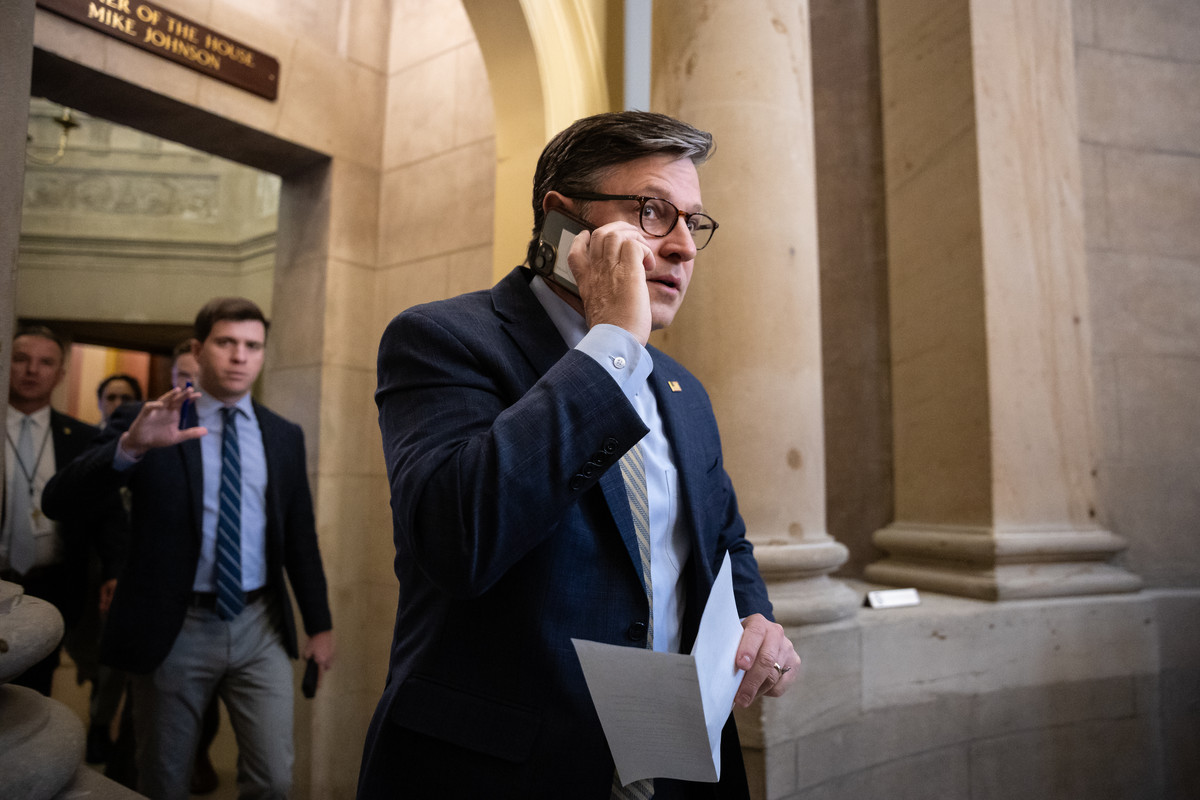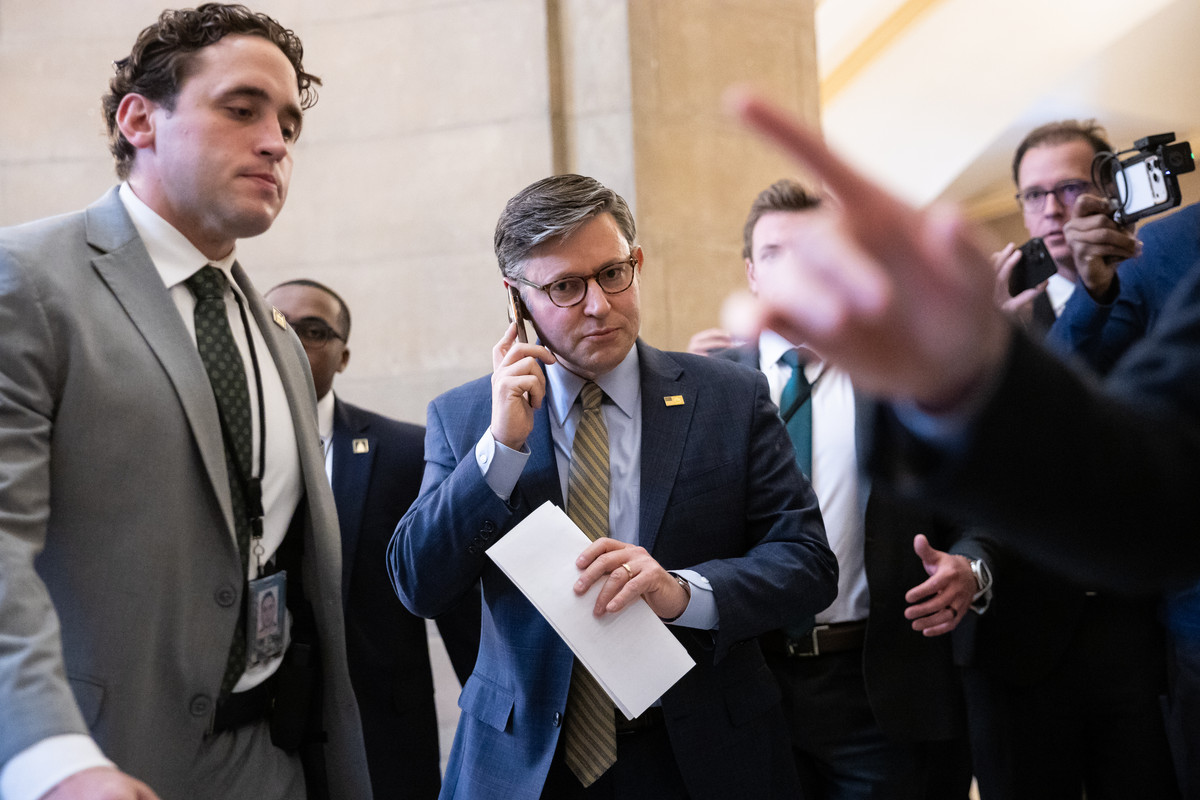
The spy tool, which allows the government to collect foreign communications without a warrant, has become a flashpoint between Republican leaders and a bloc of conservative hard-liners who want stricter privacy protections for Americans swept up in the surveillance.
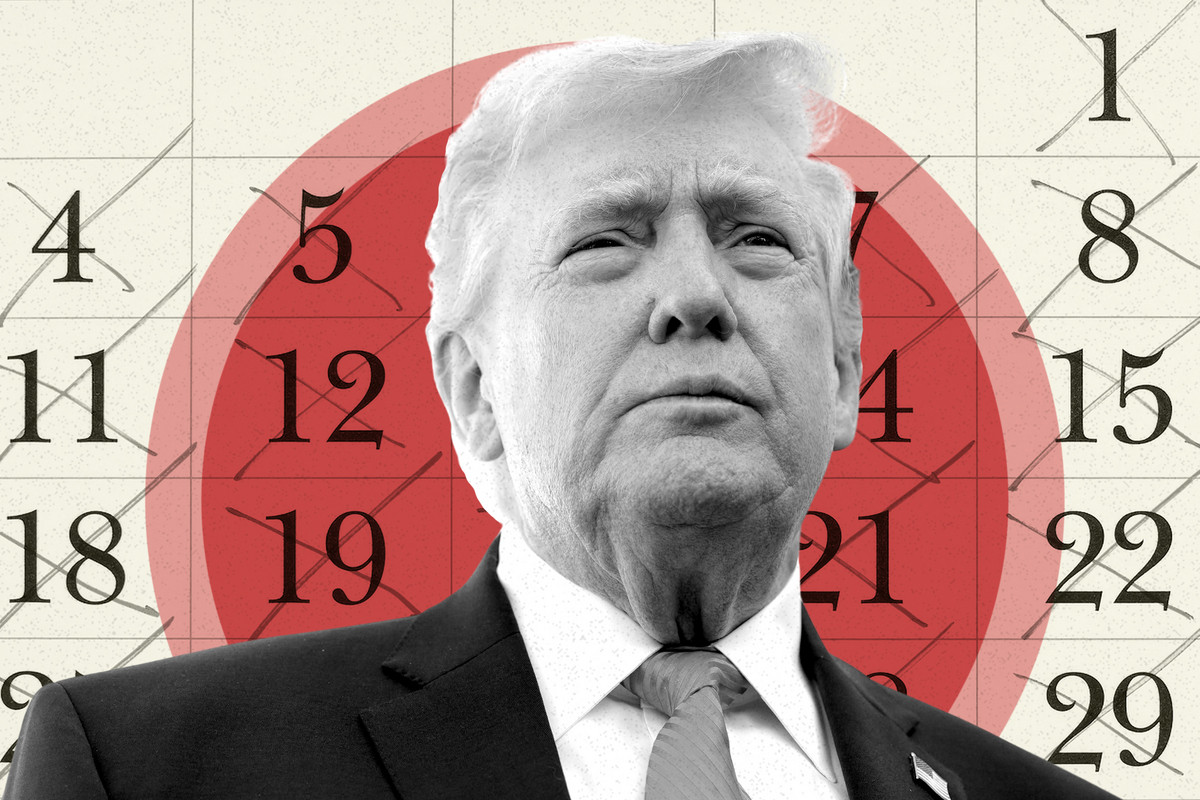
The next five weeks could prove pivotal for President Donald Trump and Republicans on Capitol Hill, who face a series of deadlines that could shape the party’s fortunes through the midterms. Some involve national security, others domestic politics, but what they share is that they are largely out of the president’s direct control. The Section 702 debate is only the first of several make-or-break moments confronting the GOP majority.
Trump has demanded a clean extension of the surveillance law, despite well-documented skepticism within his own party. The proposed reauthorization unveiled Thursday by House GOP leaders includes minimal new oversight and penalties for abuse but stops short of the warrant requirements sought by the party’s ultra-conservative wing. The faction that has been blocking an extension has not yet signed off on the latest plan, and leaders plan to continue negotiations through the weekend.
Even if the House can pass this version next week, there is no guarantee it will clear procedural hurdles in the Senate before the deadline. The standoff underscores the broader challenge facing Johnson, who must navigate competing factions while keeping the chamber operational. The speaker has little margin for error with his narrow majority, and any defections could derail the timeline entirely.
Border Funding and Government Shutdown Loom
Meanwhile, Homeland Security Secretary Markwayne Mullin said this week that his department will run out of money to pay employees’ salaries the first week of May, as lawmakers race to end a two-month funding impasse. The border agency has been operating under a continuing resolution that has strained resources, and a failure to pass a new appropriations bill could force a partial government shutdown just as the administration pushes for stricter immigration enforcement.
The twin deadlines on surveillance and border funding come as Republicans also face a self-imposed timeline to advance their legislative agenda before the August recess. Party leaders have signaled they intend to use the next five weeks to build momentum heading into the midterm campaign season, but internal divisions on both policy and strategy have complicated those plans. With the House calendar already compressed, any delay on one issue could cascade into the others.
For Trump, the stakes are both political and practical. A failure to extend Section 702 could be cast by critics as a blow to national security, while a government shutdown over border funding would dominate headlines and distract from the administration’s broader message. The coming weeks will test whether the president’s influence over his party can translate into legislative results when the margins are razor thin and the clock is ticking.