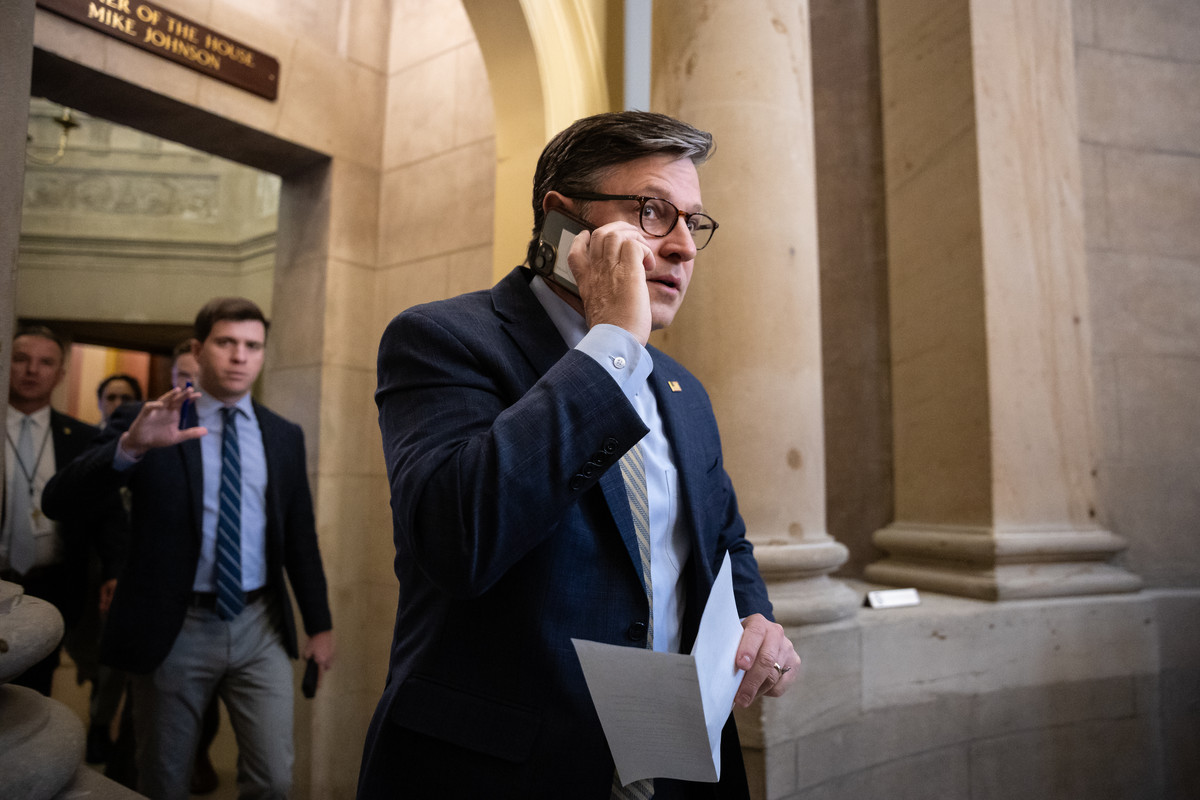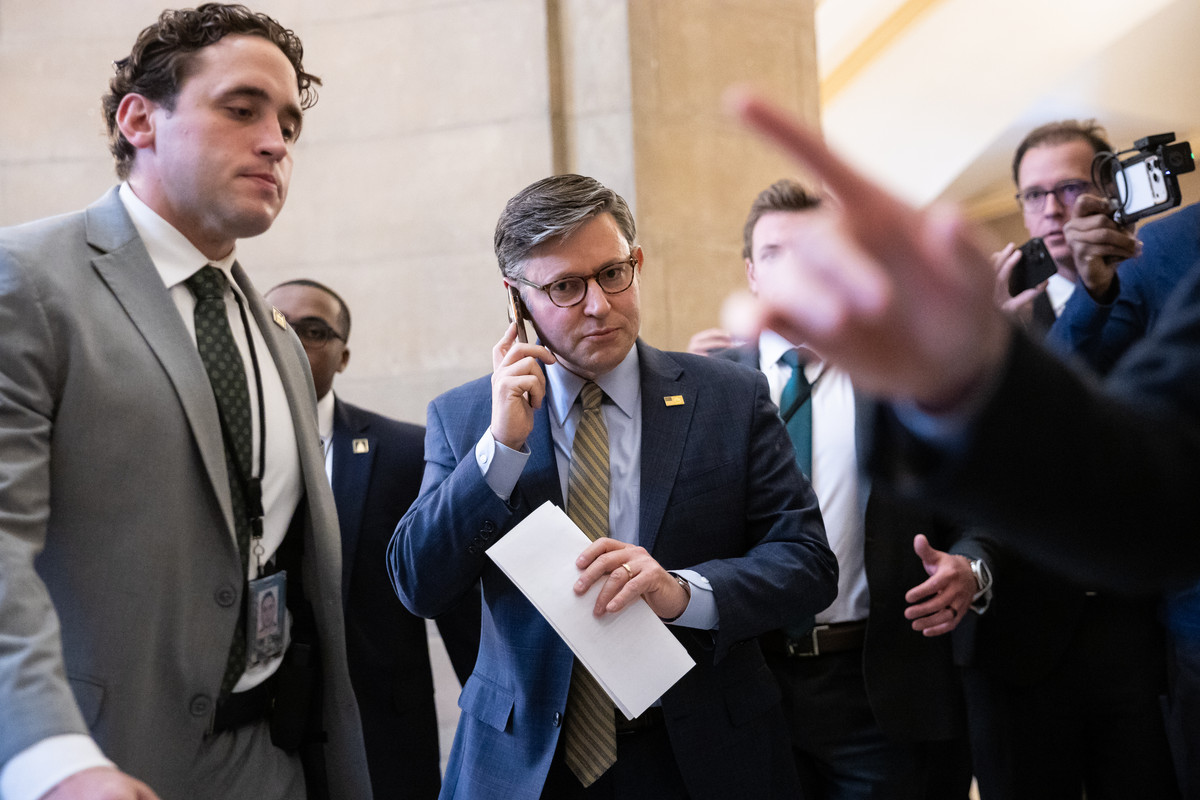
If the landmark cryptocurrency bill moving through the Senate does not include language restricting how executive branch officials use digital assets, he said flatly, he would vote against it. The demand, echoed by Democrats, has turned a technical piece of financial legislation into a raw political standoff over the Trump family’s multibillion-dollar crypto empire.
The clash comes just months before the midterm elections, with Democrats holding out for an ethics provision that would crack down on the president’s most lucrative business ventures. Republicans, who control both chambers of Congress, need Democratic votes to advance the bill and deliver on a Trump campaign promise to pass sweeping crypto legislation. That need has handed the minority party a powerful point of leverage over one of the president’s marquee financial policy priorities.
“There is no final bill — there is no final movement — unless there is a bipartisan agreement when it comes to the ethics provision,” said Senator Ruben Gallego, an Arizona Democrat who has been involved in the negotiations. The Trump family’s crypto businesses, which include the project World Liberty Financial, account for more than $1 billion of their wealth. Democratic lawmakers say Republican-led efforts to enact a light-touch regulatory regime on digital assets will directly enrich the first family.
The White House has consistently said the president does not have any conflicts of interest, and Senate Republicans have largely defended him from attacks on his family’s businesses. But behind the scenes, both parties are trying to reach a deal. Republicans know that if they lose either chamber of Congress in November, the push to pass a bill splitting oversight of crypto trading between Wall Street regulators would face long odds.
Tillis, a senior member of the Senate Banking Committee who has been an obstacle to other White House efforts on Capitol Hill, said the ethics language is a nonnegotiable condition for his support. “There has to be ethics language in the bill before it leaves the Senate, or I’ll go from one of the people working on negotiating it to voting against it,” he said in an interview.
Talks Advance After Months of Stalemate
Lawmakers who have worked to land a bipartisan ethics agreement have struggled for months to make progress. But they now say that negotiations are moving forward as other parts of the bill begin to come together. Senator Adam Schiff, a California Democrat, said, “We’re making progress. We have been talking for a long time without making much progress, and now that other parts of the bill are starting to come together, we’re negotiating.”
The debate has given Democrats a rare opening to force the White House to accept restrictions on how executive branch officials use digital assets, a provision that would directly affect the president’s family. For Republicans, the calculus is increasingly urgent: deliver on a signature industry priority before the political window closes, or risk watching the bill die in a divided Congress next year.