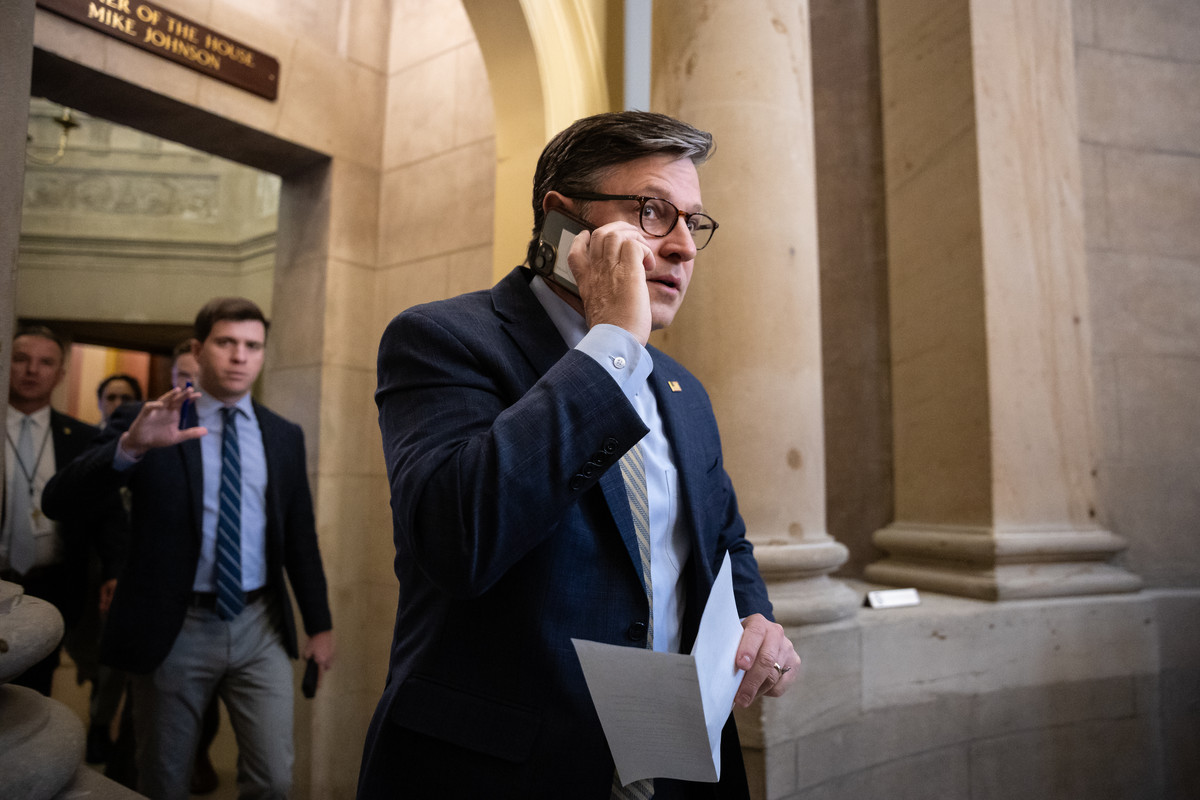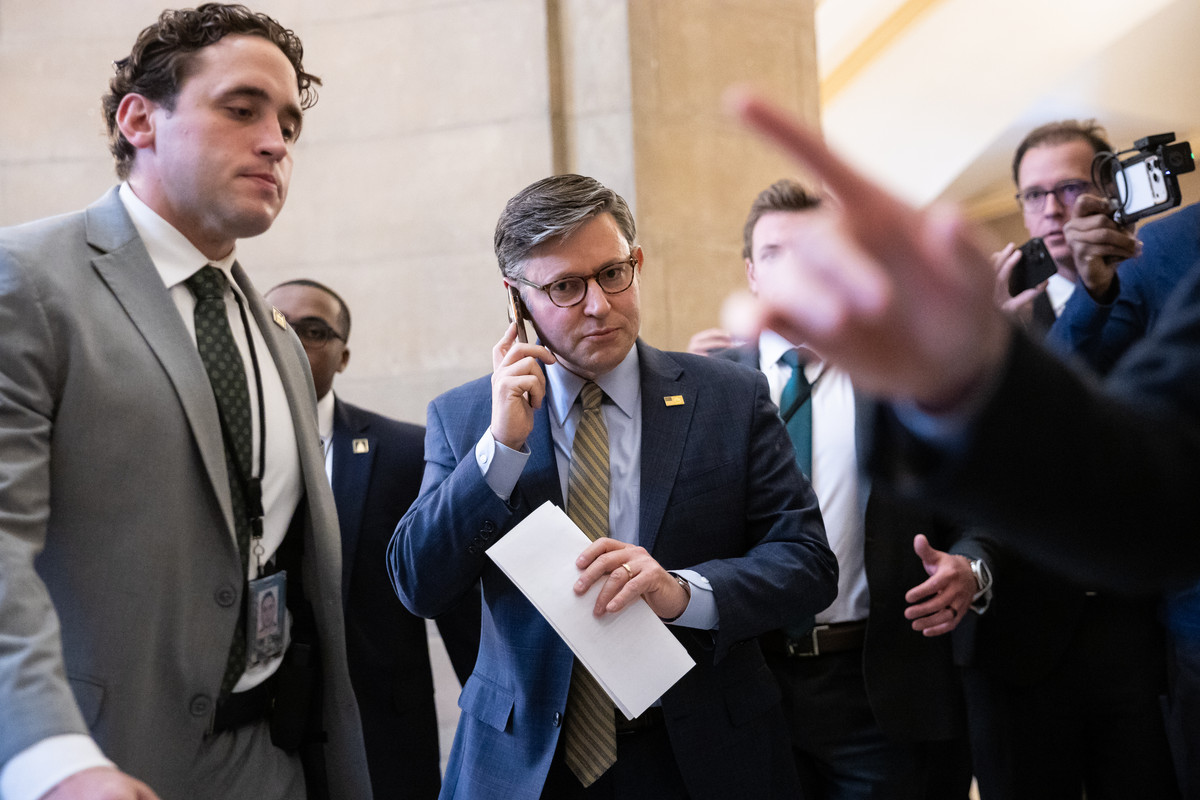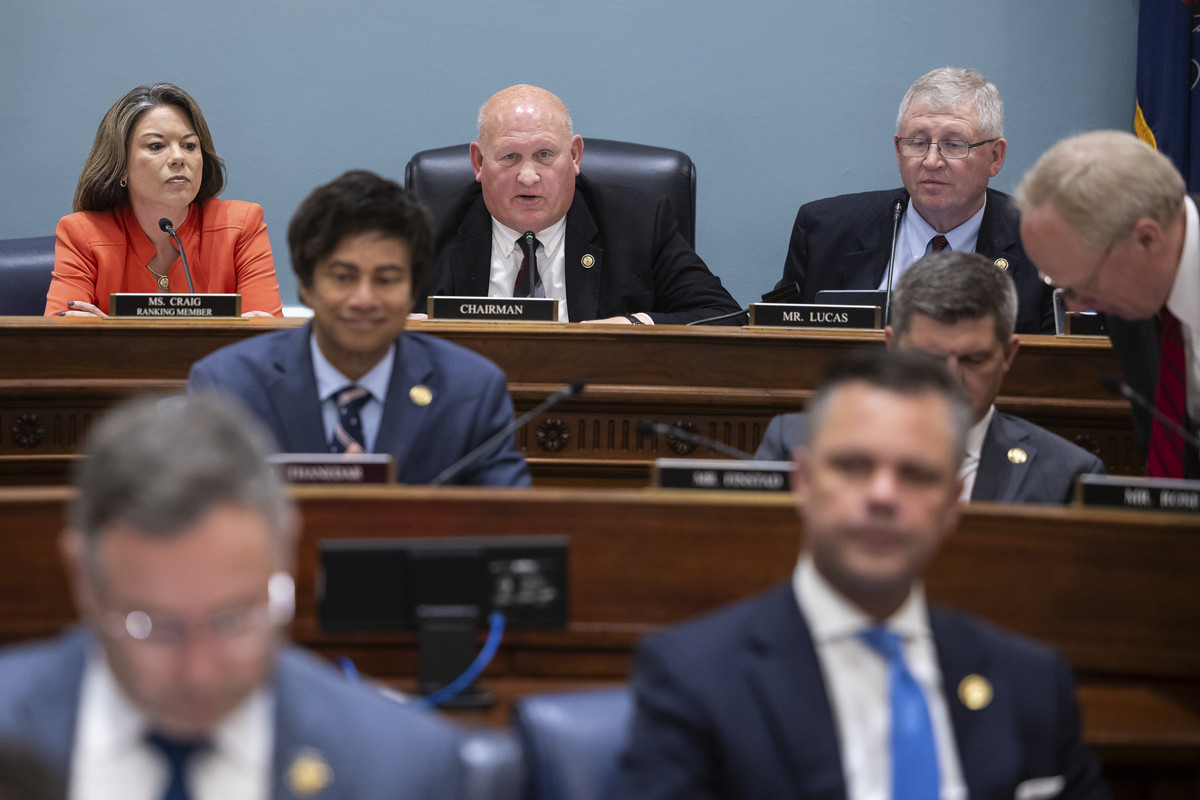
The long-stalled farm bill, which would secure billions of dollars in investments for the agriculture industry and rural communities, was expected to reach the floor this week. House Speaker Mike Johnson and President Donald Trump have both pushed for its swift passage, with Trump posting on social media to “PASS THE FARM BILL, NOW!” But the legislation now faces a revolt from within the Republican conference, driven by a coalition known as MAHA, or Make America Healthy Again, that feels betrayed by the party’s leadership.
At the heart of the conflict is a provision that would shield pesticide manufacturers from lawsuits, a top priority for agribusiness and farm-state Republicans. The Trump administration has also moved to protect access to glyphosate, a widely used chemical weed killer, after manufacturers warned of regulatory uncertainty. MAHA activists, who supported Trump in hopes he would crack down on chemical exposure they blame for rising rates of chronic illness, now view the provision as a direct betrayal of their agenda.
House Democrats are largely opposed to the farm bill because it does not reverse deep cuts to the Supplemental Nutrition Assistance Program, the country’s largest food aid program, enacted under last year’s Republican budget bill. That opposition means GOP leaders cannot rely on the traditional bipartisan support that farm bills have historically enjoyed. Instead, they must hold nearly every member of their own slim majority while also courting a handful of vulnerable or moderate Democrats.
Several Republicans who wield significant influence in Speaker Johnson’s narrow majority have threatened to tank the entire bill if the pesticide liability shield is not removed. Representative Luna has emerged as a leading voice among the dissenters, working across the aisle with a group of House Democrats who share her goal of stripping the language from the legislation. According to four people granted anonymity to discuss private talks, the MAHA-aligned activists have turned to these Democrats after feeling ignored by their own party’s leadership.
House Agriculture Committee Chair G.T. Thompson of Pennsylvania defended the provision during the bill’s markup, calling it “critical for securing access to the well-regulated” pesticides and herbicides that farmers depend on. He and other Republican leaders argue that the measure simply clarifies labeling rules and establishes national standards for agricultural chemicals, and they believe the bipartisan opposition is unlikely to succeed.
But the internal rebellion has exposed a deepening fault line within the Republican Party between the traditional agriculture sector and a newer, health-conscious activist base. The outcome of the farm bill fight could signal which constituency holds greater sway as the party prepares for the midterms, where rural voters will be essential to maintaining control of the House.