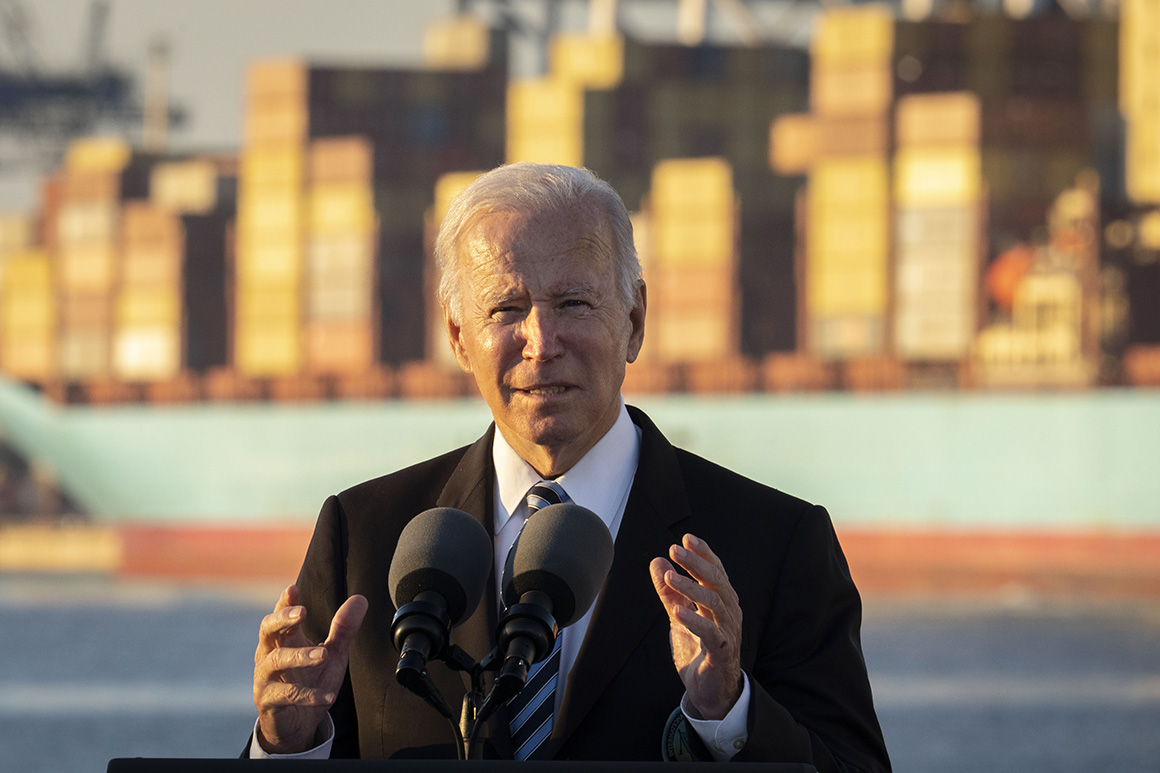
But the workers he greeted outside a union hall in Ohio did not want to talk about job creation. They wanted to talk about the price of eggs.
The disconnect between the data and the dinner table has become a defining political problem for the White House. Unemployment is at a historic low, wages are rising for the lowest earners, and manufacturing construction is booming. Yet consumer confidence remains stubbornly depressed, and major polls show that a majority of Americans believe the economy is in poor shape.
The pattern is a familiar one for Democratic presidents. Bill Clinton presided over a tech fueled boom in the 1990s, but it took years for voters to reward him at the ballot box. Barack Obama oversaw a steady recovery from the Great Recession, yet Democrats suffered severe midterm losses in 2010 while the unemployment rate was still above 9 percent.
Now Joe Biden faces the same conundrum. His approval rating on the economy has hovered in the low 30s for months, even as his administration points to a string of positive indicators. The White House has struggled to translate complex macroeconomic trends into a message that resonates with households still reeling from the highest inflation in four decades.
The Perception Gap
Economists describe the phenomenon as a perception gap, one that is amplified by the lingering trauma of the pandemic and the rapid rise in the cost of living. While inflation has cooled significantly from its peak in 2022, prices for groceries, rent and gasoline remain far above where they were when Biden took office. For many families, a strong labor market does not compensate for a thinner wallet at the checkout counter.
White House officials have tried a variety of rhetorical strategies, from declaring that “Bidenomics is working” to emphasizing targeted investments in infrastructure and clean energy. But focus groups conducted by Democratic polling firms have found that voters often dismiss such claims as out of touch. One participant in a recent session in Michigan said the president’s message reminded her of a doctor telling a patient with a broken leg that the x ray looked fine.
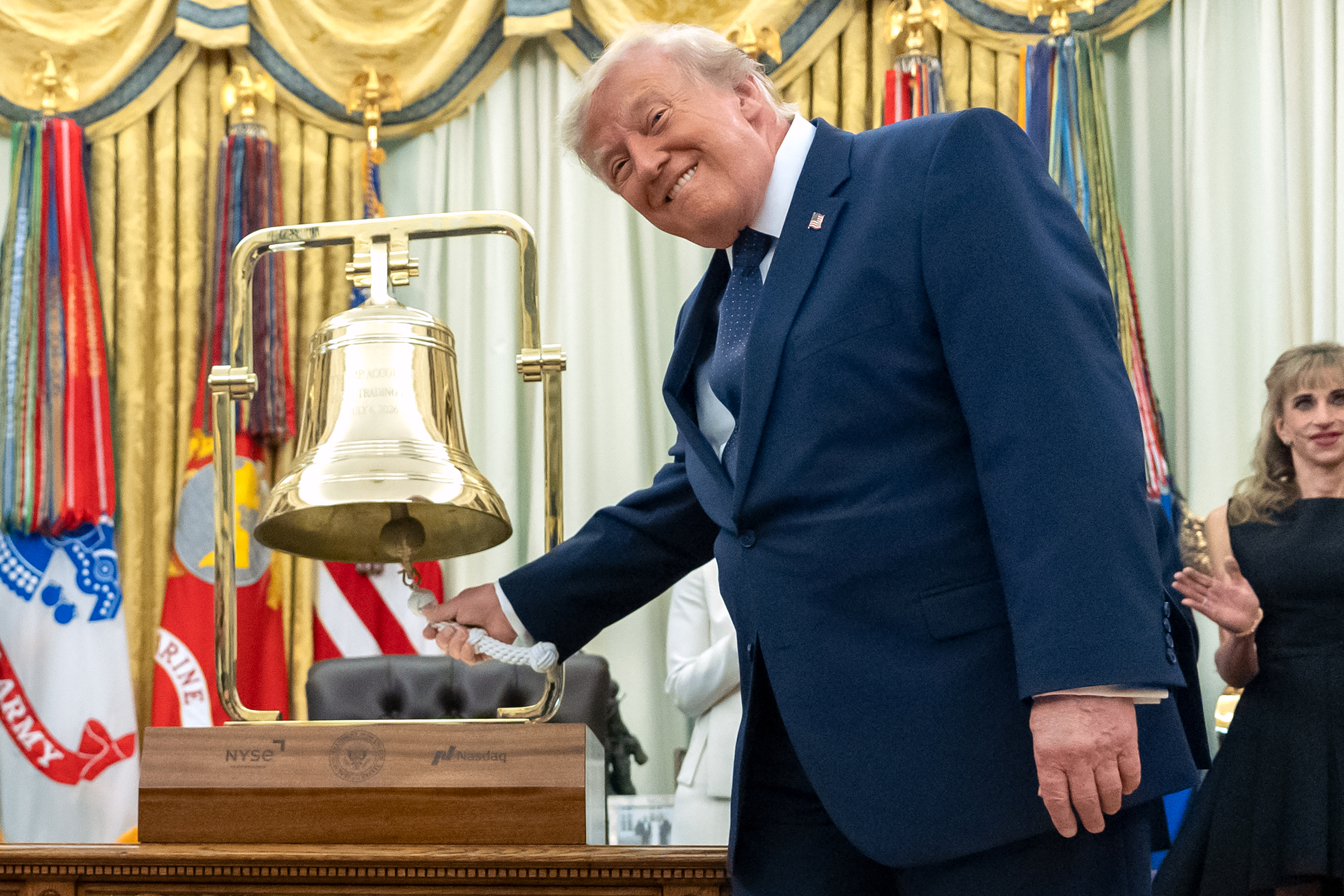
The challenge is compounded by a fragmented media environment. Positive economic news often gets buried in the algorithm, while viral videos of high prices or job loss complaints circulate widely. Republicans have seized on the mood, with Donald Trump and other leading candidates routinely citing the cost of eggs and gas as evidence of a failed presidency.
For Biden, the path forward may depend less on new policy and more on time. History suggests that voters eventually credit the incumbent for a strong economy, but only after the gains become undeniable in their daily lives. Whether that moment arrives before November 2024 remains an open question, one that will likely determine the outcome of the election.