After months of stalled negotiations and internal Democratic strife, two cornerstone pieces of his economic agenda — a bipartisan infrastructure bill and a sweeping social spending package — have suddenly moved within striking distance of the Oval Office. The shift in momentum has been abrupt enough to catch even seasoned White House aides off guard, forcing a recalibration of a presidency that had appeared to be running out of time.
The sudden progress is not the result of a single breakthrough but rather a convergence of weary pragmatism and political necessity. Key centrist holdouts, including Senators Joe Manchin of West Virginia and Kyrsten Sinema of Arizona, have signaled a new willingness to engage on the terms of the larger reconciliation bill. Simultaneously, House Speaker Nancy Pelosi has begun whipping votes on the bipartisan infrastructure measure, betting that a dual-track strategy can finally deliver a victory for a party desperate for a tangible win.
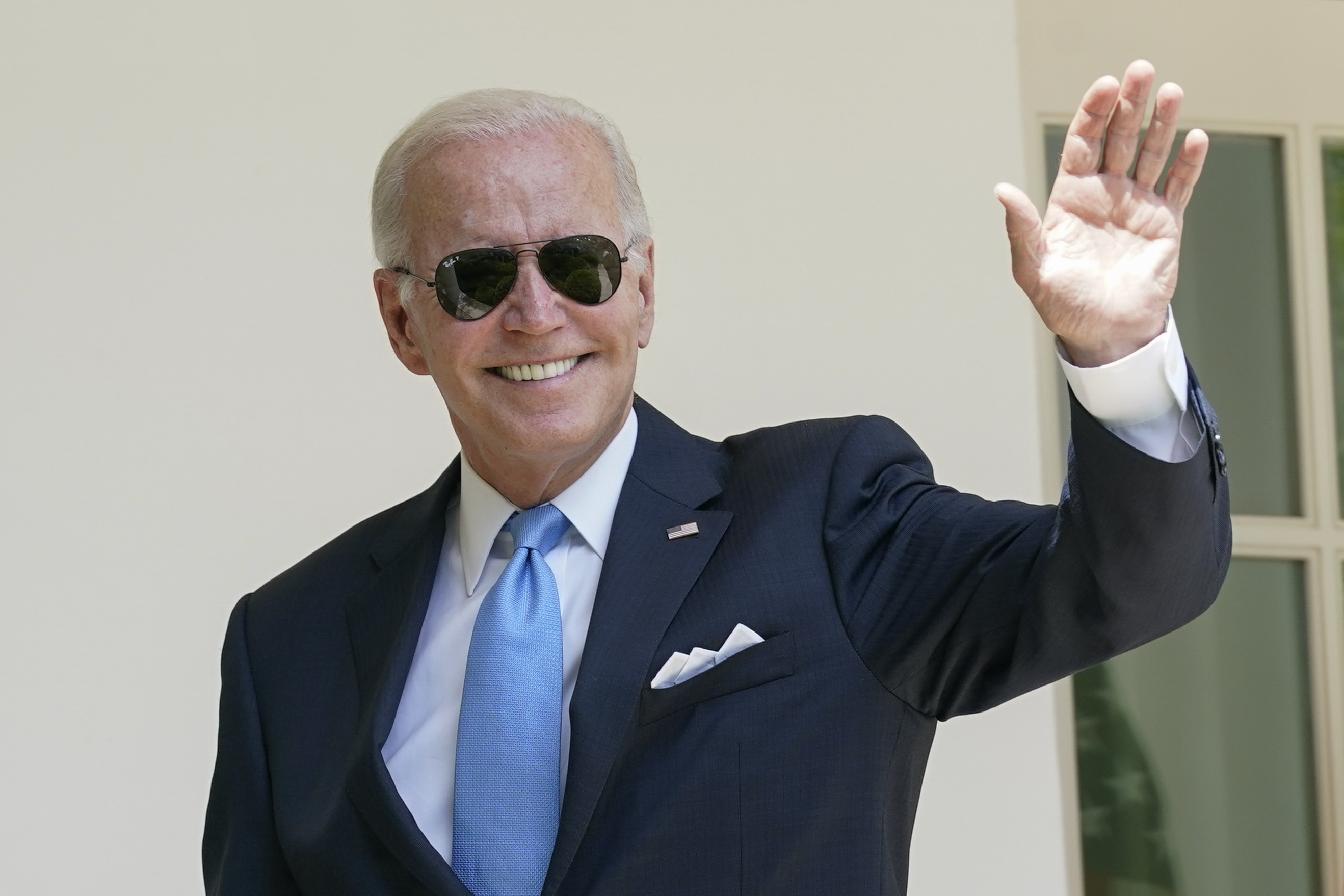
For Mr. Biden, who has seen his approval ratings sag under the weight of the chaotic withdrawal from Afghanistan and a persistent pandemic, the stakes could not be higher. The president has entered what aides describe as an “Always Be Closing” phase, personally calling lawmakers and deploying his top lieutenants to bridge the remaining gaps. The White House believes that passing both bills would fundamentally reshape the American social safety net and restore a sense of competence that has been in short supply.
Narrow Margins and a Shrinking Clock
The path forward, however, remains treacherous. The social spending package, which includes provisions for child care, climate change and expanded health care, is still being negotiated down from an initial $3.5 trillion price tag to something closer to $2 trillion. Every cut risks alienating a faction of the progressive caucus, which has vowed to reject the infrastructure bill unless the larger package passes first. The arithmetic in the Senate, where Democrats hold a razor-thin majority, leaves almost no room for error.
Economic analysts are watching the proceedings with a mix of hope and skepticism. A successful passage of both bills would inject hundreds of billions of dollars into the economy, potentially accelerating growth and addressing long-term structural issues like income inequality. Failure, by contrast, would be a devastating political blow, confirming the narrative that a divided Democratic Party cannot govern effectively and handing Republicans a powerful weapon heading into the 2022 midterm elections.
The coming days will test whether the president’s hands-on approach can overcome the entrenched ideological divisions within his own party. For now, the White House is operating with a new sense of urgency, aware that the window for action is narrowing. If Mr. Biden can close the deal, he will secure a legacy-defining achievement. If he cannot, the question of whether his first term was defined by ambition or paralysis may already be answered.