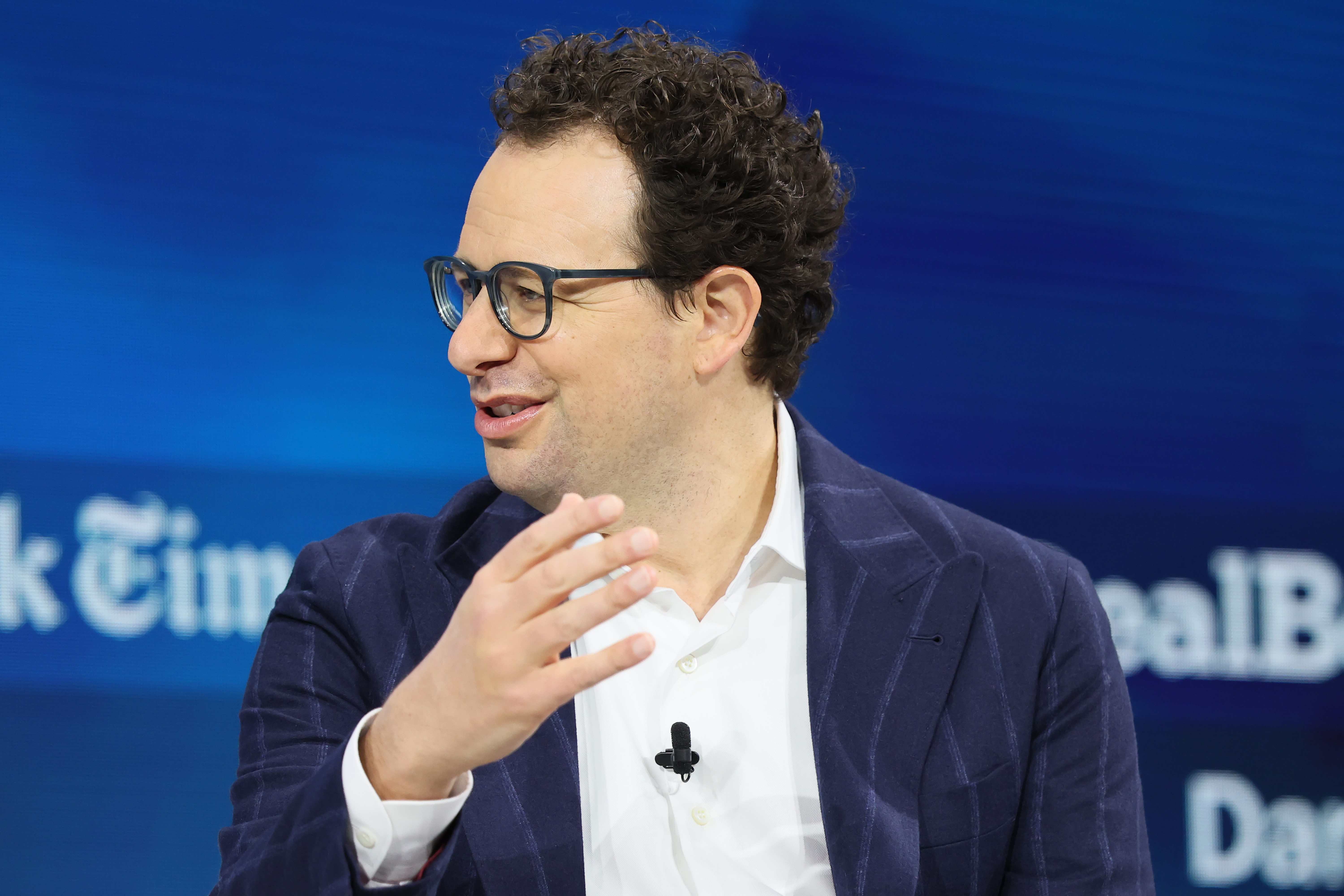
Dario Amodei, speaking at a technology conference in San Francisco, argued that a blanket ban on low cost “open weight” AI would stifle innovation and harm American competitiveness.
“Cheap AI is not the problem,” Amodei told the audience. “The problem is allowing adversarial nations to build and deploy these systems without oversight.” His remarks placed him at odds with leaders from Meta and Google, who have recently championed open weight models as a tool for democratizing access to advanced AI capabilities.
Open weight models, which allow developers to download and modify the underlying parameters of an AI system, have become a flashpoint in Washington. Some lawmakers have proposed restrictions on their release, citing national security risks. Amodei acknowledged those concerns but argued that a domestic ban would simply drive development overseas.
“If we choke off open models here, we hand the advantage to Beijing,” he said. “The smarter move is to keep our ecosystem open while building strong export controls and monitoring mechanisms for China.” The Anthropic CEO did not specify which models he considered too risky for unrestricted release, but he emphasized that the distinction should be based on capability, not cost.
Diverging from Silicon Valley Consensus
Amodei’s stance contrasts sharply with the unified praise for inexpensive AI from other U.S. tech leaders. Mark Zuckerberg has repeatedly called Meta’s Llama models a public good, while Sundar Pichai framed Google’s open weight Gemma series as essential for global innovation. Neither executive has publicly endorsed targeted restrictions on China as an alternative to domestic bans.
Anthropic, which develops the Claude family of AI models, has long positioned itself as a safety focused counterweight within the industry. The company has voluntarily shared safety evaluations with the U.S. government and advocated for mandatory testing of advanced systems. Amodei’s latest comments suggest he sees a middle path: preserving open access for American developers while tightening the screws on foreign adversaries.
The debate comes as the Biden administration weighs new executive actions on AI. Officials have signaled interest in both export controls and domestic licensing requirements, but have not yet settled on a framework for open weight models. Amodei’s proposal could influence that calculus, though it remains unclear whether other tech leaders will rally behind his targeted approach.