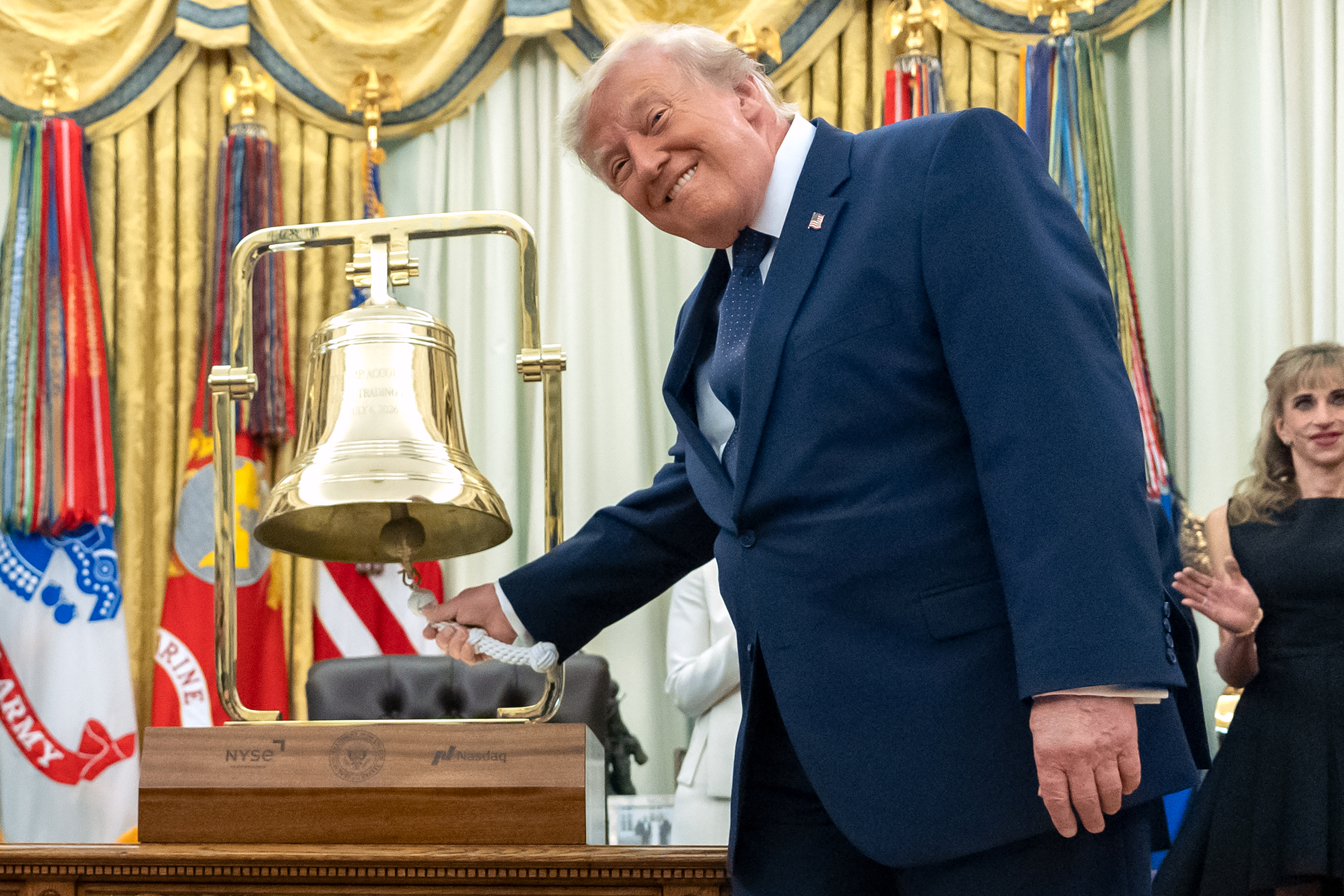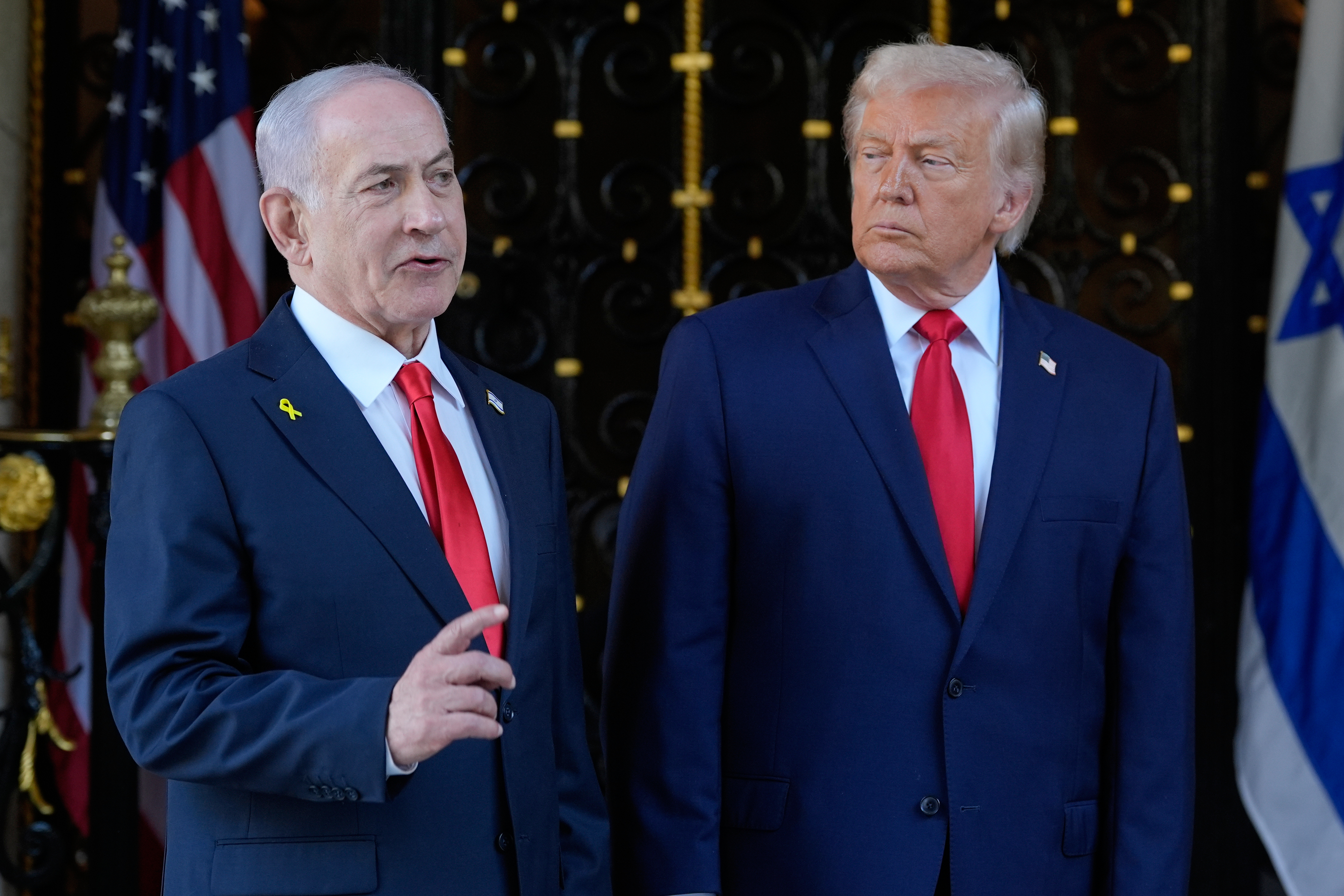
Yet inside the West Wing, the reaction was less a shrug than a calculated exhale. President Donald Trump’s senior aides have concluded that the prime minister’s theatrical objections are a necessary cost of keeping the fragile diplomatic process alive, according to officials familiar with the internal calculus.
The administration’s tolerance for what one adviser privately termed the “Netanyahu two-step” reflects a pragmatic bet: that the Israeli leader’s fiery rhetoric for domestic consumption matters less than the trajectory of events on the ground. With the tempo of Israeli strikes in Gaza having slowed measurably over the past two weeks, White House officials see tangible progress that they believe outweighs the diplomatic noise emanating from Jerusalem.
“We are watching what he does, not what he says,” a senior administration official said, speaking on the condition of anonymity to describe internal deliberations. The official acknowledged that Netanyahu’s public repudiation of the plan’s core tenets, including a permanent ceasefire and a full Israeli withdrawal, complicates the narrative of a unified American-brokered success, but insisted the operational reality remains the administration’s primary metric.
That disconnect has created a strange diplomatic tableau. While the prime minister tells his right-wing coalition partners that the deal is effectively dead, American envoys continue to shuttle between Cairo and Doha, quietly hammering out the logistics of a prisoner exchange and the reopening of border crossings. The White House has deliberately refrained from issuing public rebukes of Netanyahu’s statements, a strategy designed to avoid handing him a political grievance that could force a harder line.
A Strategy of Strategic Ambiguity
The approach marks a significant departure from the previous administration’s more confrontational posture toward Israel, and it carries inherent risks. Critics argue that allowing Netanyahu to publicly dismember the proposal undermines its credibility with Hamas and other regional actors, potentially prolonging the conflict. Yet the White House appears willing to absorb those reputational costs, betting that the prime minister’s coalition will eventually bend to the reality of a war-weary Israeli public and mounting international pressure.
For now, the administration’s public messaging remains fixed on the positive indicators: the reduction in civilian casualties, the steady flow of aid trucks into the enclave, and the quiet progress on hostage negotiations. Officials point to these metrics as proof that the president’s strategy of applying pressure on both sides, while keeping the ultimate prize of a deal in view, is working. The prime minister’s objections, they insist, are merely the sound of a politician navigating his own narrow political lane.
Whether that tolerance has a limit remains an open question. The White House has signaled privately that it expects Netanyahu to eventually sign on to the framework in full, and that the current period of rhetorical indulgence is finite. Should the Israeli military significantly escalate operations again, the carefully constructed patience would likely evaporate, forcing a public confrontation that both capitals have so far sought to avoid. For now, the administration is content to let the prime minister have his say, so long as the bombs stay quiet.