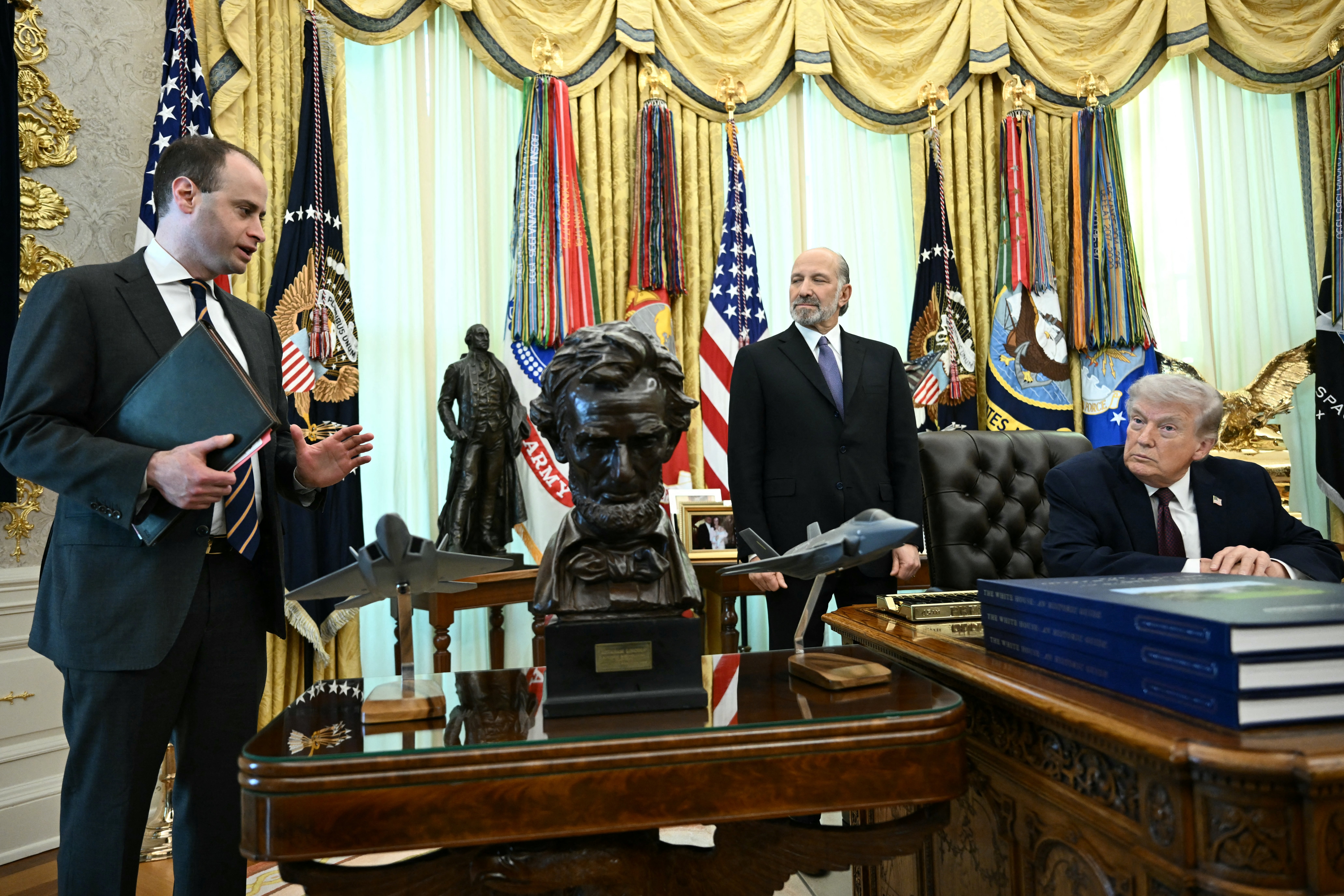
Scharf’s appointment was confirmed by administration officials on Wednesday, marking a shift in the top legal post as the president continues to reshape his inner circle.
Scharf will oversee the administrative work of the White House, a role that includes managing the flow of legal documents and advising on executive actions. In addition to his counsel duties, he will serve as the chair of a Washington-area planning committee, a position that places him at the center of federal coordination with the District of Columbia and surrounding jurisdictions.
The new counsel steps into the role after a period of high turnover in the West Wing, where legal staffing has been a point of focus for the administration. Scharf’s background is rooted in private practice, where he gained prominence representing the president in high-stakes litigation rather than through prior government service, a profile that distinguishes him from some of his predecessors in the role.
His appointment signals the president’s continued reliance on attorneys who have defended him personally, a pattern that has defined his approach to legal staffing. Scharf was part of the legal team that handled several of the most sensitive cases involving the president, though the specific scope of his new portfolio will be defined by the administrative and advisory duties of the counsel’s office.
Planning Committee Role Adds Federal Oversight
The chairmanship of the Washington-area planning committee adds a layer of logistical responsibility to Scharf’s portfolio, tasking him with coordinating federal interests in the capital region. This dual role is unusual for a White House counsel, who typically focuses on legal advice and executive privilege matters, but it reflects the administration’s effort to consolidate oversight under trusted aides.
Colleagues describe Scharf as a meticulous lawyer with a deep understanding of the president’s legal strategy, though his transition to the institutional side of the White House will test his ability to navigate the bureaucracy. The counsel’s office is responsible for vetting nominees, reviewing legislation, and protecting the executive branch’s legal positions, duties that require a steady hand in non-adversarial settings.
The announcement comes as the administration faces a slate of ongoing legal challenges, and Scharf’s familiarity with those cases may prove valuable in coordinating the White House’s response. However, his close ties to the president’s personal affairs have raised questions among ethics watchdogs about the separation between individual representation and institutional counsel, a concern the White House has not directly addressed.
Scharf is expected to assume his duties immediately, with the planning committee chairmanship taking effect in the coming weeks. The White House has not indicated any further changes to the legal team, leaving Scharf to settle into a role that will place him at the intersection of the president’s political and legal agendas.