The proposed site would mark a significant expansion of the nation’s emergency oil stockpile, which is currently concentrated along the Gulf Coast.
The plan would almost certainly run into opposition from Democratic Governor Gavin Newsom, whose administration has aggressively pushed to phase out fossil fuels. California has set legally binding targets to achieve carbon neutrality by 2045 and has banned the sale of new gasoline-powered cars by 2035, creating a political environment hostile to new oil infrastructure.
Proponents of the reserve argue it would bolster energy security on the West Coast, a region particularly vulnerable to supply disruptions. California relies on a handful of refineries and pipelines, and a major earthquake or refinery outage could cripple fuel supplies for weeks. The federal government currently holds roughly 695 million barrels of crude in underground salt caverns in Texas and Louisiana, with no equivalent storage west of the Rocky Mountains.
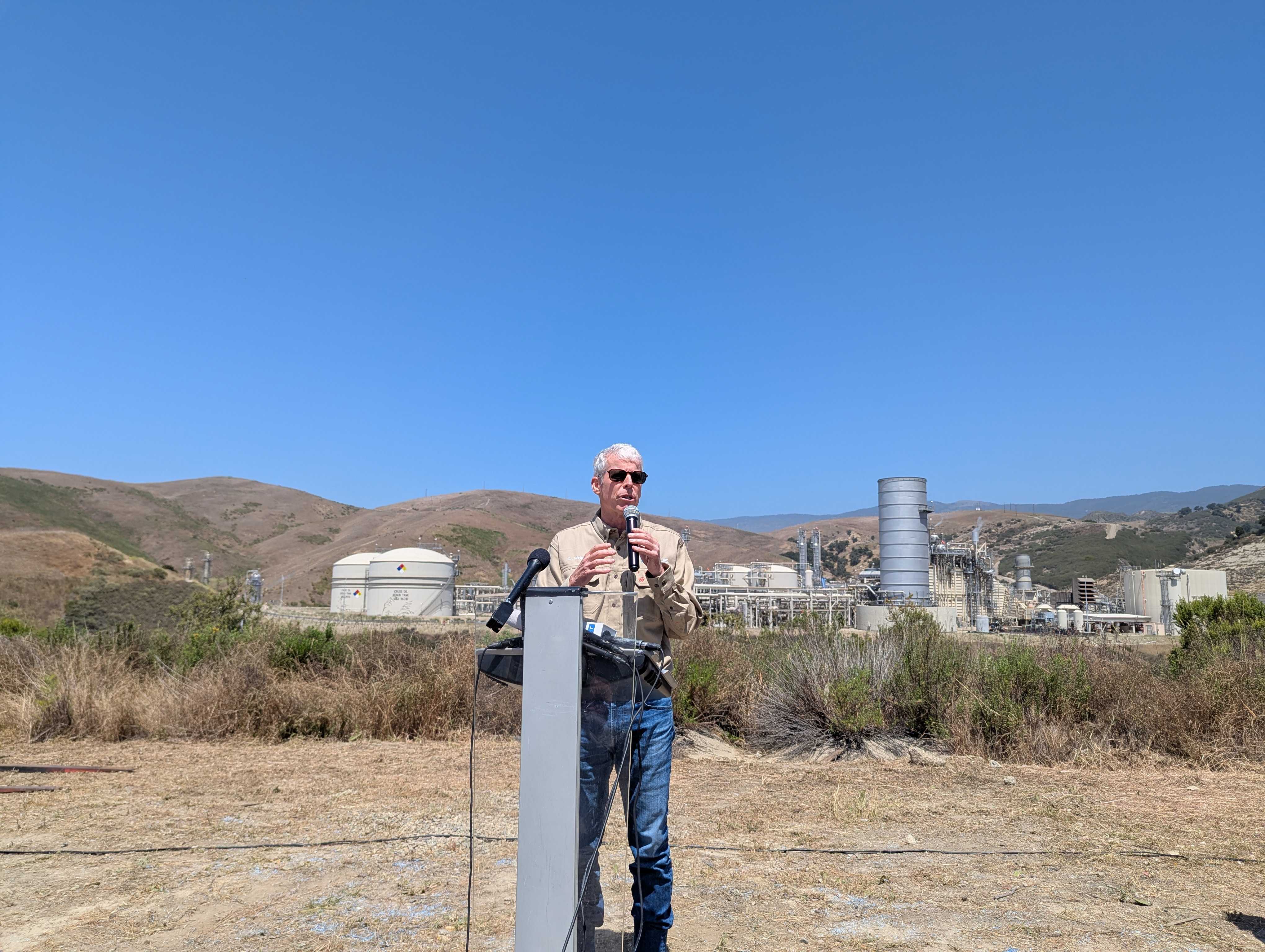
The location under consideration has not been publicly disclosed, but any new storage facility would require extensive environmental reviews and permits from state and local authorities. The Newsom administration has previously blocked new oil drilling permits and challenged federal energy policies in court, signaling a likely legal battle if the Trump administration attempts to bypass state approval.
Energy policy clash
The proposal underscores a fundamental divide between the Trump administration’s focus on maximizing domestic fossil fuel production and California’s aggressive climate agenda. President Trump has made energy dominance a cornerstone of his platform, while Newsom has positioned himself as a leading voice against what he calls “Big Oil’s stranglehold” on American politics.
Federal officials have not provided a timeline for the discussions, and it remains unclear whether the reserve would store crude oil or refined products such as gasoline and diesel. California’s refineries are configured to process heavier, dirtier grades of crude that differ from the lighter oil held in the Gulf Coast reserve, raising logistical questions about compatibility.
Any final decision would require coordination with the Department of Energy, which manages the Strategic Petroleum Reserve, and could face additional scrutiny from Congress. The reserve was created in 1975 after the Arab oil embargo and has been drawn down multiple times by presidents of both parties to stabilize fuel prices during emergencies.