Now, after repeated delays and closed-door negotiations, a coalition of nations including the United States, Iran, and Oman has begun sketching out a formal evacuation lane in the Strait of Hormuz, according to planning documents circulated by the International Maritime Organization.
The initiative, which remains in its early technical stages, aims to carve out a designated maritime corridor for commercial vessels and oil tankers to transit safely in the event of a regional crisis. The plan represents a rare moment of operational cooperation between Washington and Tehran, two capitals that have spent much of the past year trading accusations over maritime security and oil seizures in the strategic waterway.
Under the proposed framework, the International Maritime Organization would coordinate the lane’s activation, with Oman serving as a neutral host for emergency communications and vessel routing. The United States and Iran, despite their broader hostilities, have both signaled a willingness to respect the corridor’s boundaries during a crisis, according to sources familiar with the talks.
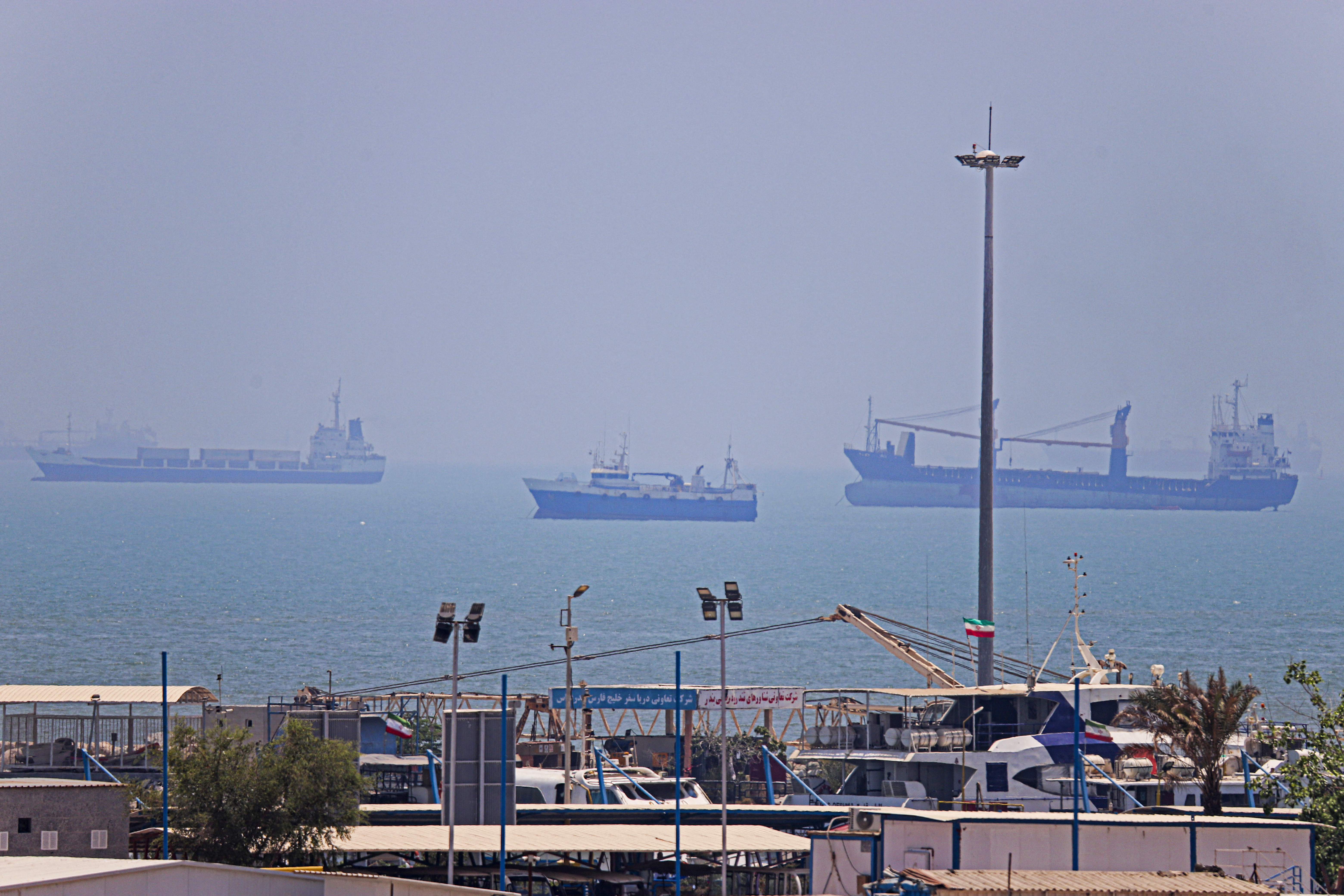
The Strait of Hormuz, a narrow passage between the Persian Gulf and the Gulf of Oman, handles roughly one-fifth of the world’s oil consumption. Any disruption to its flow has historically sent shockwaves through global energy markets. The evacuation lane is designed not to replace normal traffic but to provide a last-resort escape route for ships caught in a sudden escalation, such as a naval confrontation or a mine-laying operation.
Diplomatic gridlock had stalled progress for months, with each side demanding preconditions before committing to the plan. Iran sought guarantees that the corridor would not be used for military surveillance, while the U.S. insisted on the right to inspect vessels suspected of carrying illicit cargo. A breakthrough came only after Oman proposed a third-party monitoring system, a compromise that both sides have now tentatively accepted.
Operational Details Still Under Negotiation
Key questions remain unresolved, including the exact coordinates of the lane, the frequency of drills, and the chain of command for activating the corridor. The IMO has scheduled a follow-up technical meeting for next month in Muscat, where naval attachés from the participating countries will attempt to finalize the route. Shipping companies, which have been pressing for a solution, have been asked to submit vessel traffic data to help model potential evacuation scenarios.
Analysts caution that the plan’s success depends on trust that has been in short supply. “This is a fragile arrangement built on mutual self-interest, not friendship,” said a Gulf-based maritime security consultant who spoke on condition of anonymity. “If a single tanker is stopped or a drone is spotted near the lane, the whole thing could unravel in hours.” Still, the mere existence of a written framework, after months of silence, has been enough to ease some of the tension in shipping boardrooms from Singapore to Rotterdam.