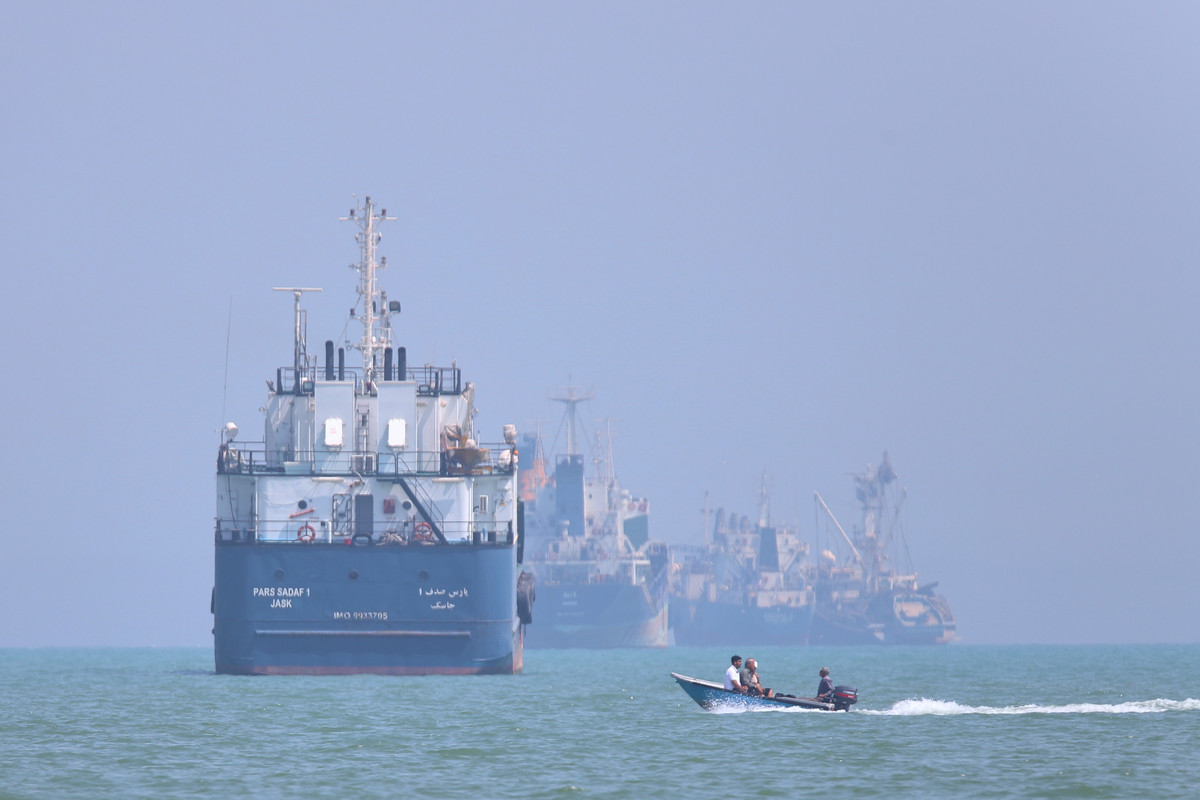
The waterway, a narrow choke point for nearly a fifth of the world's petroleum, had been effectively sealed for weeks by the conflict that erupted after President Donald Trump launched a war with Israel against Iran in late February. Now, with both sides agreeing in principle to reopen the strait, the question is not simply whether the world will choose fossil fuels or clean energy, but whether it will end up with more of both.
The Iran war has often been framed as a decisive battle between American gas guzzlers and Chinese electric vehicles, between the old hydrocarbon order and a low-carbon future. But analysts who study the history of energy upheavals say the outcome is unlikely to be so binary. Gregory Brew, a senior analyst at the Eurasia Group, described the likely aftermath as far messier than a simple victory for one side. “I don’t see this as being a pro-transition or anti-transition binary,” Brew said, referring to the clean energy transition. “I think it’s much messier than that.”
History offers a useful parallel. During the Arab oil embargo era of the 1970s, countries responded to supply shocks by pursuing seemingly contradictory strategies. They switched from crude oil to other electricity fuels, embraced low-carbon sources like nuclear power, and built up the liquefied natural gas industry to ship more fossil fuels around the world. At the same time, they pushed companies to drill for oil in regions where extraction had previously been too expensive, and governments used fuel economy standards to squeeze more miles from each gallon, cementing oil’s dominance among drivers.
Brew and other analysts see a similar dynamic emerging from the current conflict. The reopening of the Strait of Hormuz, a central artery for global oil and gas supplies, will restore some stability to markets. But the deeper lesson countries are drawing has little to do with climate change, an issue that has animated global energy politics for more than a decade. Instead, the driving concern is security of supply. “I think this hammers home to everyone — consumers, producers, industrialized states, emerging markets — that the key consideration, the key concern, is not necessarily what energy you’re consuming, but where you’re getting it from and whether that source is secure,” Brew said.
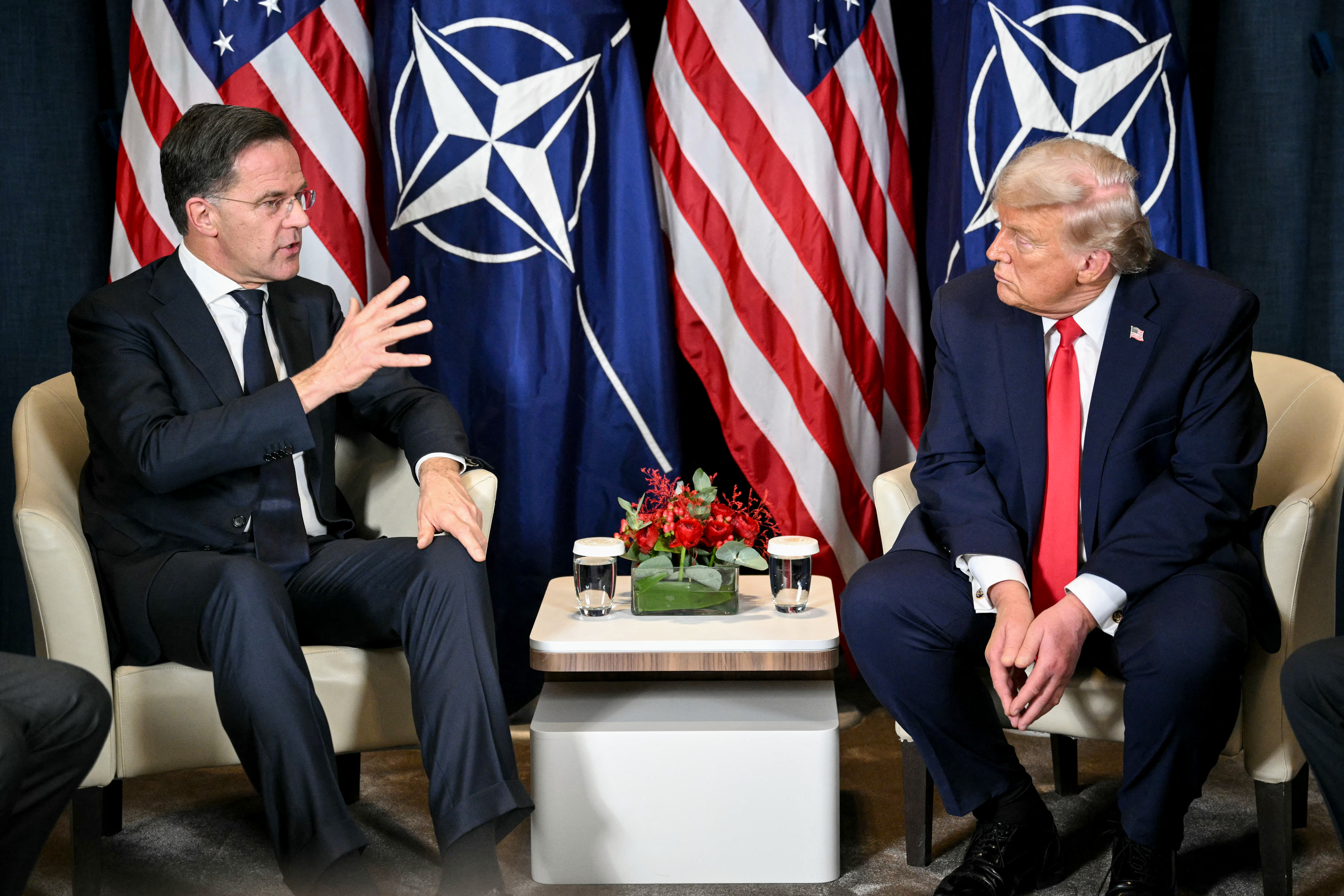
That sentiment stands in sharp contrast to the political messaging coming from capitals like Washington and Brussels, where leaders are pitching the conflict as a vindication of their preferred energy strategies. In Europe, politicians and business executives point to the war’s repercussions as evidence that their strategy to boost renewables and electric vehicles is working, by limiting the continent’s exposure to spiking fossil fuel prices. The conflict, in their telling, has accelerated the transition away from imported hydrocarbons.
Trump takes the opposite position. He has made the strait’s closure Exhibit A in his campaign for energy dominance, arguing that it justifies his agenda to expand oil and gas exports. For him, the war proves that the United States must produce more fossil fuels, not less, to shield itself and its allies from foreign supply disruptions. The result is a fractious energy future in which both narratives coexist, each feeding on the same crisis to advance opposing goals.
The practical outcome, analysts predict, will be a world where American oil wells pump harder even as Chinese EVs fill new cargo ships bound for global markets. Neither side wins outright. The tension between fossil fuels and clean power, far from being resolved by the war, is likely to deepen as countries prioritize reliability over ideology. In the scramble for secure energy, the only certainty is that the contest between the old order and the new is far from over.