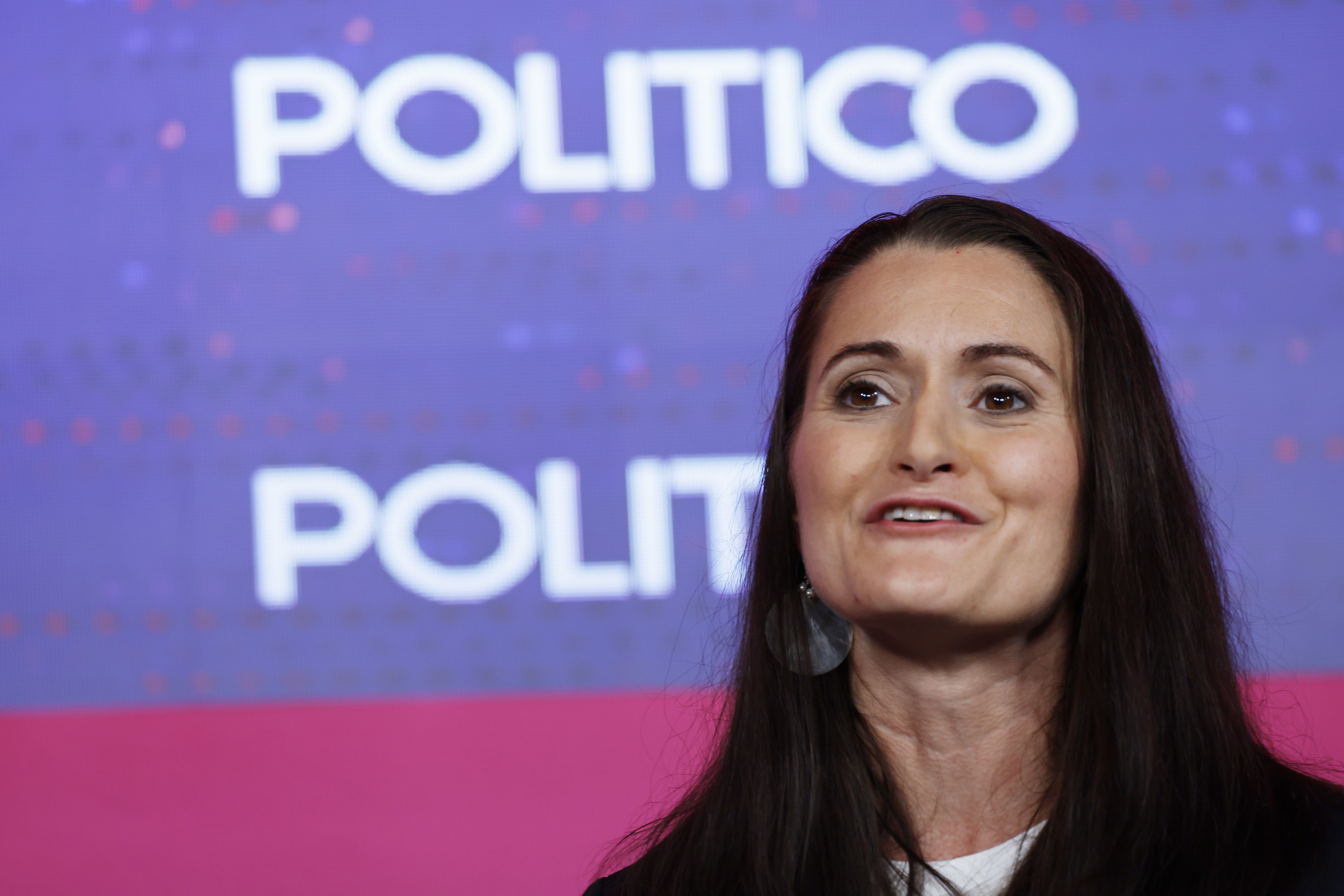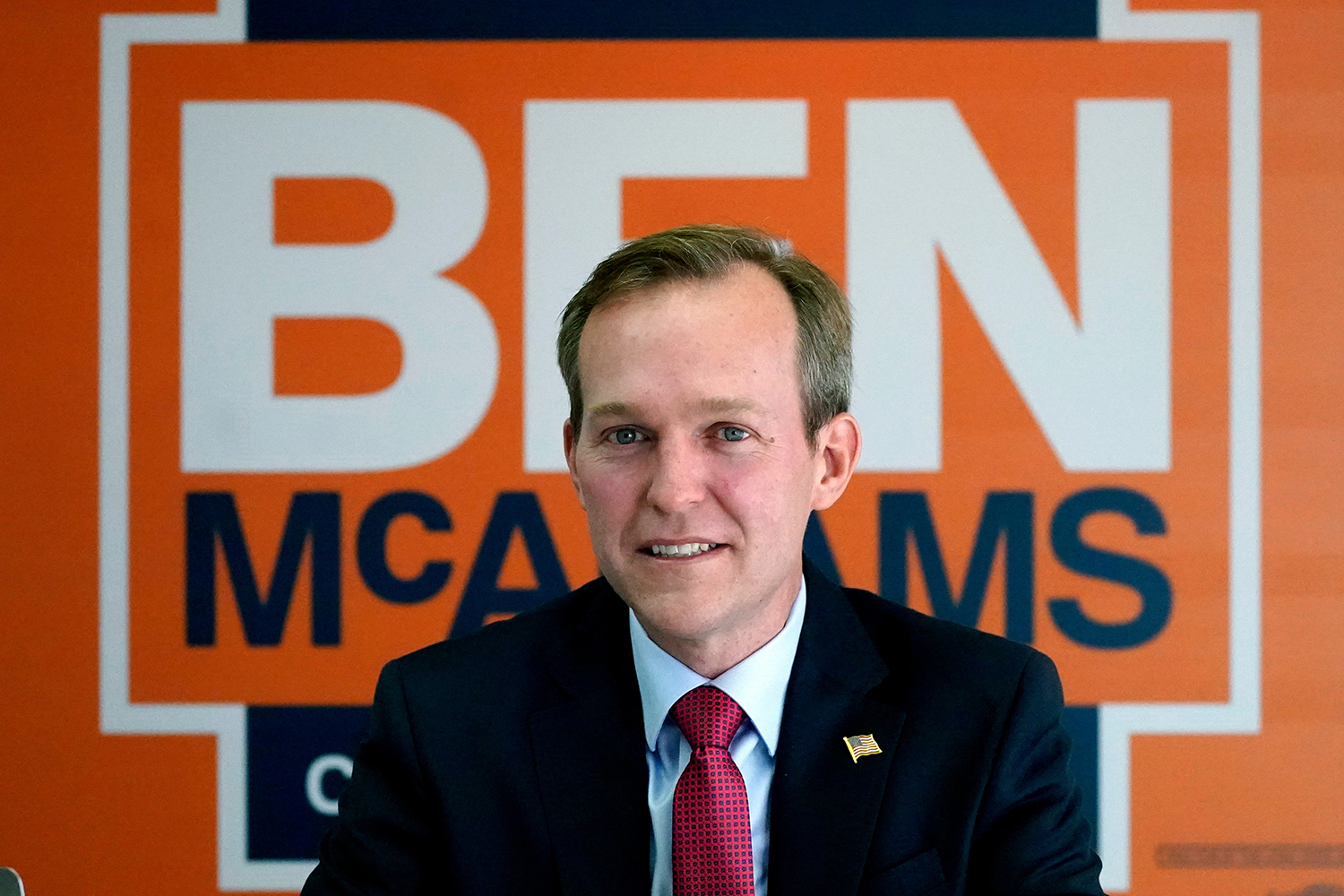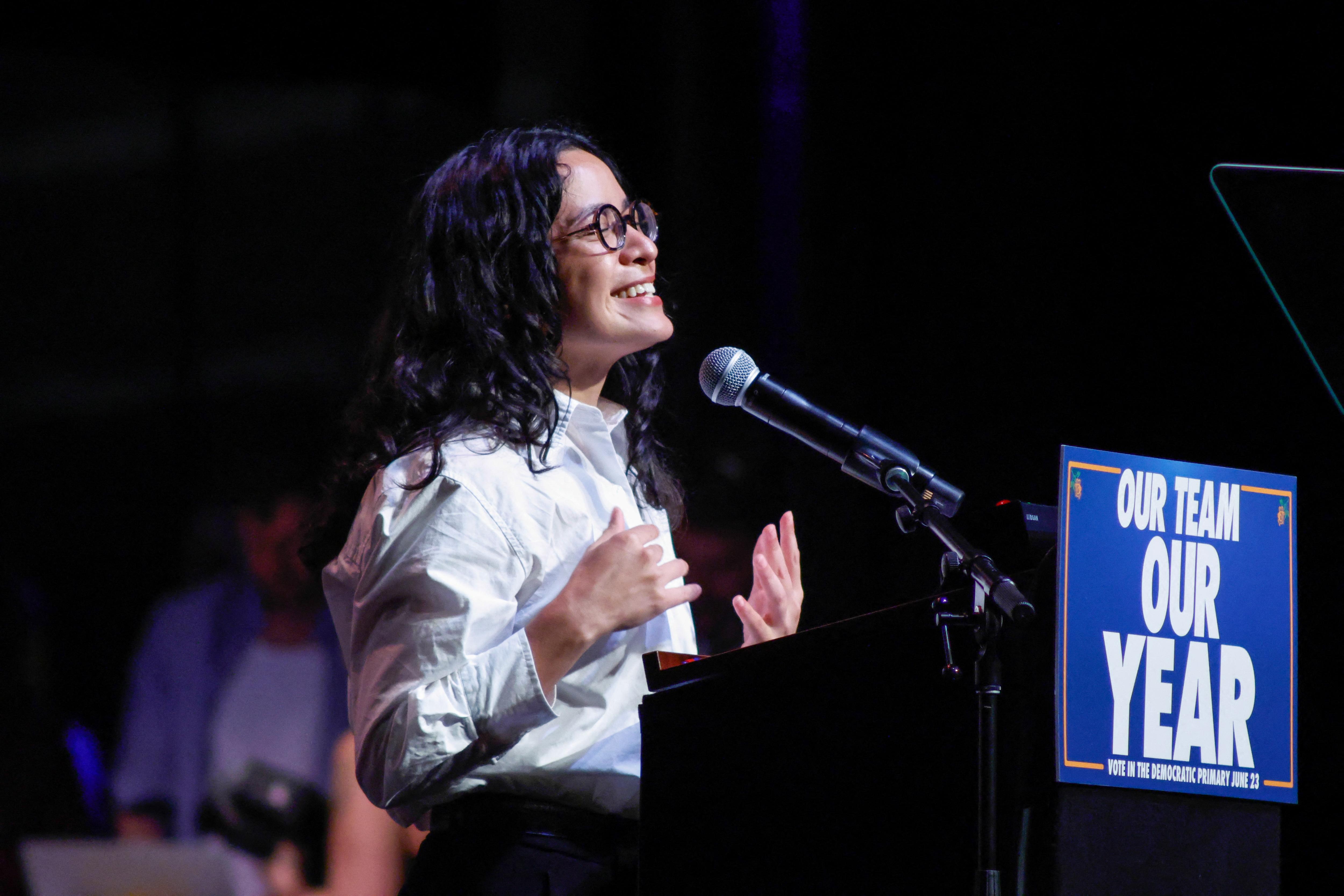
The state Assemblymember had just secured a narrow but decisive victory over Brooklyn Borough President Antonio Reynoso, flipping the script in a race that many political observers had expected to be a coronation for the better-known citywide official.
The contest for the open seat, which spans parts of Brooklyn and Queens, became a proxy battle between the establishment and the ascendant left wing of the Democratic Party. Valdez, a democratic socialist and former union organizer, leaned heavily on a grassroots network cultivated during her time in Albany. Her win marks a significant setback for Reynoso, who entered the race with institutional support and a substantial fundraising advantage.
A key factor in Valdez’s victory was a late endorsement from Zohran Mamdani, the popular state Assemblymember and fellow democratic socialist. Mamdani’s active campaigning across the district helped energize a base of young, progressive voters who turned out in strong numbers on primary day. “This is what a people-powered movement looks like,” Valdez told supporters at her victory party, her voice hoarse from days of canvassing.
Reynoso, who has served as Brooklyn Borough President since 2022, had positioned himself as a pragmatic leader capable of delivering results on housing and public safety. He touted endorsements from several labor unions and local elected officials. However, his campaign struggled to match the intensity of Valdez’s ground operation, particularly in the Queens portion of the district where she had represented parts of the area in the Assembly.
A Shift in the Political Landscape
The outcome underscores a deepening ideological divide within New York City’s Democratic Party. Valdez’s victory suggests that the coalition that propelled progressive candidates to office in 2021 remains energized, even as moderates have attempted to reclaim ground in recent cycles. The open seat was created after the incumbent decided to retire, setting the stage for a high-stakes primary that drew attention from political operatives across the state.
For Reynoso, the loss raises questions about his political future and the limits of the borough presidency as a launching pad for higher office. His campaign had argued that his experience managing a boroughwide government made him the best equipped to handle the district’s complex needs, from transit funding to affordable housing policy. But in the end, the message did not resonate with enough primary voters in a district that has become a stronghold for the city’s progressive movement.
Valdez will now head into the general election as the heavy favorite in a safely Democratic district. Her campaign has already signaled that it intends to push for a statewide single-payer health care system and stronger tenant protections, issues that animated her supporters during the primary. The victory also solidifies the influence of the progressive bloc in Albany, where Valdez is expected to join a growing caucus of left-leaning lawmakers.