The former top Wall Street regulator sees troubling parallels between the lax oversight that preceded the last meltdown and the direction regulators are heading today.
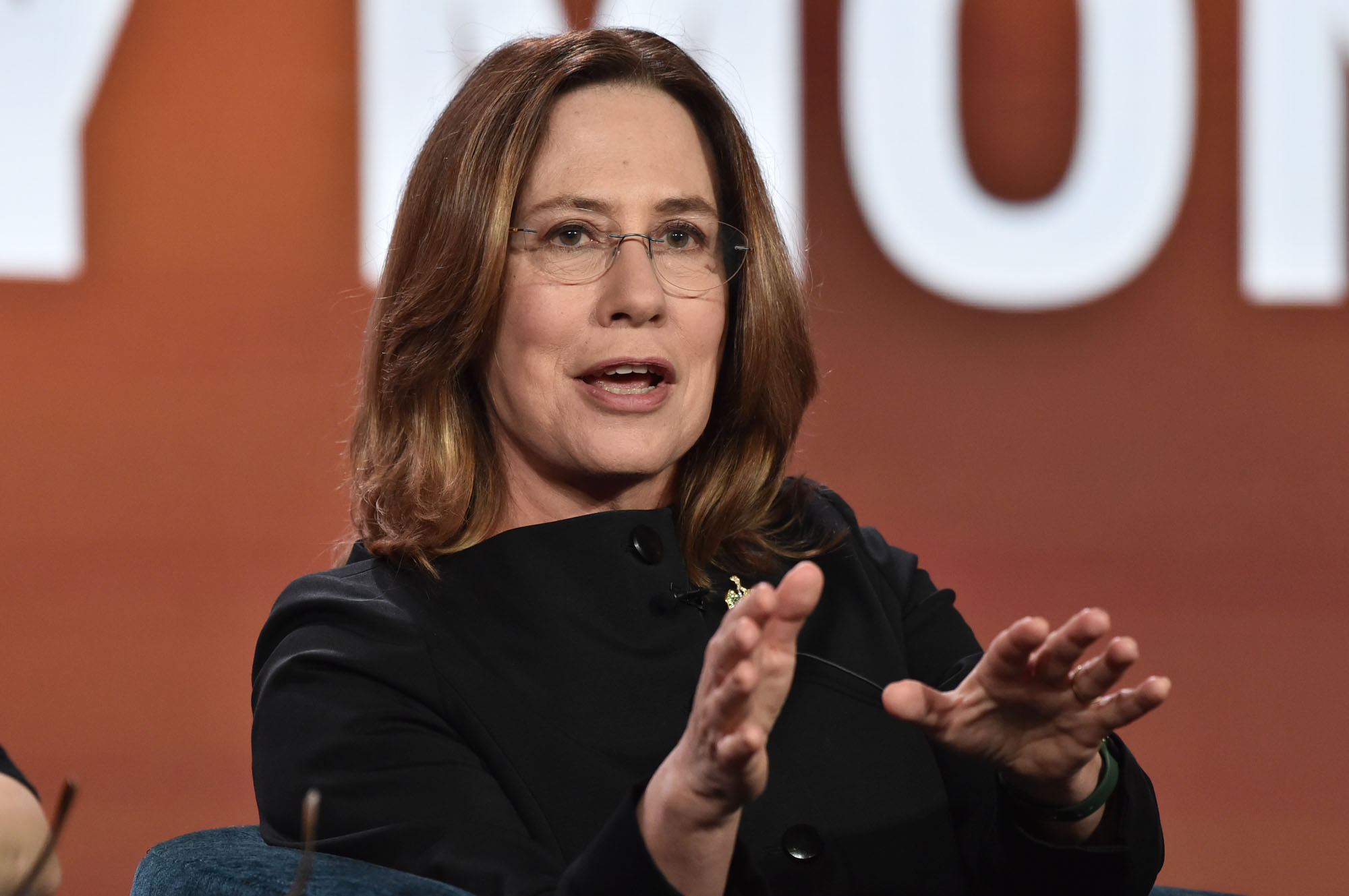
Bair’s concerns center on a series of recent moves by federal agencies that she argues are systematically dismantling the safeguards put in place after the housing crash. She points specifically to the Federal Reserve’s decision to ease capital requirements for large banks and the Securities and Exchange Commission’s push to relax rules for money market funds as steps that could reintroduce systemic risk into the financial system.
The former FDIC chair described the current trajectory as “frightening” in a recent interview, warning that regulators appear to be repeating the same mistakes that allowed risk to build up undetected in the lead-up to 2008. She noted that the financial industry has lobbied aggressively for these rollbacks, often arguing that post-crisis rules were too burdensome and stifled economic growth.
Critics of the deregulatory push, including Bair, counter that the true cost of weaker oversight will not be felt until the next downturn. They argue that the stress tests and liquidity requirements that banks now want to shed were precisely the tools that helped the system weather the pandemic shock in 2020 without a full-scale collapse.
The debate comes as the Office of the Comptroller of the Currency and the Federal Deposit Insurance Corporation have both signaled openness to further reducing capital buffers for the largest lenders. Bair warned that this approach could leave the financial system exposed to the kind of cascading failures that defined the 2008 crisis.
A Pattern of Complacency
Bair’s warnings echo a growing chorus of former officials who fear that institutional memory of the crisis is fading as a new generation of regulators takes the helm. She emphasized that the most dangerous period for financial stability often comes when the memory of the last disaster has faded but the incentives for risk-taking remain strong.
The former regulator urged Congress and the public to pay closer attention to the technical rule changes that are now underway. She argued that these seemingly arcane adjustments to capital ratios and liquidity standards could, if left unchecked, quietly recreate the conditions for a new meltdown that catches regulators unaware once again.