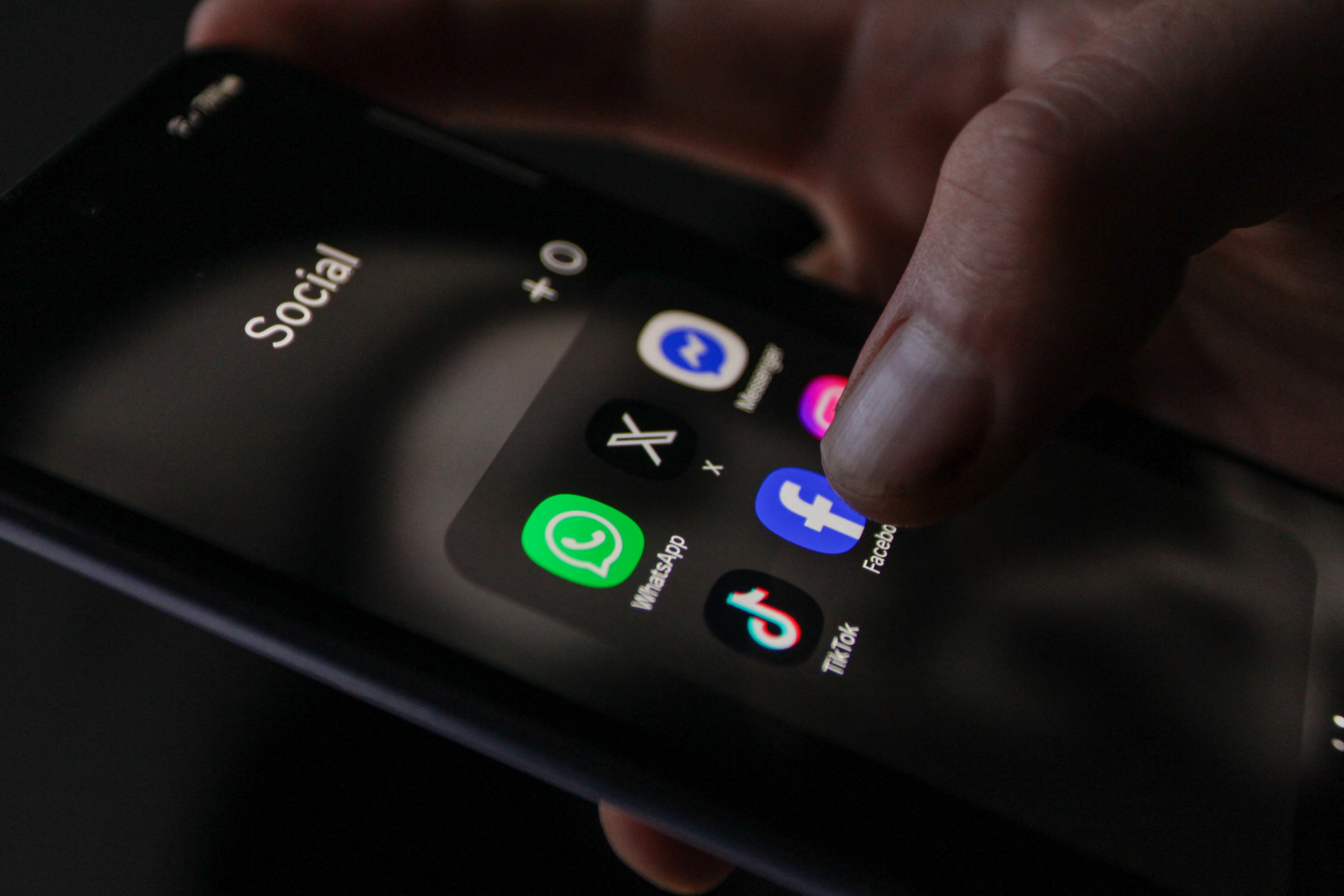
The hearing, confirmed by committee staff, will place the leaders of some of the world’s most powerful digital platforms directly in the crosshairs of lawmakers who have grown increasingly impatient with industry self-regulation.
The session arrives as Congress actively debates legislation aimed at strengthening protections for children online, including bills that would impose new legal obligations on tech companies to prevent the spread of child sexual abuse material and limit harmful content for minors. Senator Dick Durbin, the Illinois Democrat who chairs the Judiciary Committee, has made child safety online a priority for his panel, signaling that the July hearing will be a central moment in that push.
While the committee has not yet released the full witness list, sources familiar with the planning indicated that the CEOs of Meta, TikTok, and Snap are among those expected to testify. The appearance would follow a pattern of recent congressional grillings of tech leaders, though this hearing’s narrow focus on children’s safety could produce sharper exchanges than past sessions on data privacy or antitrust concerns.
Legislative Momentum Builds
Lawmakers on both sides of the aisle have expressed frustration with the tech industry’s track record on child safety, pointing to internal documents and whistleblower accounts that they say reveal a pattern of prioritizing engagement over user protection. The Kids Online Safety Act, a bipartisan bill that would require platforms to implement default safety settings for minors, has gained significant traction in recent months, though its path to passage remains uncertain.
Another measure, the EARN IT Act, seeks to strip tech companies of certain legal protections under Section 230 of the Communications Decency Act if they fail to address child sexual abuse material on their platforms. Industry groups have pushed back, arguing that such changes could undermine encryption and free expression online, but supporters counter that the current legal framework leaves children dangerously exposed.
The hearing is also expected to draw attention to the platforms’ content moderation practices, particularly the algorithms that recommend content to young users. Critics contend that these recommendation systems can amplify harmful material, including videos promoting self-harm or eating disorders, a charge the companies have disputed while announcing incremental policy changes.
For the tech executives, the July 28 date will force them to defend their companies’ record on child safety under oath, with the threat of subpoenas and legislative action looming if their testimony fails to satisfy skeptical senators. The hearing represents a critical test of whether Congress can translate years of complaints about Big Tech into concrete legal reform.