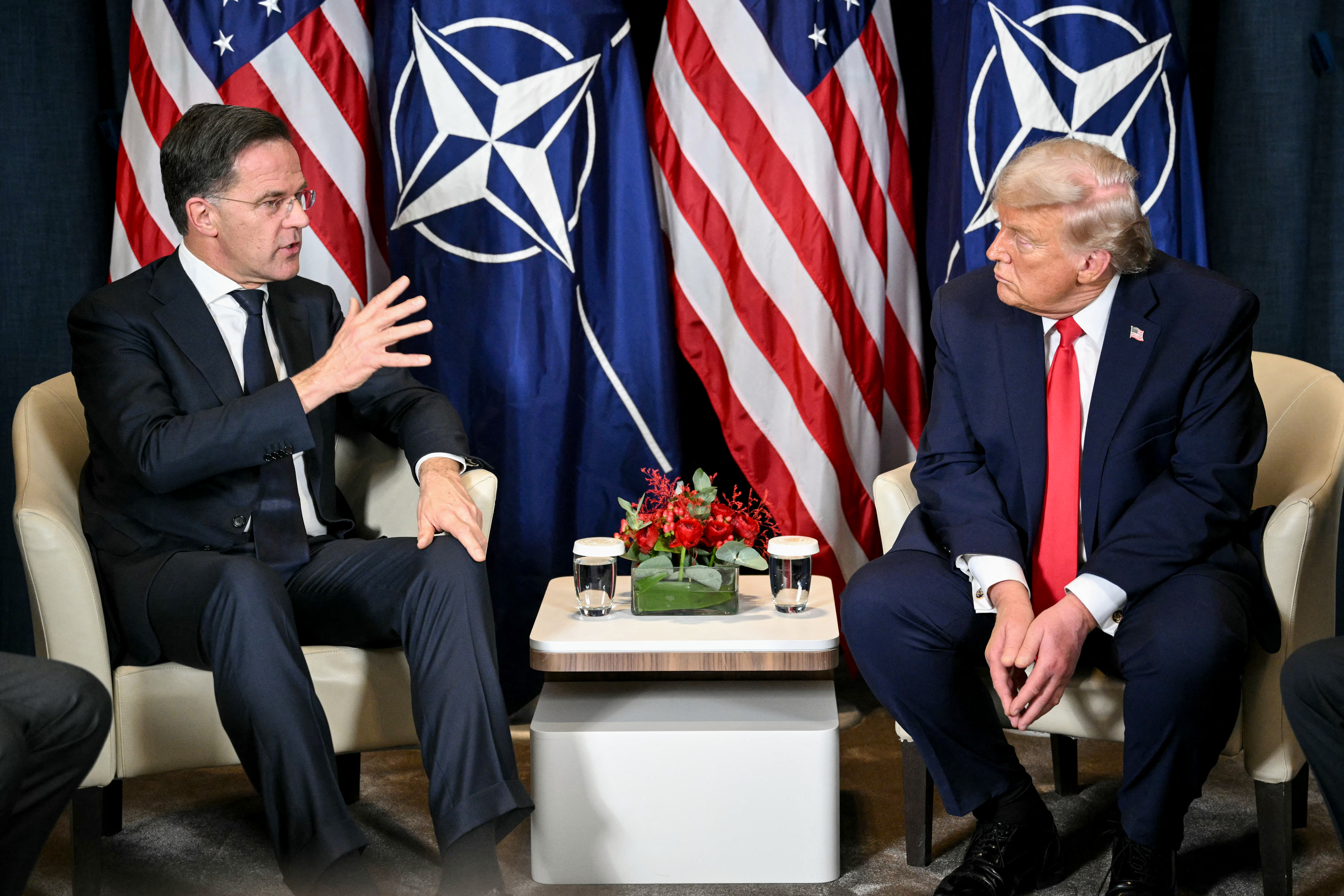
The alliance’s secretary general knew that the numbers on those pages would satisfy neither the man in the White House nor the treasuries of 31 other capitals.
Rutte, the former Dutch prime minister, has long enjoyed a pragmatic working relationship with President Donald Trump. But that history now faces its sternest test as he tries to reconcile Trump’s insistence on massive defense spending hikes with the budgetary limits of allied nations still recovering from inflation and energy shocks.
The core of the friction lies in Trump’s repeated demands that each NATO member spend at least 4 percent of its gross domestic product on defense, a target far above the current 2 percent guideline. Only a handful of allies currently meet that lower threshold, and even fewer have budgets that could realistically climb to the 4 percent mark within the next decade.
European officials privately acknowledge that the alliance must show progress on burden sharing before the next NATO summit. But they warn that forcing nations to slash social programs or raise taxes to fund military expansion could fracture domestic political support for the alliance itself.
Rutte’s strategy has been to avoid public confrontation with Trump while quietly pressing allies to accelerate their spending timelines. He has stressed that the alliance’s credibility depends on demonstrating concrete results, not just promises.
Narrow Room for Compromise
The secretary general’s lane is narrow. If he pushes too hard on spending, he risks alienating European leaders who view the 4 percent figure as unrealistic. If he appears too accommodating to Trump, he could embolden the president to make even steeper demands.
Diplomats familiar with the internal talks say Rutte is betting on a middle ground: a new commitment to raise the baseline spending target to 2.5 or 3 percent, coupled with stricter enforcement mechanisms. Such a deal would give Trump a tangible victory while allowing allies to frame it as a gradual, achievable step.
Whether that compromise holds will depend on the next few months of bilateral negotiations. For now, Rutte continues to shuttle between Washington and European capitals, carrying the same message: the alliance must adapt, but it cannot break.