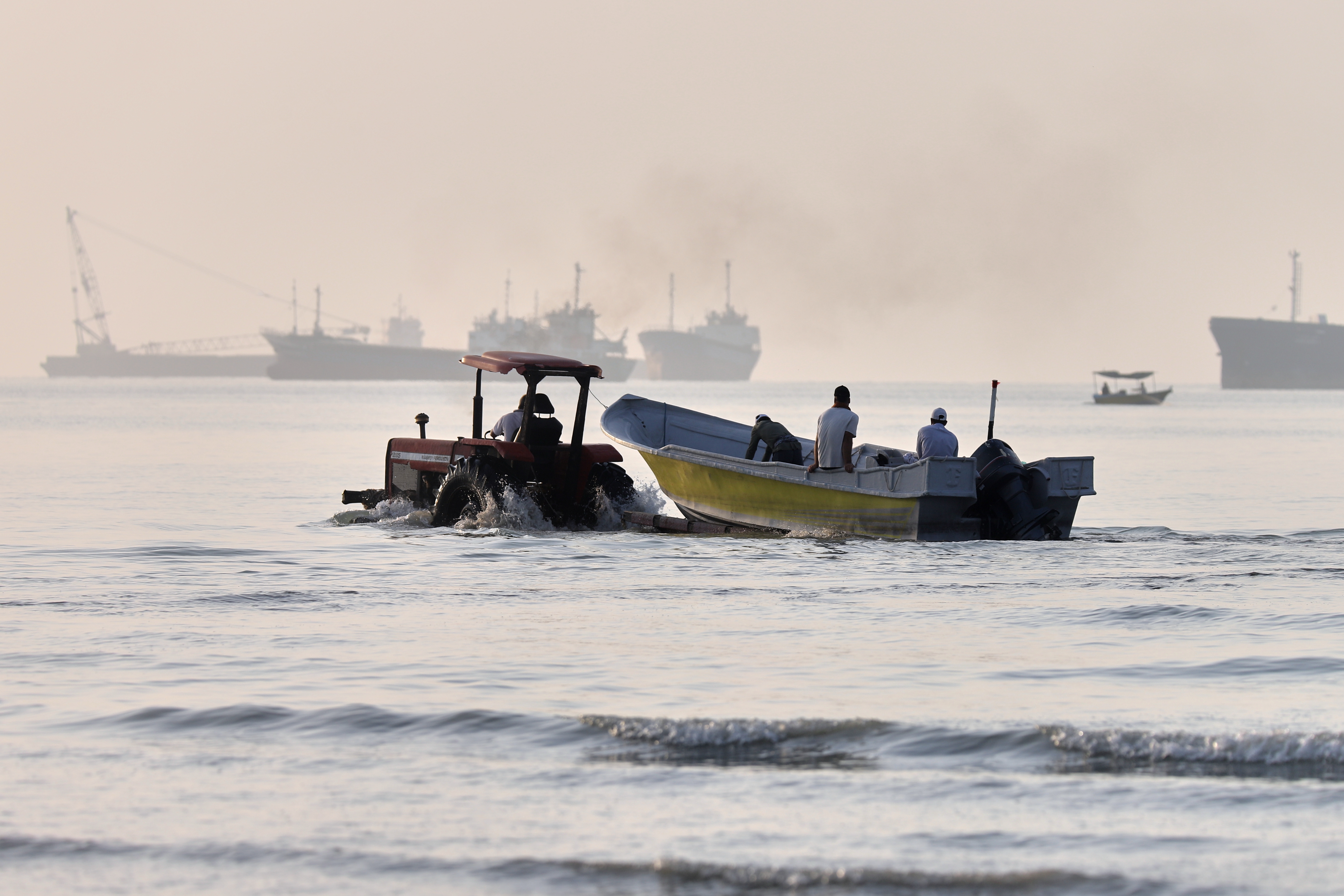
Navy destroyer cruised past a line of oil tankers idling at the mouth of the Strait of Hormuz, their crews watching from the decks. Not a single vessel moved to enter the narrow waterway. Despite President Trump’s declaration that the strait is “open for business,” the tankers remained anchored, their owners unwilling to test waters that have become a flashpoint between Washington and Tehran.
The Trump administration is now weighing a plan to offer what one official described as a “VIP pass” system, a set of incentives and security guarantees designed to coax commercial shippers back into the strait. The proposal, still in early stages, would involve providing selected tankers with enhanced naval escorts, priority access to U.S. intelligence on threats, and possibly financial incentives such as reduced insurance premiums or direct subsidies. The goal is to break a logjam that has seen global oil prices fluctuate wildly as traders price in the risk of a disruption.
The administration’s push comes after a series of attacks on tankers near the strait this spring and summer, which Washington has blamed on Iran. Tehran has denied involvement but has warned it will close the waterway if its own oil exports are choked off by U.S. sanctions. For ship owners, the calculus has been simple: the potential cost of a damaged vessel, a lost crew, or a spike in insurance rates far outweighs the profit from a single voyage.
“It’s not about whether the U.S. Navy can keep the strait open,” said a senior industry executive familiar with the talks. “It’s about whether a ship owner in Greece or Japan is willing to bet his entire fleet on that promise.” The executive spoke on condition of anonymity to discuss sensitive commercial negotiations.
The “VIP pass” concept is intended to address that gap. Under the emerging framework, participating tankers would be required to register their voyages in advance, share their routes and cargo manifests with U.S. naval forces, and agree to strict communication protocols. In return, they would receive a dedicated escort through the strait and real-time threat warnings. Officials hope the arrangement will create a small but visible stream of vessels that can demonstrate the route is safe, encouraging others to follow.
Insurance and the credibility gap
Yet the plan faces significant hurdles. Insurance underwriters, still reeling from claims tied to the recent attacks, have yet to signal whether a U.S. escort would be enough to lower premiums. Some shippers have also expressed concern that associating too closely with the U.S. military could make their vessels a target for Iranian reprisal. “A VIP pass could just as easily become a bull’s-eye,” said a maritime security analyst based in Dubai.
The administration is also grappling with the broader diplomatic challenge of persuading allies to join a proposed naval patrol mission in the region. Several European nations have so far declined, wary of being drawn into a confrontation with Iran. Without a wider coalition, the burden of escorting commercial traffic would fall almost entirely on the U.S. Navy, raising questions about sustainability over the long term.
For now, the tankers remain at anchor, their crews waiting for a signal that the water is safe. Whether a “VIP pass” can provide that signal, or simply becomes another point of friction in a volatile region, will determine not just the flow of oil but the credibility of Washington’s assurances on the world’s most critical energy chokepoint.