This corporate recalibration is a direct response to a profound shift in public sentiment, one that is redrawing the political battle lines over business and regulation.
A new POLITICO poll of 3,851 U.S. adults reveals a striking bipartisan consensus of distrust toward major industries. Two-thirds of respondents, including majorities in both parties, believe food companies are making Americans less healthy for profit. Similar majorities suspect that pharmaceutical regulators have been captured by the industry they are meant to oversee.
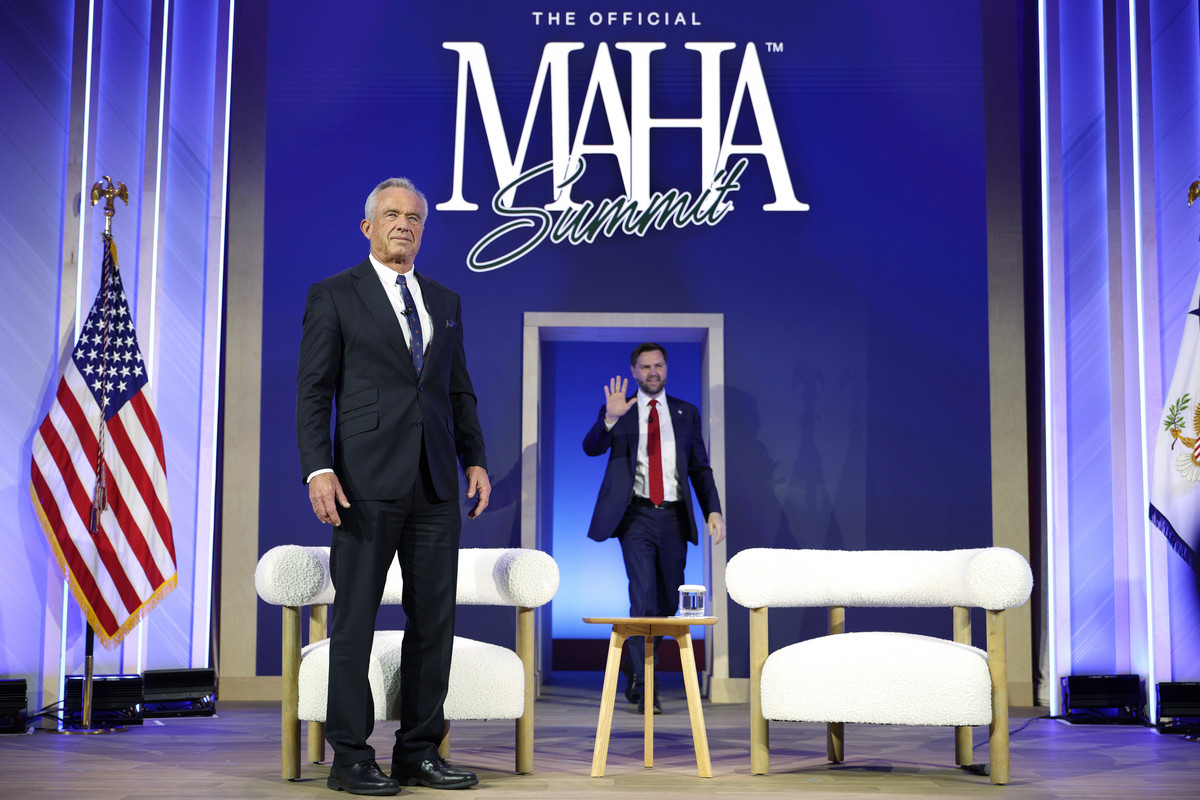
The driving force behind this sentiment, particularly within the Republican electorate, is the populist health agenda of Robert F. Kennedy Jr. His "Make America Healthy Again" platform, which calls for restrictions on ultraprocessed foods, pesticides, and junk food advertising, finds strong support among GOP voters. The poll shows most Republicans also share Kennedy's view that childhood vaccines should be optional.
This surge of skepticism is proving costly for corporate America. Food and pharmaceutical lobbying expenditures in Washington have climbed to multi-year highs as industries brace for a more hostile political environment. While some brands proactively reformulate products, others like McDonald's and Dunkin' have absorbed public criticism from Kennedy and his allies.
Political Reckoning for the GOP
For the Republican Party, the poll highlights a deepening internal conflict. The party's traditional identity as a champion of business and limited government is now clashing with the anti-corporate, populist instincts of its base, which is increasingly rallying to Kennedy's health-focused cause. This fracture suggests a significant political realignment on issues of corporate power and consumer safety.
The data presents a clear warning to America's corporate leadership. Public relations strategies built on decades of goodwill appear obsolete in the face of widespread belief in corporate malfeasance. The poll indicates that CEOs have substantial reason to "hunker down," as skepticism has moved from the political fringes to the mainstream of both major parties.
Industry critics see the moment as a long-overdue reckoning. "Companies should be listening carefully and responding to our concerns," said conservative commentator Betsy McCaughey, echoing the poll's findings of a public demanding accountability. The sentiment suggests that regulatory pressure may soon follow the shift in public opinion.
The ultimate political impact remains uncertain, but the landscape has undeniably changed. A coalition spanning the ideological spectrum now views major swaths of corporate America not as engines of prosperity, but as potential threats to public health, setting the stage for a new era of consumer politics.