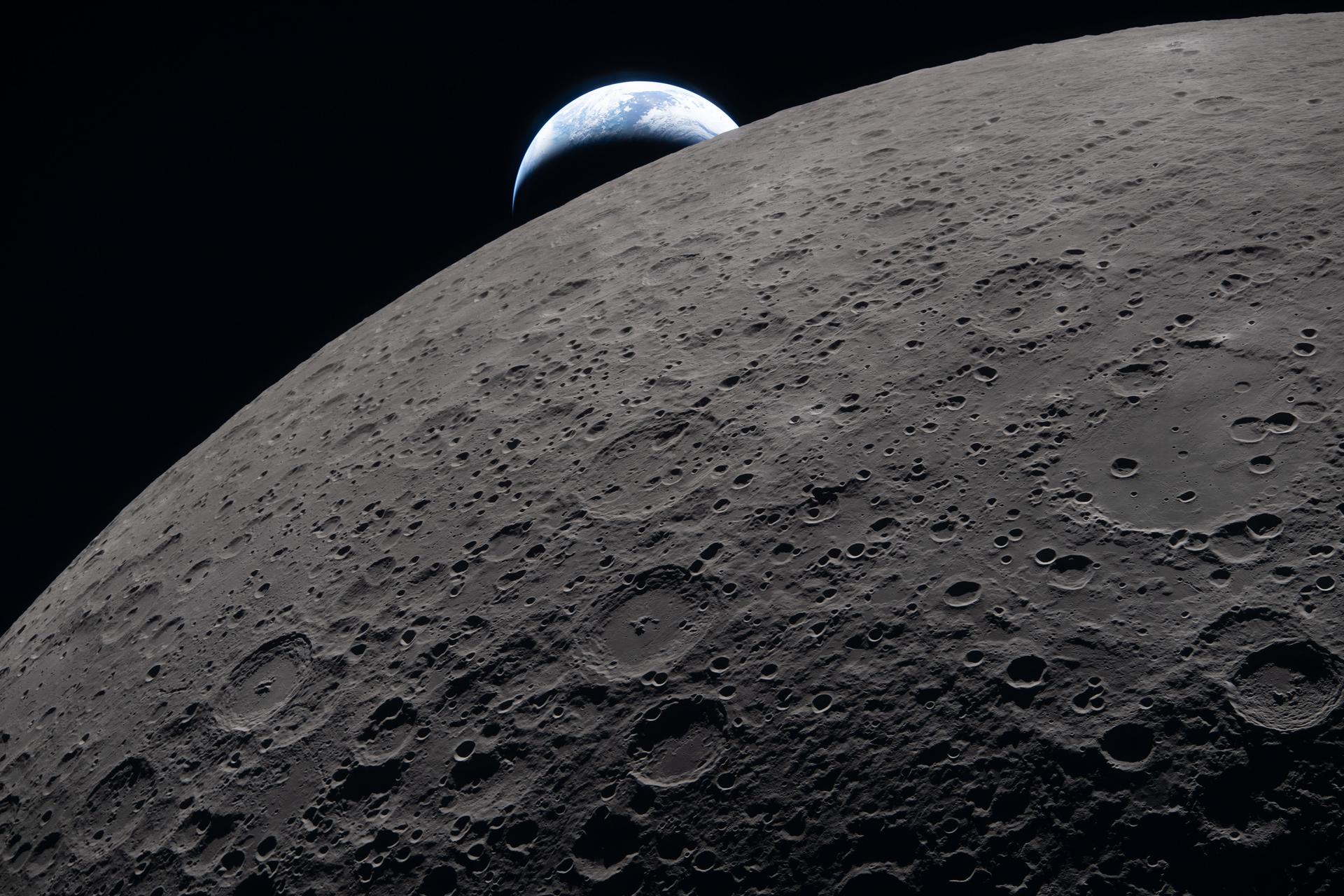
The quiet lobbying campaign comes as the space agency strains to meet President Trump’s directive to return American astronauts to the moon by 2024, a deadline that many independent analysts consider extraordinarily tight.
The agency’s leadership has begun contacting lawmakers on the House and Senate appropriations committees, as well as members of the relevant authorization panels, to brief them on the financial shortfalls. While NASA has not yet submitted a formal supplemental budget request, the conversations signal that officials expect the current funding levels to fall short of what is needed for the accelerated timeline.
President Trump’s 2024 moon goal, announced in March, caught many at NASA off guard. The agency had been working toward a 2028 lunar landing under the previous administration, and the compressed schedule requires faster development of the Space Launch System rocket, the Orion crew capsule, and a new human landing system. NASA Administrator Jim Bridenstine has publicly warned that the 2024 deadline is achievable only if Congress provides sufficient resources.
The White House’s fiscal year 2020 budget request proposed $21 billion for NASA, including an additional $1.6 billion for the moon program. Lawmakers have yet to approve that request, and some on Capitol Hill have expressed skepticism about the feasibility and cost of the accelerated timeline. The quiet consultations suggest NASA is preparing to ask for even more money than the White House has already requested.
Political and Technical Hurdles Remain
The funding discussions come as NASA faces mounting technical challenges. The agency has not yet selected a contractor to build the lunar lander, a critical component of the mission. Industry officials say the compressed schedule leaves little margin for error in testing and development. Meanwhile, the Government Accountability Office has flagged concerns about cost overruns and schedule delays on the Space Launch System, which is already years behind its original timeline.
On Capitol Hill, the moon program enjoys bipartisan support in principle, but the price tag has become a sticking point. Some Democratic lawmakers have argued that the 2024 deadline is politically motivated and that NASA should focus on a more sustainable, science-driven approach. Republicans, meanwhile, have pressed the agency to demonstrate that the additional funding would be spent efficiently and not wasted on a rushed program.
The outcome of these quiet negotiations could determine whether the United States meets the Trump administration’s ambitious lunar timeline or is forced to push the landing date back. For now, NASA officials are making the case that without a significant infusion of cash, the 2024 goal remains more aspiration than reality.