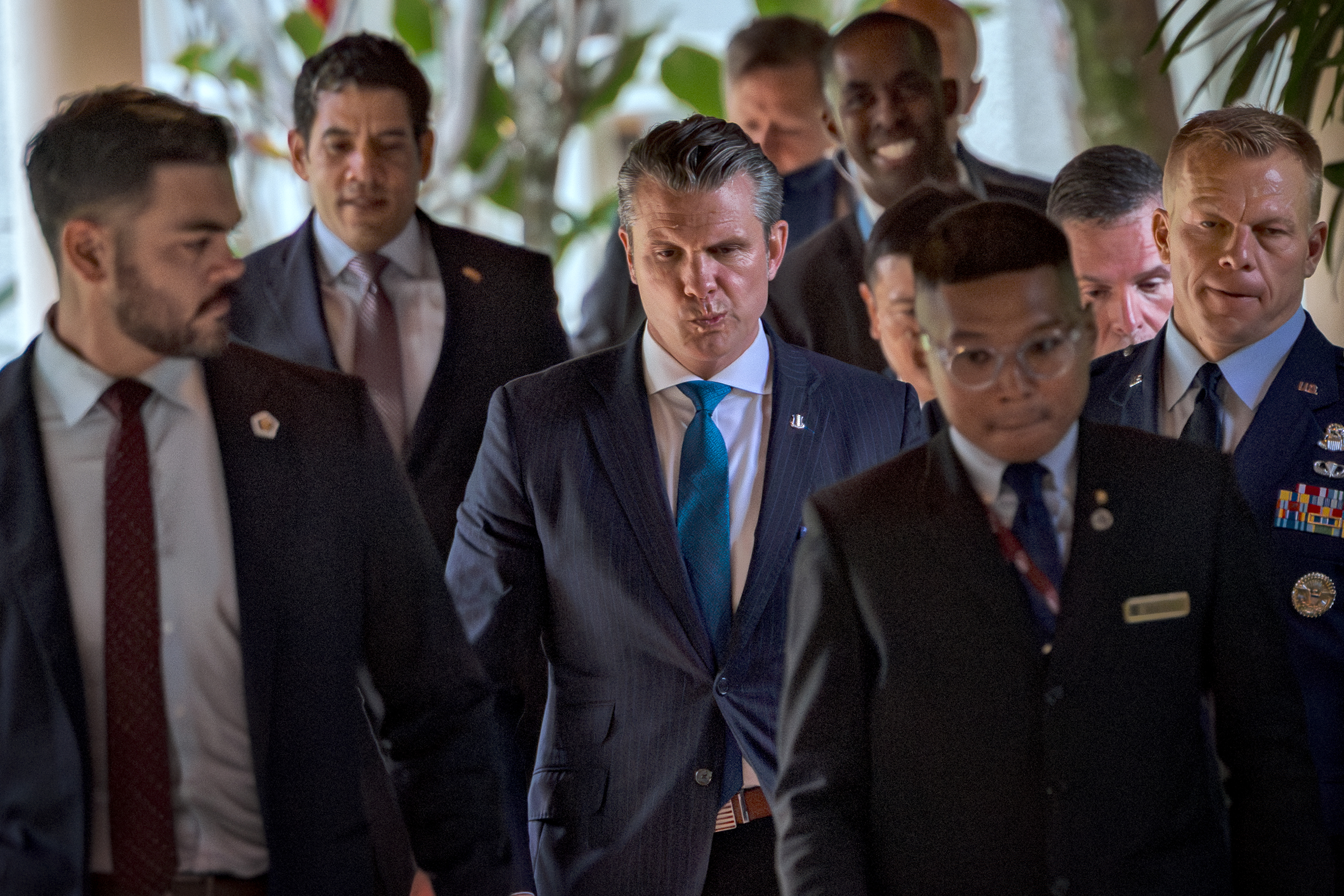
In a letter sent late Tuesday, committee leaders requested all communications, memos, and legal reviews related to the firings of the Chairman of the Joint Chiefs of Staff, the Chief of Naval Operations, and the Air Force Vice Chief of Staff, among others.
The request marks the first major congressional inquiry into a wave of removals that began shortly after President Donald Trump returned to the White House. Lawmakers from both parties have expressed concern that the dismissals, which also included the Judge Advocate General of the Army, could undermine the military’s apolitical tradition and erode civilian control of the armed forces. “We need to understand the rationale behind these decisions,” said Representative Mike Rogers, the committee’s chairman, in a statement accompanying the letter.
The committee, which oversees military personnel and policy, gave the Pentagon until early next month to produce the requested documents. The letter specifically asks for any internal assessments that warned of potential risks to operational readiness or morale as a result of the leadership changes. It also seeks details on who within the administration initiated the firings and whether the White House consulted with senior uniformed leaders before acting.
Defense Department officials have declined to comment on the inquiry, citing the ongoing review of personnel actions. However, a spokesperson said the department would cooperate with the committee’s request “to the fullest extent permitted by law.” The Pentagon has already moved to install acting replacements for the dismissed officers, including a new Chairman of the Joint Chiefs of Staff who was confirmed by the Senate last week.
The dismissals have drawn sharp criticism from retired generals and former defense secretaries, who argue that the removals could deter talented officers from seeking senior command roles. Some have pointed to the firing of the Air Force Vice Chief of Staff, a position traditionally insulated from political turnover, as a particularly troubling precedent. “This is not about any single individual,” said Senator Jack Reed, the ranking Democrat on the Senate Armed Services Committee. “It is about the principle that our military leaders should not be removed for partisan reasons.”
Supporters of the president have defended the actions, arguing that a commander in chief is entitled to select military leaders who share his strategic vision. White House press secretary Karoline Leavitt told reporters that the firings were “long overdue” and aimed at removing officials who had “politicized the Pentagon.” She declined to provide specific examples of misconduct or policy disagreements that prompted the dismissals.
Global Repercussions
The leadership upheaval has also drawn attention from U.S. allies, who rely on stable military-to-military relationships. European and Indo-Pacific defense officials have privately expressed unease about the rapid turnover, according to diplomatic cables reviewed by The Chronicle Page. NATO diplomats in Brussels have sought assurances that the changes will not affect joint planning or intelligence sharing, particularly regarding the war in Ukraine.
The committee’s investigation is expected to continue for several weeks. If the Pentagon fails to comply with the document request, lawmakers have threatened to issue subpoenas. The standoff underscores a growing rift between the executive branch and Congress over the scope of presidential power in national security matters, a debate that is likely to intensify as the administration signals further personnel changes across the defense establishment.