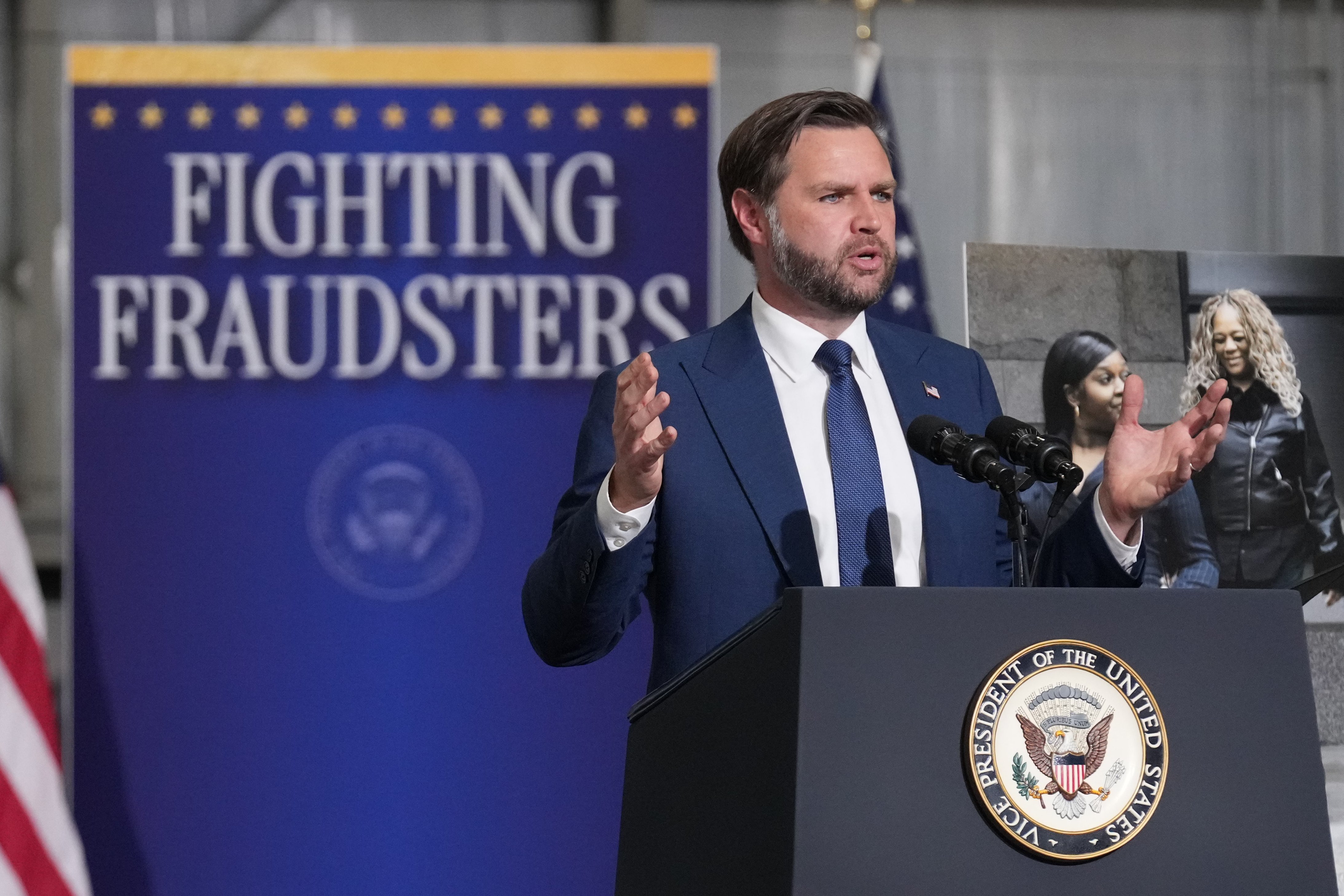
The blunt assessment came as party leadership struggles to unite its narrow majority behind legislation that would impose stricter eligibility checks on federal benefit programs, a cornerstone of the GOP’s broader spending-cut agenda.
The internal rift has exposed a familiar fault line between the party’s conservative wing, which views the crackdown as essential to reducing the national debt, and a bloc of moderates from competitive districts who fear that tighter rules could strip benefits from vulnerable constituents. These centrist members, several of whom face difficult reelection fights next year, have privately warned leadership that a high-profile fight over benefit cuts could hand Democrats a potent campaign weapon.
At the heart of the dispute is the proposed legislation’s scope. Hard-line conservatives are pushing for mandatory data-matching requirements and new documentation standards for recipients of programs like Medicaid and food assistance. But moderate Republicans argue that such provisions, while popular in theory, become politically untenable when applied to specific cases, such as elderly recipients who struggle to navigate new paperwork or working families who might be disqualified on technicalities.
Leadership had hoped to fast-track the bill to the floor as a show of fiscal discipline, but the whipping operation has hit a wall. With a majority so slim that only a handful of defections can sink a vote, Speaker Mike Johnson’s team is now weighing whether to water down the most contentious provisions or delay a vote altogether. One senior GOP aide acknowledged that the timeline is “fluid” and that negotiations are ongoing.
Political Peril in the Details
The standoff underscores a deeper strategic problem for the GOP. While polling shows broad bipartisan support for the idea of rooting out waste and fraud, the party’s base expects action, not just rhetoric. Conservative advocacy groups have begun running ads in key districts demanding a vote, while moderate members face a competing pressure from local media and advocacy organizations warning of harm to their communities.
Democrats, for their part, have remained largely unified in opposition, framing the effort as a pretext for benefit cuts. They have signaled they will force a series of procedural votes designed to highlight specific, unpopular consequences of the bill, a tactic that has already spooked some Republican freshmen who campaigned on protecting Social Security and Medicare.
The impasse leaves GOP leaders with a difficult choice: risk a humiliating floor defeat that would embolden Democrats, or retreat and anger the party’s right flank, which has already threatened to use procedural tactics to stall other legislative priorities. One Republican strategist close to the negotiations described the situation as a “no-win scenario” that could bleed into the upcoming appropriations fight, where the anti-fraud language is seen as a bargaining chip.
For now, the bill remains in limbo, a symbol of the party’s struggle to translate its campaign-year promises into governing reality. As one veteran GOP lawmaker put it privately, the conference is learning that it is far easier to rail against fraud on the stump than to agree on what to do about it in the halls of Congress.