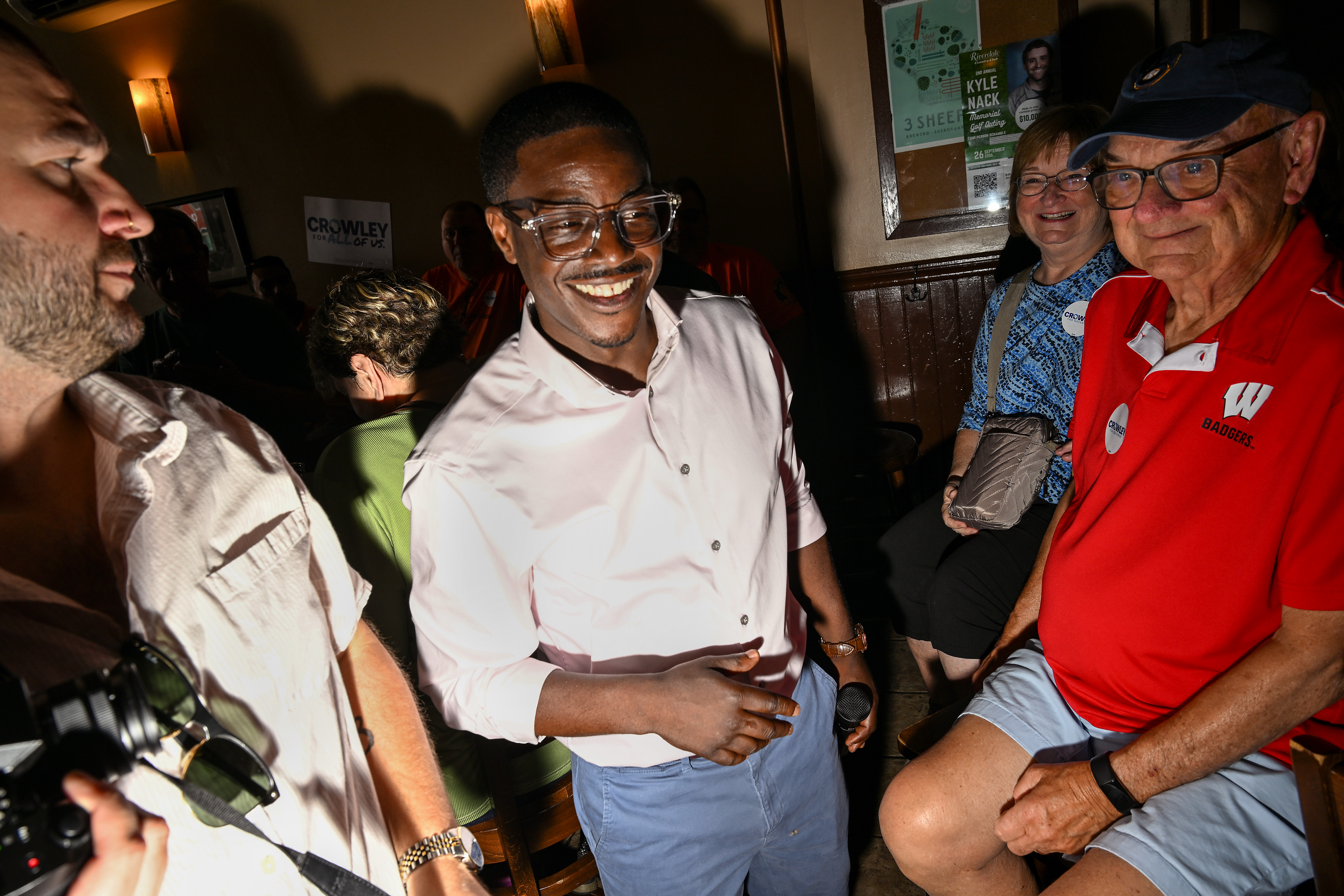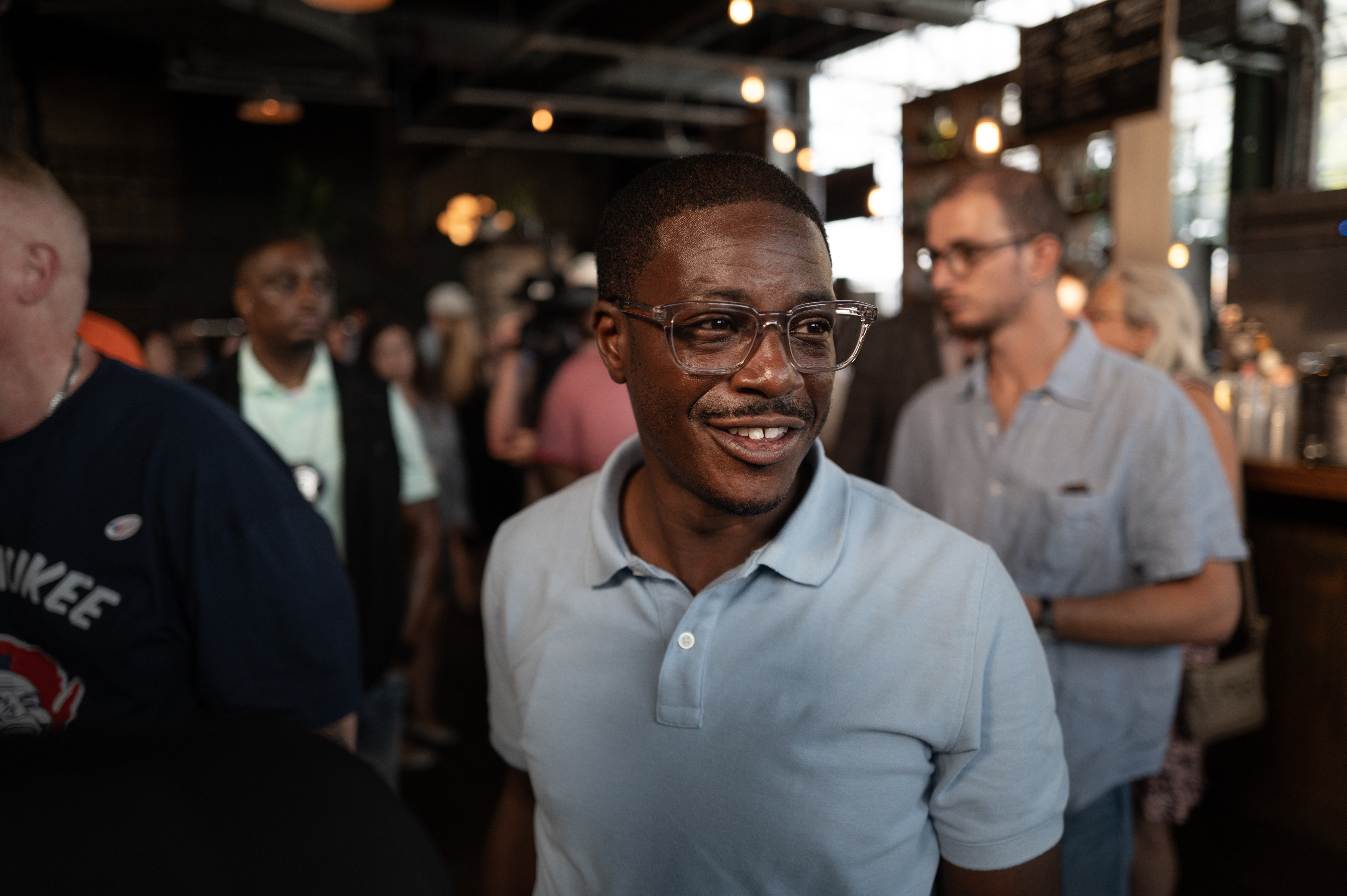
After unseating two-term incumbent Francesca Hong in the Democratic primary, Crowley did not linger on the intraparty fight, instead training his sights on the man he has always considered the true obstacle. "The real opponent has always been Tom Tiffany. That remains true today," he said in prepared remarks, a direct acknowledgment of the Republican congressman waiting for him in the fall.
Crowley’s victory marks a significant shift for the district, which had been represented by Hong, a prominent democratic socialist whose progressive platform had energized a vocal base of supporters. The primary contest was closely watched as a barometer of the party’s ideological direction, with Crowley’s more moderate approach ultimately resonating with a majority of Democratic voters. His win signals a potential recalibration of priorities for the general election, where appealing to independent and swing voters will be paramount.
The incoming nominee’s immediate pivot to Tiffany underscores the strategic calculus of his campaign. By framing the race as a binary choice between himself and the Republican incumbent, Crowley is seeking to consolidate Democratic support and cast the November election as a stark contrast in governing philosophies. His prepared remarks left little room for ambiguity about his focus, avoiding any extended commentary on Hong’s record or the primary battle itself.
Hong, who had campaigned on a platform of sweeping healthcare reform and aggressive climate action, conceded the race after a tense evening of vote counting. Her loss represents a setback for the progressive wing of the party in Wisconsin, which had hoped to retain a foothold in a district that has trended competitive in recent cycles. Crowley’s success suggests a segment of the electorate was receptive to a message centered on electability and bipartisan pragmatism.
A united front for November
In the immediate aftermath of his win, Crowley’s rhetoric was designed to bridge the gap between the party’s factions. He avoided any triumphant or divisive language regarding his primary opponent, instead emphasizing the shared goal of defeating Tiffany in the general election. This appeal to unity is seen as a critical first step in healing the wounds of a contentious primary and ensuring a full turnout from the Democratic base in November.
Tiffany, who has held the seat since 2020, enters the general election as the favorite in a district that leans Republican. Crowley’s campaign will now need to translate his primary momentum into a broader coalition, a task that will require winning over voters who may have supported Hong in the primary but are skeptical of moderate positions. His ability to frame the race around Tiffany’s record, rather than his own primary victory, will likely define the coming months.
The general election contest is expected to be one of the most closely watched in the state, with national attention focused on whether Crowley can replicate his primary success in a wider electorate. For now, the Democratic nominee is projecting a sense of purpose and discipline, making clear that the work of defeating Tiffany has already begun. The unity he called for on election night will be put to the test as the campaign shifts into high gear.