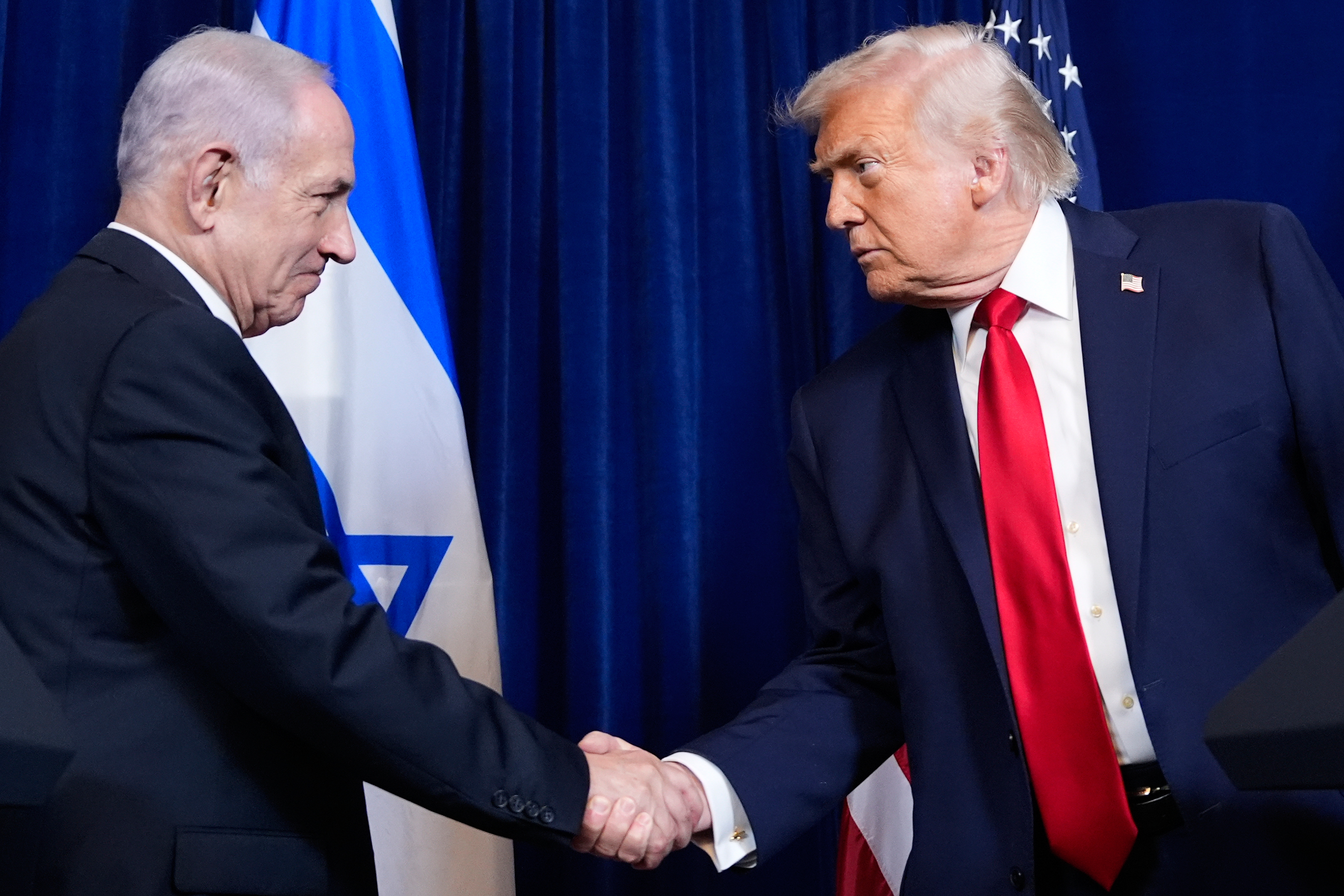
The rejection, which came despite direct appeals from senior U.S. officials, has left allies questioning whether the White House retains any meaningful leverage over its closest regional partner.
According to multiple diplomatic sources familiar with the discussions, the episode marks a turning point in how foreign governments assess American influence in the region. The concern is no longer simply that a deal is elusive, but that the administration’s credibility as an honest broker has been fundamentally compromised, making future mediation efforts all but futile in the eyes of key players.
One European diplomat described the situation as a “zero-sum” loss for Washington, noting that Netanyahu’s defiance has effectively signaled to other regional actors that U.S. pressure can be ignored without consequence. The diplomat added that this perception could embolden other parties to harden their own positions, further destabilizing an already volatile security environment.
The failed push has also strained internal dynamics within the Trump administration, which had publicly staked its reputation on securing a swift resolution. Officials had framed the proposed deal as a diplomatic breakthrough, only to see it collapse in real time, leaving the White House scrambling to explain a setback that was broadcast across global headlines.
A Question of Leverage
Allied governments are now reassessing their own strategies, with several privately urging Washington to adopt a more forceful posture toward Jerusalem. However, diplomats concede that the window for such a shift may have already closed, given the president’s historical reluctance to apply sustained public pressure on Netanyahu.
The broader implication, according to analysts cited by the diplomats, is that the administration’s “maximum pressure” approach has proven ineffective when applied to an ally with deep domestic political ties to the White House. This has led to a growing sentiment among NATO and Gulf partners that the U.S. may no longer be a reliable guarantor of diplomatic progress in the region.
While the White House has not publicly acknowledged any loss of standing, the internal mood is described as defensive. Several aides are reportedly urging a pivot toward other regional files to change the subject, though allies warn that such a move would do little to restore faith in American mediation.
For now, the diplomatic consensus is grim: the Trump administration’s negotiating efforts in Israel cannot recover, and the region’s most pressing conflicts will likely proceed without meaningful U.S. arbitration. As one Asian diplomat put it, the episode has taught every leader in the region a simple lesson about American power, and it is not the one Washington intended to teach.