Croix, the Trump administration is quietly trying to lure private investors back to a string of idled oil refineries, hoping to revive dormant fuel factories that once supplied the nation’s gasoline and diesel.
The effort, led by White House officials, targets facilities that have sat mothballed for years, victims of shifting energy markets and tightening environmental regulations. By encouraging fresh capital into these sites, the administration aims to boost domestic fuel production and reduce reliance on imports, according to people familiar with the discussions.
The push comes as the White House seeks to counter rising gasoline prices and bolster energy security. California, which has seen several refineries close in recent years amid the state’s aggressive climate policies, is a primary focus. The state’s remaining plants have struggled to meet demand, contributing to some of the highest pump prices in the country.
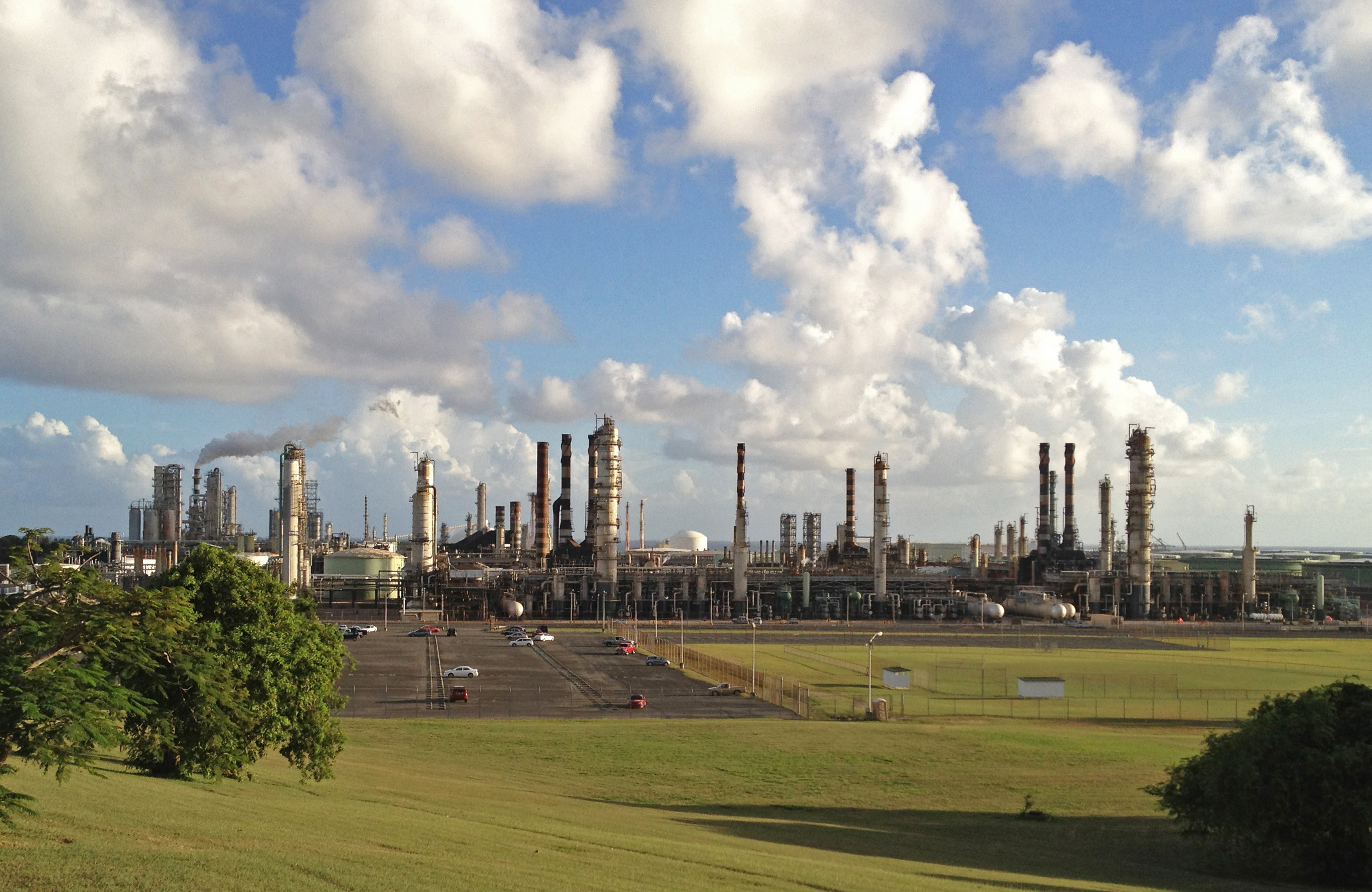
Beyond the mainland, the administration has also set its sights on the St. Croix refinery in the U.S. Virgin Islands. That facility, once one of the largest in the Western Hemisphere, has been shuttered since 2012 after a series of ownership changes and financial troubles. Restarting it would require significant investment and regulatory approvals, but officials view it as a strategic asset for supplying the East Coast.
The White House has not proposed direct government funding for the restarts. Instead, it is relying on a combination of regulatory flexibility, permitting reforms and private-sector interest to make the economics work. Administration officials have held meetings with potential investors, including private equity firms and independent refiners, to gauge appetite for the projects.
Economic and environmental hurdles remain
Reviving idled refineries is no small task. Many of the targeted sites require extensive maintenance and upgrades after years of inactivity, costs that can run into the hundreds of millions of dollars. Investors also face uncertainty over future fuel demand as the global economy slowly shifts toward electric vehicles and renewable energy.
Environmental groups have already signaled opposition, warning that restarting old refineries would lock in fossil fuel infrastructure and increase pollution in nearby communities. In California, any new operations would need to comply with the state’s Low Carbon Fuel Standard, a complex regulatory framework that penalizes high-carbon fuels.
Despite these challenges, the administration sees an opportunity. With refining capacity in the United States having declined by roughly 1 million barrels per day since 2020, according to industry data, domestic gasoline and diesel supplies have tightened. The White House believes that reopening shuttered plants could help stabilize markets and provide a buffer against future supply disruptions.