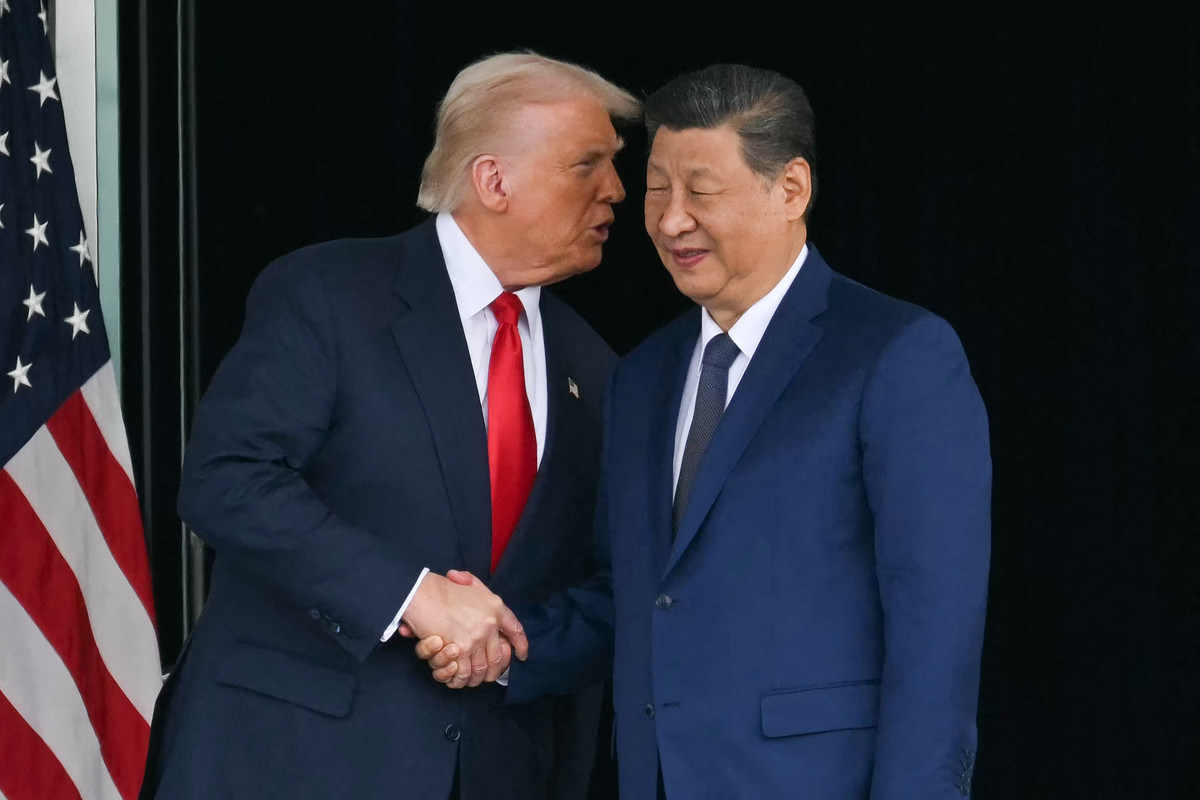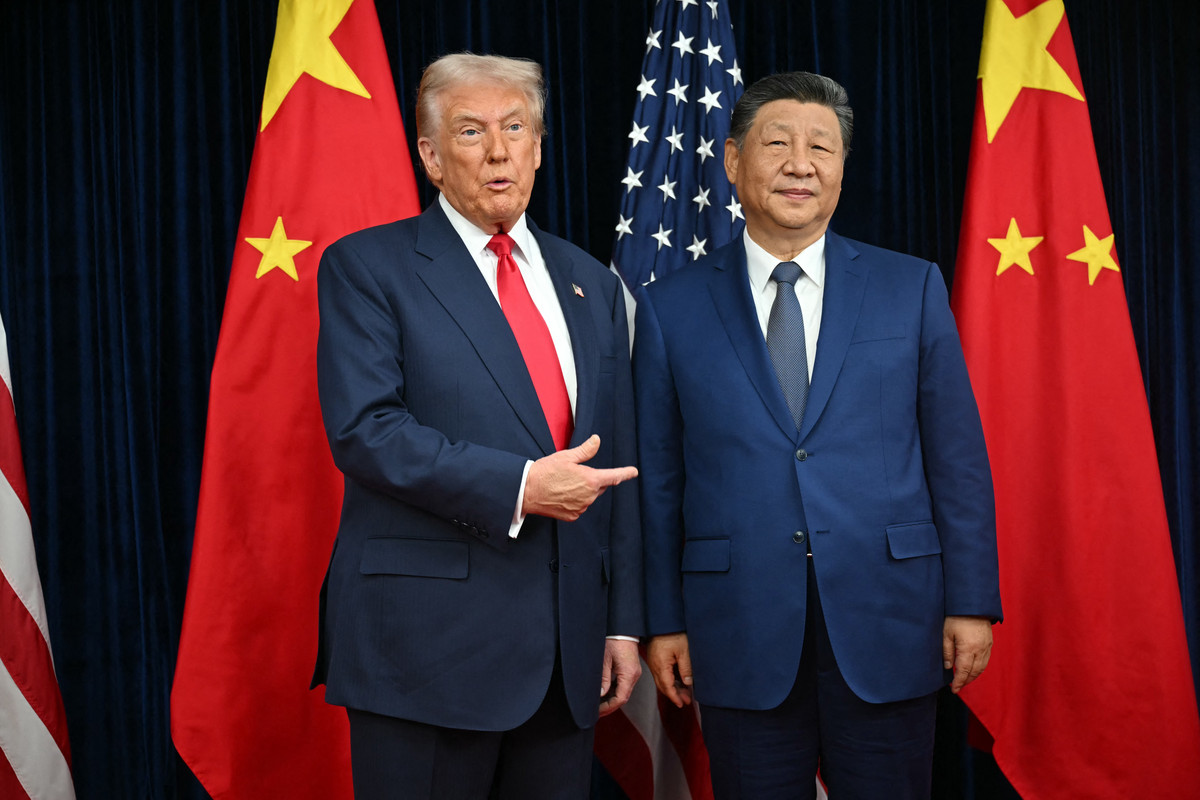
The fate of a national strategy to bolster a critical industry, they learned, now rests on a handshake between two men half a world away.
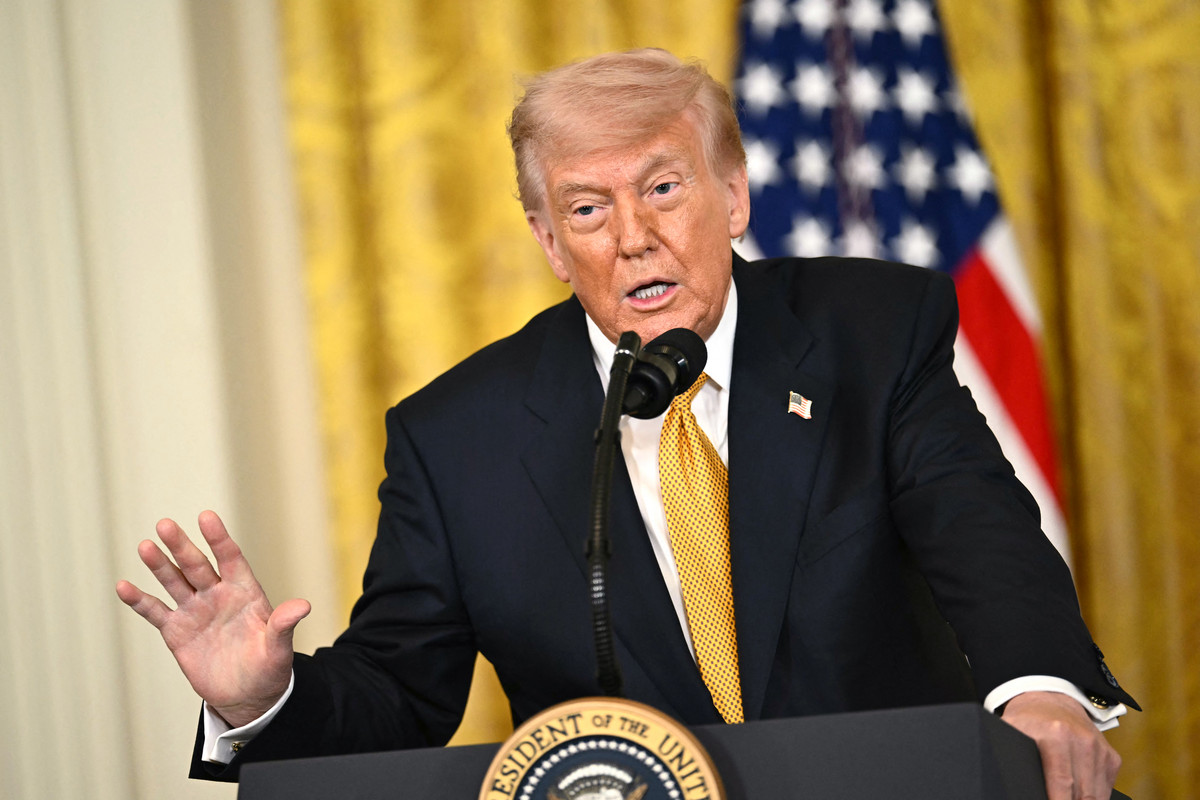
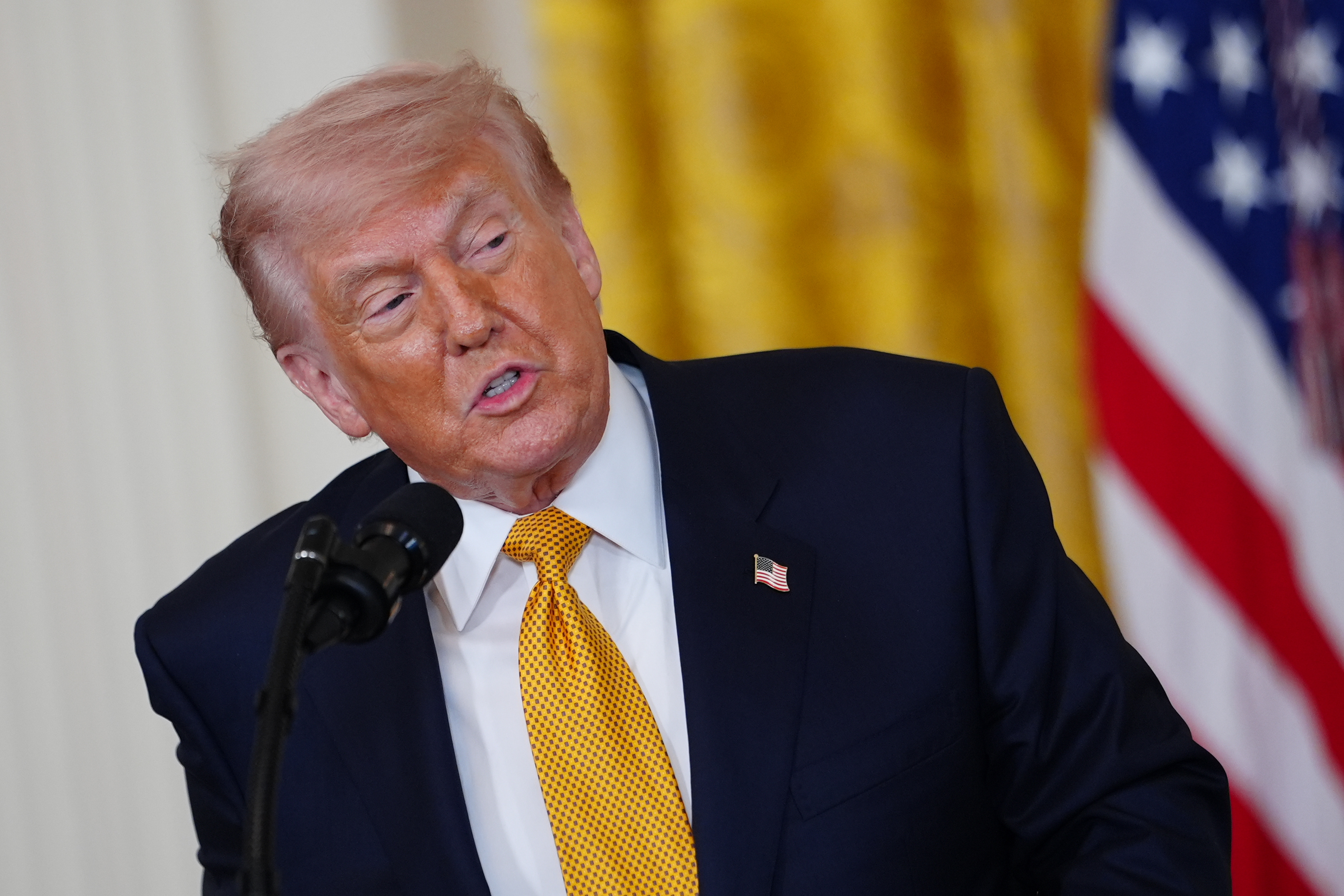
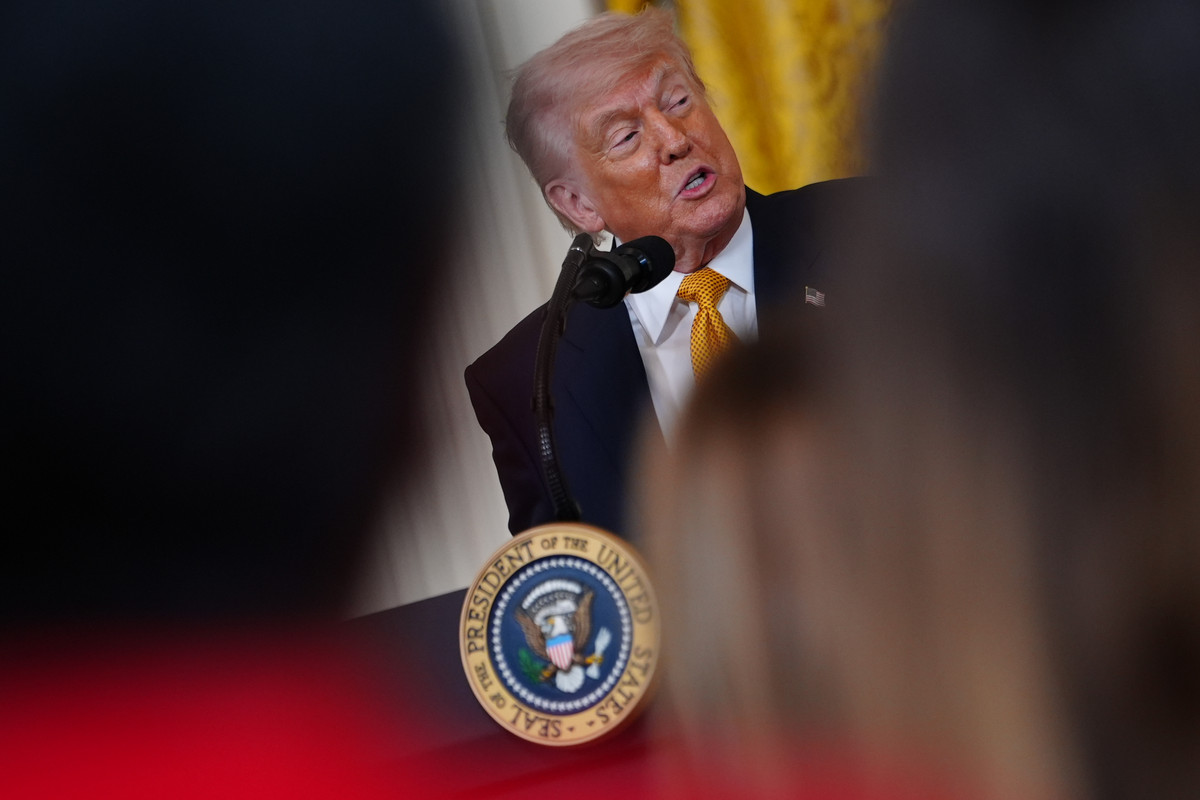
The release of a comprehensive U.S. robotics strategy, potentially including an executive order, has been put on hold. Officials are gauging how aggressively to confront China's booming sector, a decision now inextricably linked to the tone set by President Donald Trump’s upcoming meeting with Chinese President Xi Jinping. The summit, delayed from March to May due to global tensions, has scrambled the policy timeline.
“All of the policies that specifically mention China are on pause because of the need to create some goodwill and space ahead of the meeting,” said a robotics industry executive involved in Washington discussions. The administration, according to an official, wants to avoid inflaming tensions with Beijing ahead of the delicate talks.
This pause has tied the technological future of American manufacturing and defense to broader geopolitical aims. Robots are seen as the physical gateway for artificial intelligence into factories, capable of offsetting labor shortages and boosting productivity. Industry leaders warn that if China continues to automate its manufacturing base faster, the gap in both commercial and defense production could become a chasm.
Industry Awaits Post-Summit Path
The U.S. robotics sector is lobbying for aggressive federal support to compete. Their wishlist includes tax incentives to spur adoption, government purchases for defense and logistics, and federal backing for workforce training and public-private partnerships. The desired outcome is a coordinated national effort to accelerate deployment.
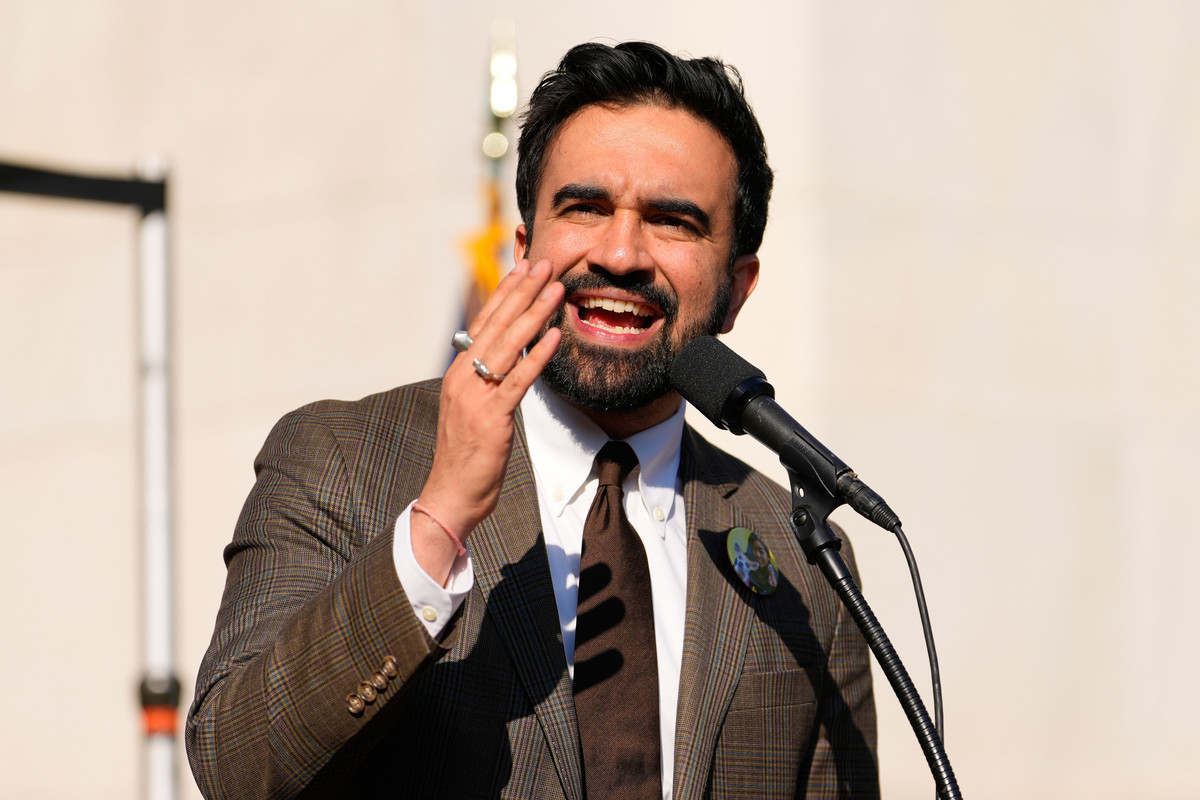
“No matter how the meeting goes, the underlying facts remain the same,” said Michael Robbins, president of the Association for Uncrewed Vehicle Systems International. “China is undertaking a massive, coordinated campaign to win this industry by muscling out the U.S. and other Western countries – we’re already falling behind, so the policy actions shouldn’t change.”
While the overarching strategy is stalled, narrower trade actions are advancing. The Department of Commerce is conducting a national security review of imports of robotics-related materials, with recommendations due to the president by month’s end. This could lead to tariffs or import restrictions independent of the summit's outcome.
The administration now faces a binary post-summit choice. A hardened stance against Xi could trigger strict trade restrictions on robots framed as national security risks. A continuation of the trade detente, however, would likely force a softer-toned strategy, one that industry fears may not match the scale of the challenge posed by China's state-directed dominance.