But the very strategy intended to cement GOP dominance carries a volatile political cost: the risk of galvanizing a Democratic backlash and alienating the growing bloc of swing voters who recoil at the sight of partisan gerrymandering.
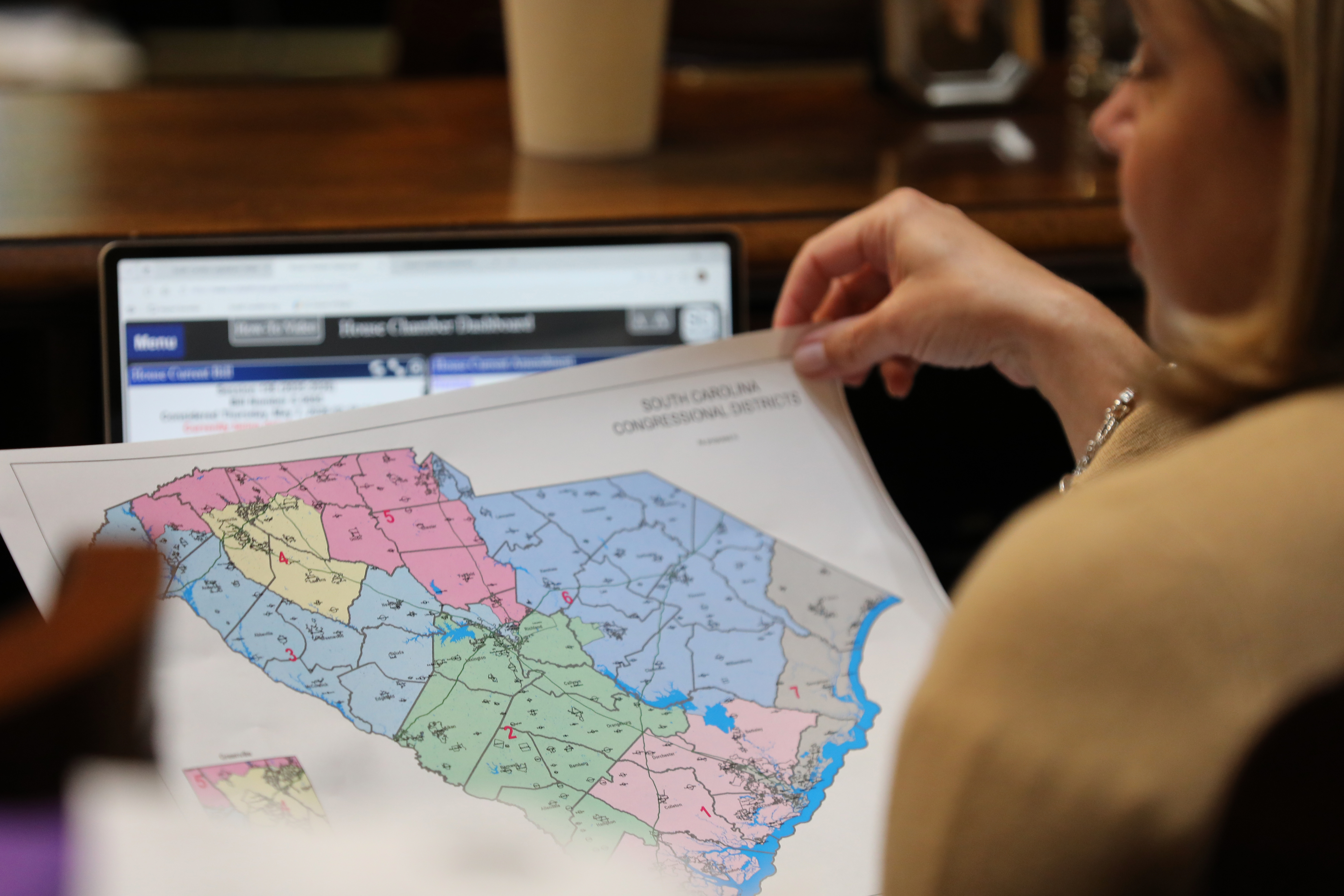
The party’s push to draw aggressively favorable lines, encouraged by former President Donald Trump, is based on a familiar arithmetic. By packing Democratic voters into a few deep-blue districts and spreading Republican-leaning voters across many more, the GOP hopes to offset the natural demographic shifts that have made states like Georgia and Arizona more competitive. Yet this approach, once a reliable shield, now looks increasingly like a double-edged sword.
Legal battles and court rulings in states such as North Carolina and Ohio have already thrown some maps into disarray, with state supreme courts striking down plans they deemed excessively partisan. These rulings, often decided by narrow margins, have forced Republicans back to the drawing board, costing them precious time and political capital. More critically, the spectacle of partisan map manipulation has proven a potent rallying cry for Democratic organizers, who have used the issue to mobilize donors and volunteers in otherwise apathetic suburban districts.
The risk is particularly acute in the fast-growing suburbs that have drifted away from the GOP in recent years. Voters in places like Atlanta’s northern suburbs or the Dallas-Fort Worth exurbs, many of whom are college-educated and fiscally conservative but socially moderate, tend to prize fairness in the political process. When they see maps drawn to entrench incumbents and silence their own growing influence, their loyalty to the party erodes. A redistricting plan that squeezes a few extra Republicans into safe seats could simultaneously push these crucial voters further into the arms of Democrats.
A New Electorate, a New Calculus
Beyond the immediate legal and suburban perils, the GOP’s redistricting drive must contend with a rapidly diversifying electorate. New voters, particularly naturalized citizens and young people of color, are entering the rolls in record numbers in states like Texas and Florida. Aggressive gerrymandering that dilutes their representation does not simply suppress their votes; it often inspires them to organize and turn out in even greater force, as seen in the surge of Democratic registration after the 2020 census fights.
Republican strategists argue that the party has no choice but to maximize its structural advantages while it still can. With the Electoral College map tightening and the House majority hanging by a thread, they see redistricting as a necessary defensive measure. But the gamble assumes that voters will not punish the party at the ballot box for the very maps that benefit it. History suggests otherwise. The backlash to the GOP’s aggressive gerrymandering in 2010 helped fuel the Tea Party’s rise, but it also laid the groundwork for the suburban revolt that cost the party the House in 2018.
The irony is that the very tactics Trump is championing may end up delivering the opposite of what he intends. By pursuing a strategy that inflames Democratic turnout and repels independent voters, Republicans could find themselves in a cycle of diminishing returns: winning a few extra seats through map manipulation only to lose a dozen more through the voter backlash it provokes. In the long run, the party might discover that the most durable path to power lies not in drawing better lines, but in building a broader coalition.