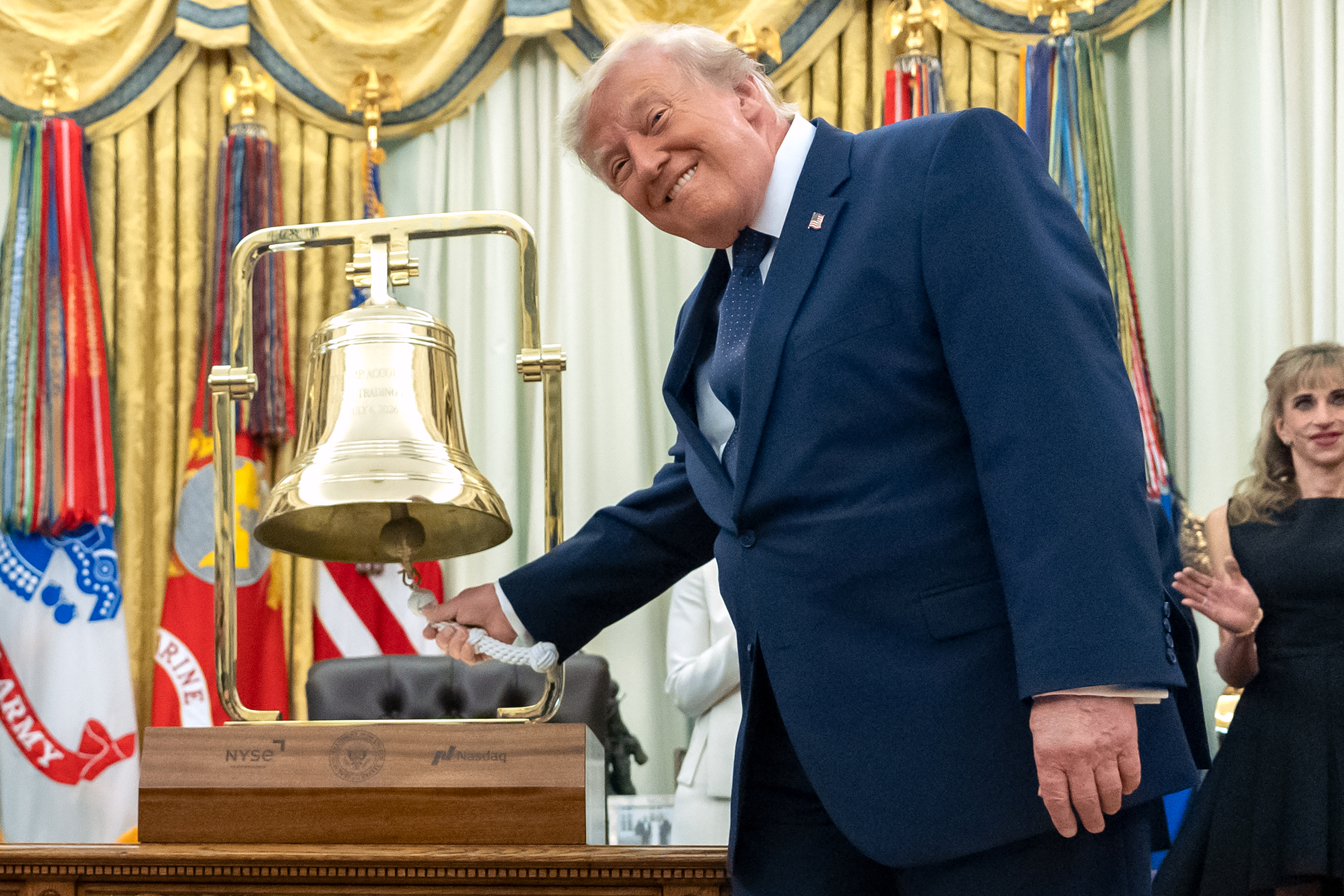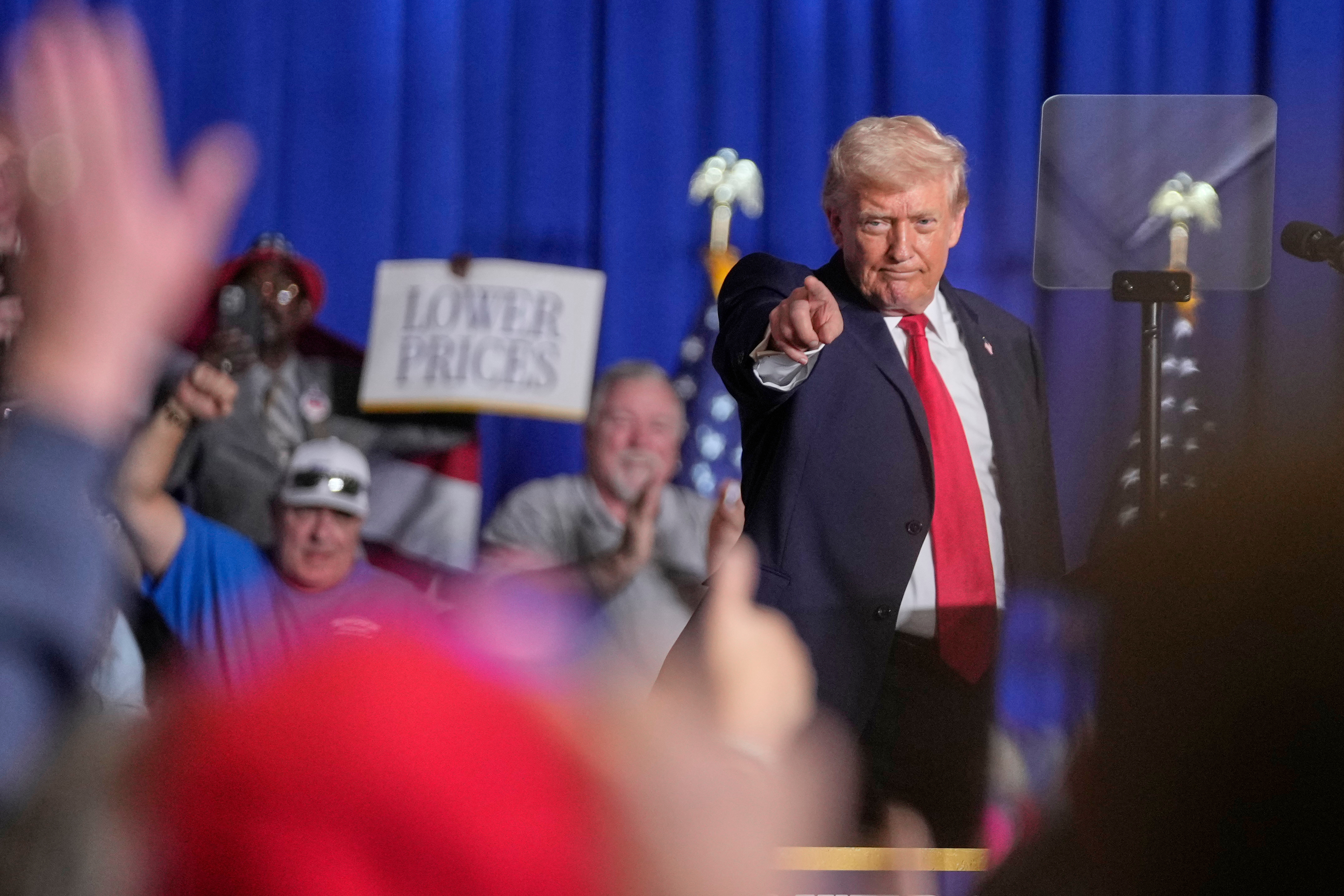
The trip, coming just months before voters cast ballots in the midterm elections, was seen by political observers as a deliberate effort to rally support around issues like tax cuts and trade.
The visit underscored a growing concern within the White House that the political conversation has drifted from what they view as favorable terrain. With congressional control at stake, the administration is seeking to emphasize strong job growth and low unemployment figures, which they argue are direct results of their policies.
Iowa, a state heavily dependent on agricultural exports, presents a complex economic case for the President. While the tax cuts passed last year are popular with many business owners, the state's farmers are acutely sensitive to the repercussions of ongoing trade disputes and the imposition of tariffs on key commodities like soybeans.
The strategic pivot to economic messaging suggests campaign officials believe retaining Republican majorities in Congress hinges on voter satisfaction with the financial landscape. By visiting a heartland state central to his 2016 victory, the President aimed to solidify his base and address specific economic anxieties.
Political analysts note that midterm elections are often a referendum on the sitting president's performance. The administration's decision to highlight economic achievements indicates a belief that this issue outweighs others in motivating their coalition to vote in November.