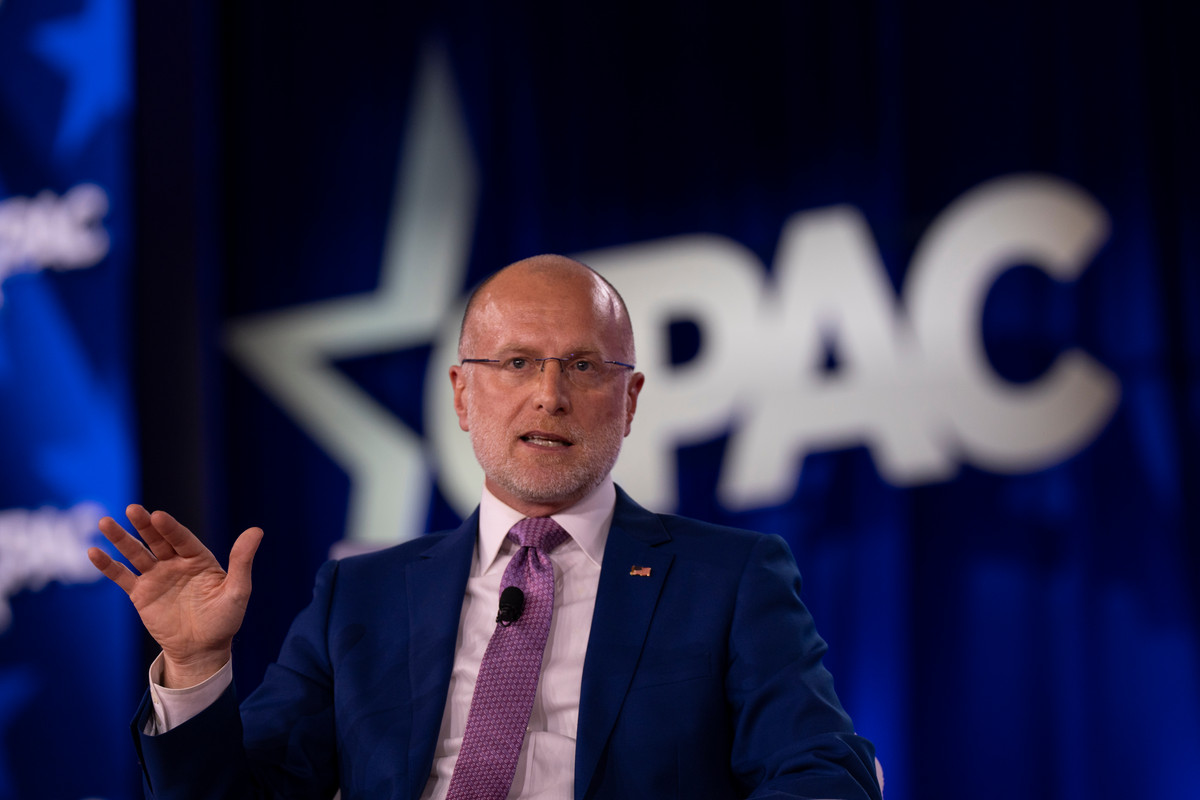
Now its chairman, Brendan Carr, is turning to a more delicate task: giving local broadcasters the power to drop network shows like Jimmy Kimmel without facing financial retribution.
Carr, who was elevated to the role of FCC chair under President Donald Trump, told reporters after the agency’s March 26 meeting that he is considering regulatory changes to make it easier for local stations to preempt network programming. Under current confidential contracts, stations can face steep penalties or even lose valuable content such as NFL games if they exceed preemption limits. Carr described those agreements as unduly restrictive and said he has raised the issue directly with network executives.
“There is a very healthy feedback loop when the local broadcasters could not just communicate their concerns to the national programmers but if need be, actually preempt,” Carr said. “I think we were better off. We have lost that.” The remarks signaled a broader ambition to restore what he views as a lost era of local leverage against the dominant television networks, including NBC and ABC.
The push comes as conservative-leaning station owners have gained market share under the Trump administration. The Nexstar-Tegna merger, approved by the FCC in recent weeks, is the most prominent example of a consolidation trend that Carr has encouraged as a way to strengthen local broadcasters against network control. Critics argue the policy risks concentrating media power in the hands of owners friendly to the White House.
Legal Levers and Network Pushback
Carr’s team is reviewing possible avenues for FCC intervention, including a regulatory presumption designed to shield stations from breach-of-contract claims when they preempt network shows. Under the current system, stations that drop programming too frequently can lose their affiliation status entirely, a threat that Carr has described as a tool for networks “to extract onerous financial and operational concessions” from local owners.
FCC spokespeople did not respond to requests for comment about the specifics of Carr’s plans or any concerns about the political implications. The agency’s chair has been a vocal critic of what he calls liberal bias in network programming, and his proposals could give conservative station owners a direct way to replace shows such as ABC’s “Jimmy Kimmel Live” with their own content.
The networks have pushed back privately, warning that weakening affiliate contracts could destabilize the local broadcasting ecosystem and reduce the quality of programming available to viewers. But Carr has shown little appetite for those arguments, framing the issue as one of local autonomy versus corporate overreach. The outcome of his review could reshape the balance of power between the country’s largest television networks and the local stations that carry their signals.