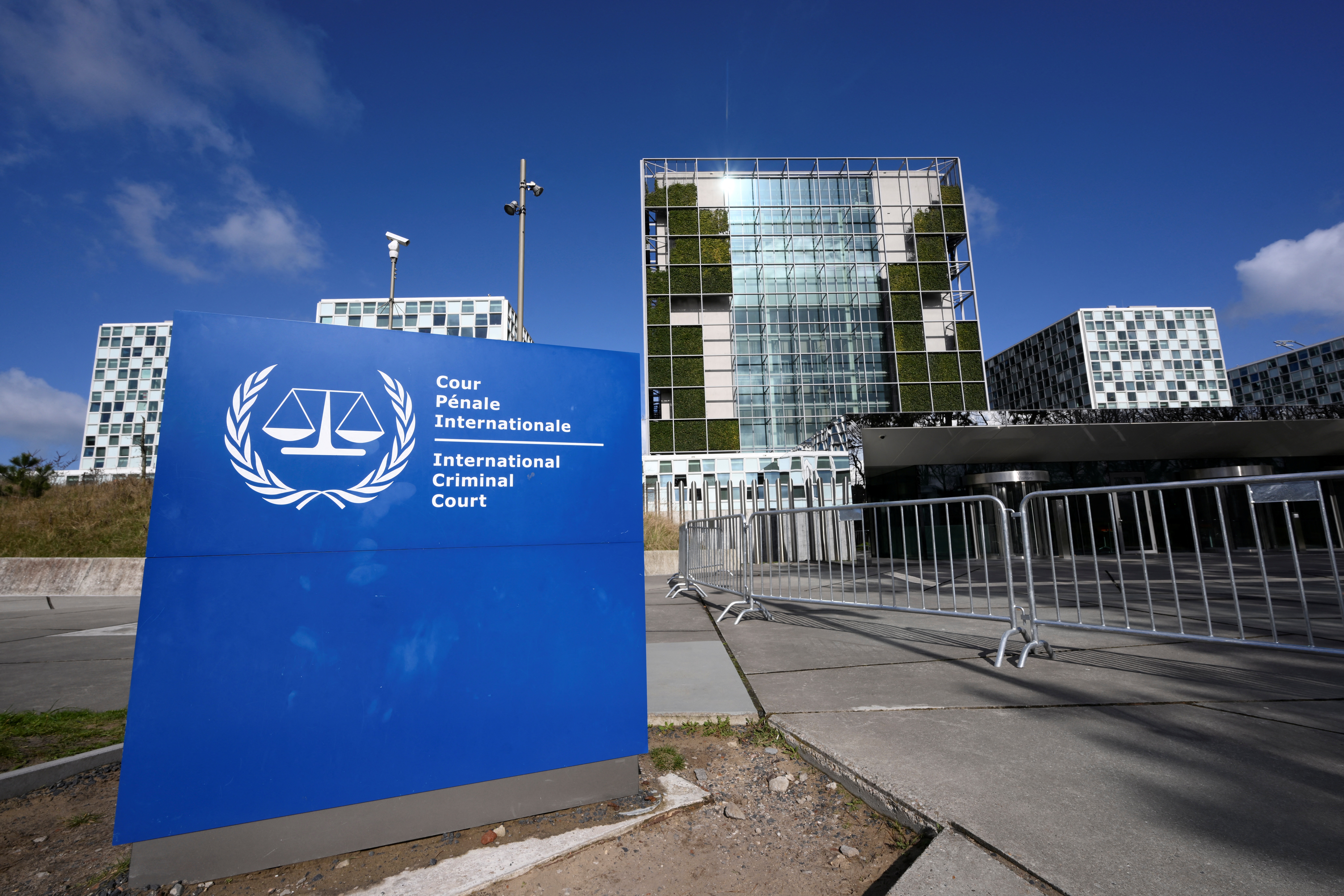
The concern, according to multiple administration officials, is not hypothetical. It is driving policy decisions now, particularly around the administration’s posture toward the International Criminal Court and other multilateral bodies.
The core fear is that so-called “woke” international institutions, emboldened by a post-Trump landscape, will target American officials for policies pursued during the president’s tenure. These include the withdrawal from the Paris climate accord, the imposition of tariffs on allies, and the use of executive orders that critics have called legally dubious. The administration sees these actions not as policy disagreements but as potential grounds for prosecution under evolving international legal standards.
This anxiety has manifested in a series of aggressive moves. The administration has imposed sanctions on ICC prosecutors, revoked visas for their staff, and threatened retaliation against any country that cooperates with investigations into American actions. Officials argue that these steps are necessary to protect national sovereignty, but critics say they reveal a deeper insecurity about the legitimacy of the president’s agenda.
The timing of this concern is telling. With the election approaching and polls showing a tight race, the administration is bracing for a potential loss of the legal protections that come with executive power. “They know that once the seal is gone, the shield goes with it,” one former State Department lawyer said. “And they are terrified of what happens next.”
A Legal Strategy Built on Fear
The administration’s legal strategy has thus become a kind of preemptive defense. Officials are working to delegitimize international law itself, framing it as a partisan tool wielded by liberal activists rather than a neutral arbiter of justice. This narrative has been pushed in closed-door briefings and public statements, with the president himself dismissing the ICC as a “kangaroo court” that has no jurisdiction over the United States.
The irony is not lost on legal scholars. The United States helped create many of these international institutions after World War II, and for decades it championed their role in holding rogue regimes accountable. Now, the same machinery is seen as a threat to American officials. “It is a remarkable reversal,” said a professor of international law at Georgetown University. “They built the cage and now they are afraid of being locked inside it.”
The administration’s fear may be overstated. No American official has ever been prosecuted by the ICC, and the court’s mandate is limited to the most serious crimes, such as genocide and war crimes. But the perception of risk is real, and it is shaping policy in ways that could have lasting consequences for America’s role in the world. For now, the president’s team is betting that a strategy of confrontation will keep the legal wolves at bay. The question is whether that bet will pay off once the power to grant pardons and immunity is gone.