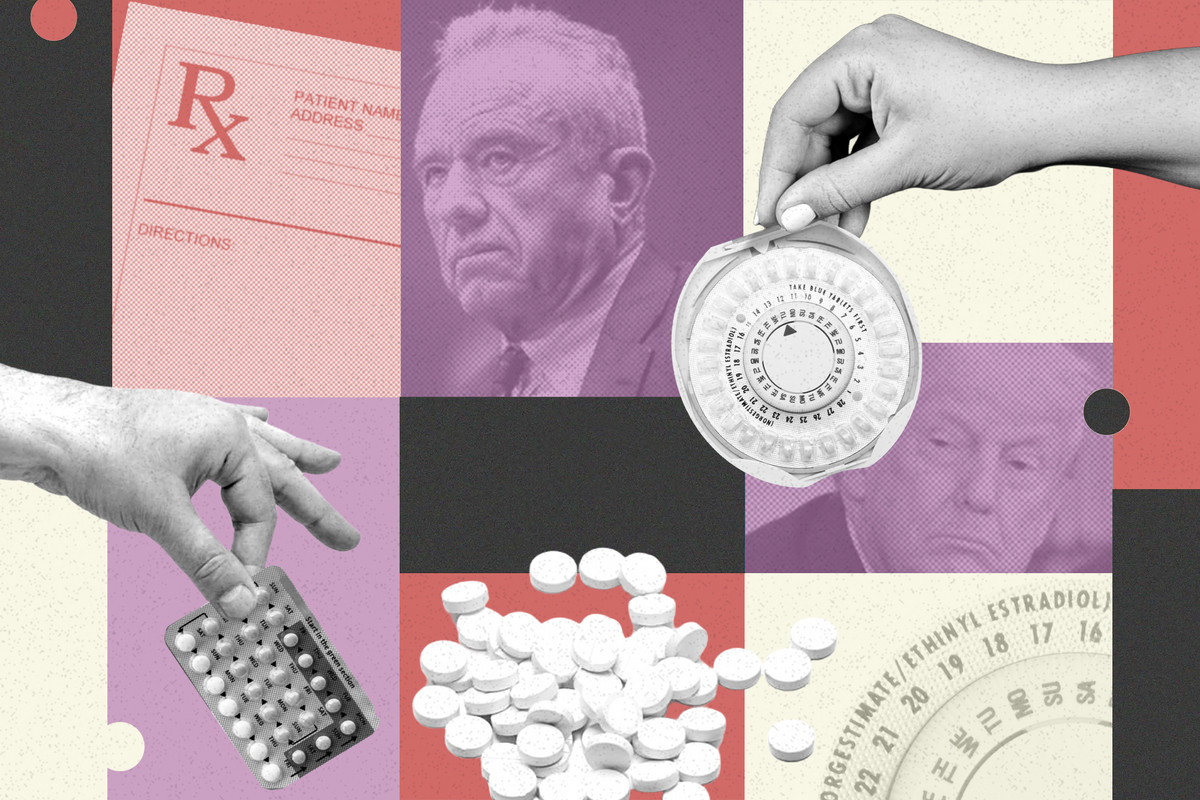
That changed this month when the Department of Health and Human Services released new guidance outlining a major overhaul of federal family planning programs, one that explicitly prioritizes childbirth over contraception and elevates “natural family planning” methods like period-tracking apps above far more effective options such as the birth control pill.
The policy shift represents the most serious executive effort to curb contraception in generations. The Trump administration is also poised to establish new regulations that would end further funding for Planned Parenthood chapters, according to officials familiar with the planning. Millions of Americans who rely on federally backed family planning services are likely to feel the consequences directly.
There is significant political risk attached to the move. Birth control remains overwhelmingly popular in the United States, with only 8 percent of Americans saying using contraception is morally wrong, according to Pew Research Center polling. More Americans object to drinking alcohol, getting a divorce or being extremely rich. Given this broad support, politicians have long been reluctant to target contraception directly.
So what changed? The unwieldy political coalition that sent President Donald Trump back to the White House in 2024 is clamoring for action. An alliance of MAHA adherents, social conservatives and pronatalists have all, for different reasons, become eager to go after birth control. With Trump sinking in the polls and his coalition fracturing, he may be seeking to deliver for his core supporters.
A New Front in the Culture War
The administration’s move signals a major transformation in America’s culture war. Contraception has gone from being politically untouchable to a real target on the right, a shift that would have been nearly unimaginable even a few years ago. Since the Food and Drug Administration approved the birth control pill in 1960, a broad consensus had held that access to contraception was settled law and settled politics.
Whether the policy succeeds or fails in court, the political signal is unmistakable. The new HHS guidance prioritizes “natural family planning” methods like fertility tracking apps over hormonal contraception, a preference rooted in the views of social conservatives who oppose most forms of artificial birth control. Pronatalists, who advocate for higher birth rates, see the policy as a way to reverse declining fertility, while MAHA adherents have amplified skepticism about hormonal contraceptives and their side effects.
For millions of Americans who depend on federal family planning programs, the practical impact could be immediate and severe. The policy shift, combined with the planned defunding of Planned Parenthood chapters, threatens to reduce access to the most reliable forms of contraception for low-income women and families. The coming months will test whether the political coalition demanding these changes can withstand the backlash from a public that has consistently shown it does not want to see birth control restricted.