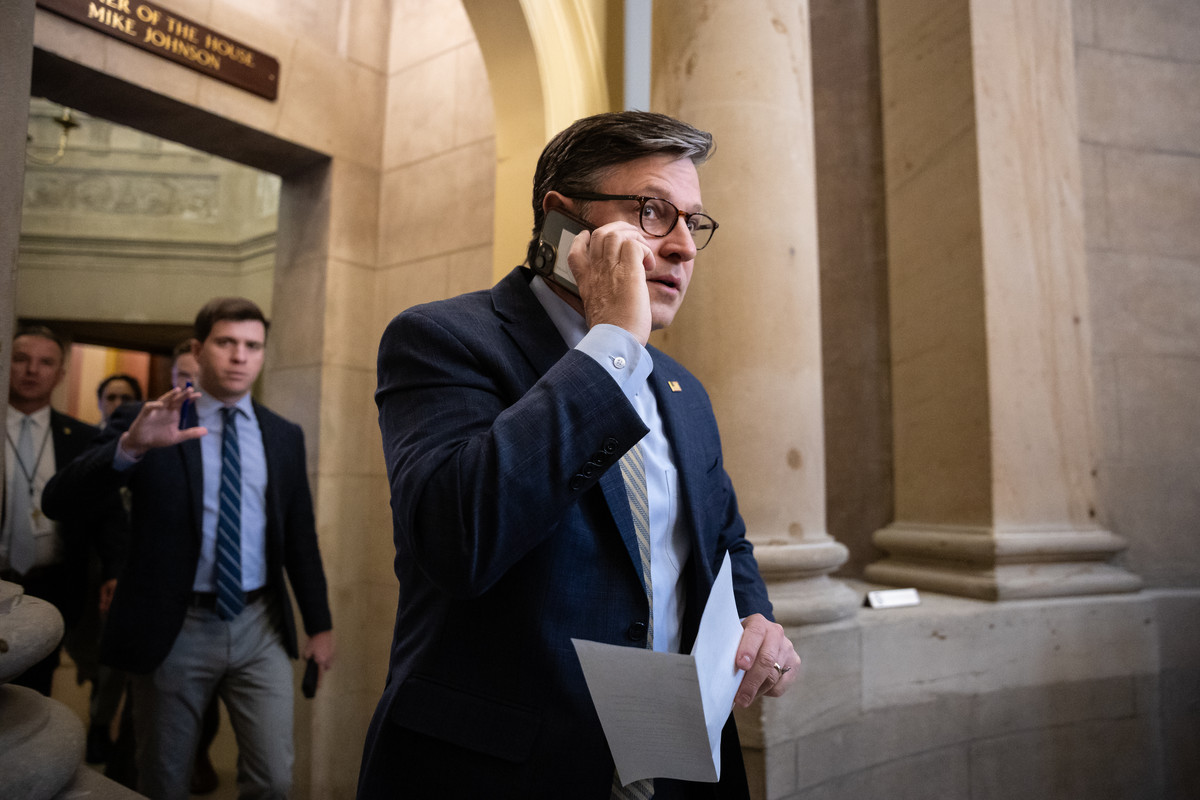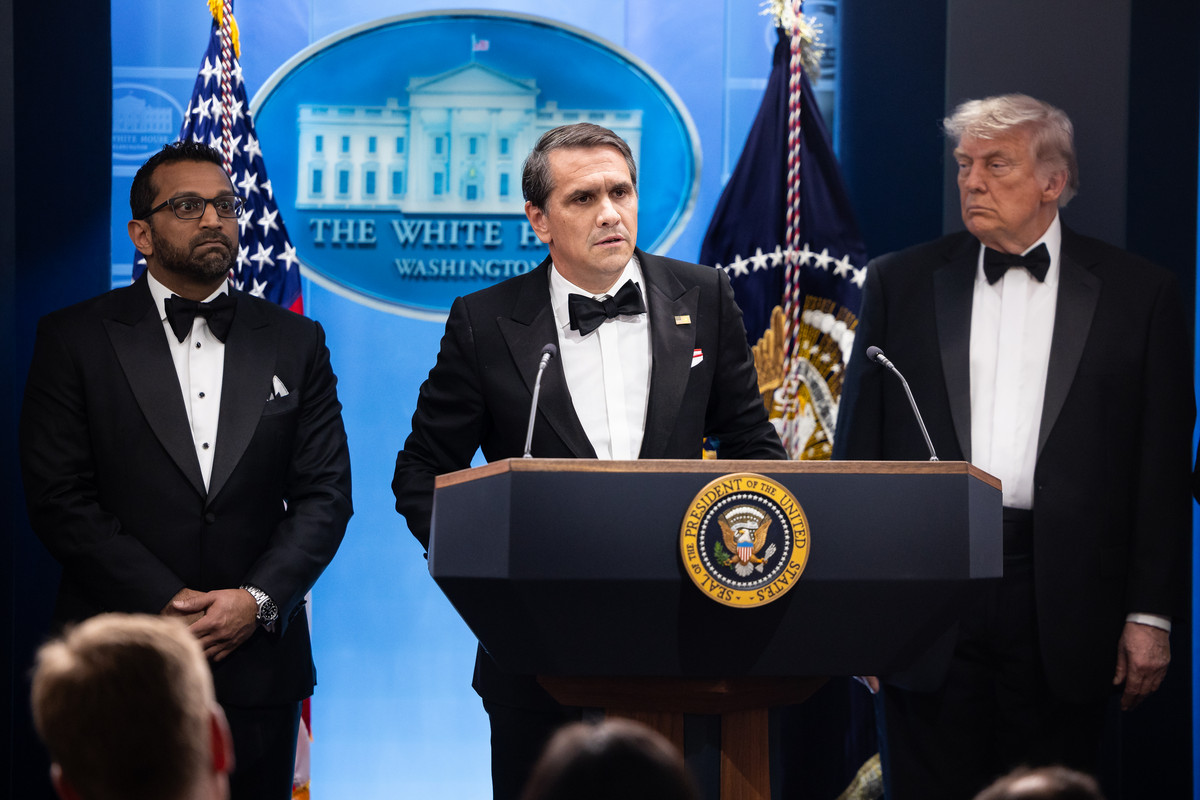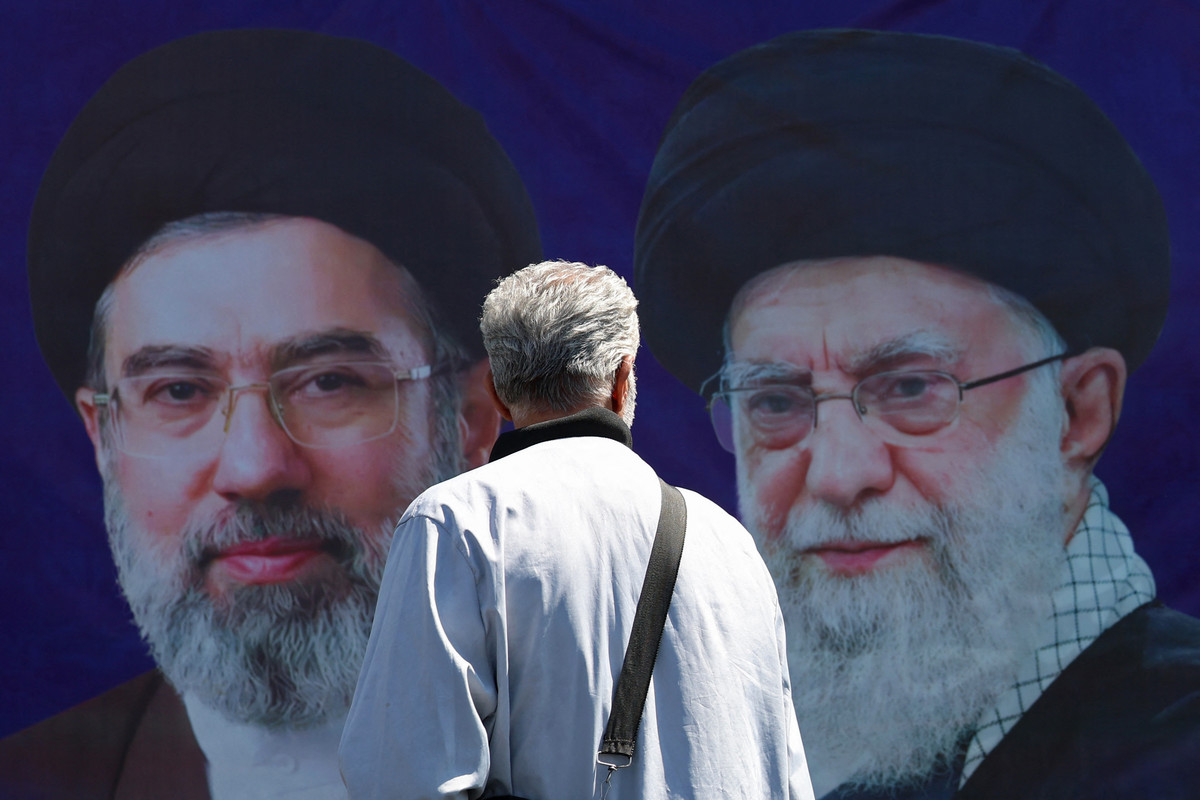
The image was a reminder that while President Donald Trump insists he feels no pressure to end the conflict with Iran, the regime across the table has been playing this game for decades, with the same seasoned negotiators who have outlasted multiple American administrations.
President Trump recently dismissed claims he is anxious to conclude the war, declaring on Truth Social that he is “possibly the least pressured person ever to be in this position” and has “all the time in the World.” But Trump and his aides could use some more time to think through what they want to accomplish in discussions with Tehran’s Islamist regime. The administration’s preparations for launching the war were not great, and its negotiating efforts so far have underwhelmed. Ending the war and keeping it ended is almost certain to prove more complicated than Trump aides suspect.
The administration has a number of fundamental questions to sort through, according to people who have dealt with Tehran in the past. That will not be easy given the president’s rhetorical waffling. The details, as one former official put it, are everything, and the United States is at a structural disadvantage. “Each new administration has to learn those details the hard way,” said Michael Singh, a former George W. Bush administration official who dealt with the Middle East. “The Iranians on the other hand are often the same or similar teams who have negotiated these terms with multiple American administrations.”
Singh warned that the dynamic could lead to costly missteps. “You may receive what you think is a concession by the Iranians, but when you delve into it, it’s a concession from you to Iran,” he said. The asymmetry in institutional memory, he added, means that American negotiators risk giving away ground without realizing it, mistaking a familiar Iranian maneuver for a genuine breakthrough.
Uncertainty at the Top
I am still not convinced Trump is ready to genuinely commit to diplomacy with Iran, despite the ongoing ceasefire. He loves using military force and knows that Iran remains the weaker side, even as the regime in Tehran has shown no signs of abandoning its core demands. The president’s public statements have oscillated between threats of overwhelming retaliation and vague offers of talks, leaving allies and adversaries alike guessing at his true intentions.
For the talks to succeed, the administration must move beyond what one critic described as a “PowerPoint slide” of demands and grapple with the granular realities of verification, sanctions relief, and regional proxy networks. The Iranians, by contrast, have been preparing for this moment for years. They have watched the Trump team struggle to define its own red lines, and they are waiting to exploit any hesitation or overreach.
Whether the White House can close that gap before the ceasefire collapses remains an open question. The clock is ticking, even if the president insists it is not.