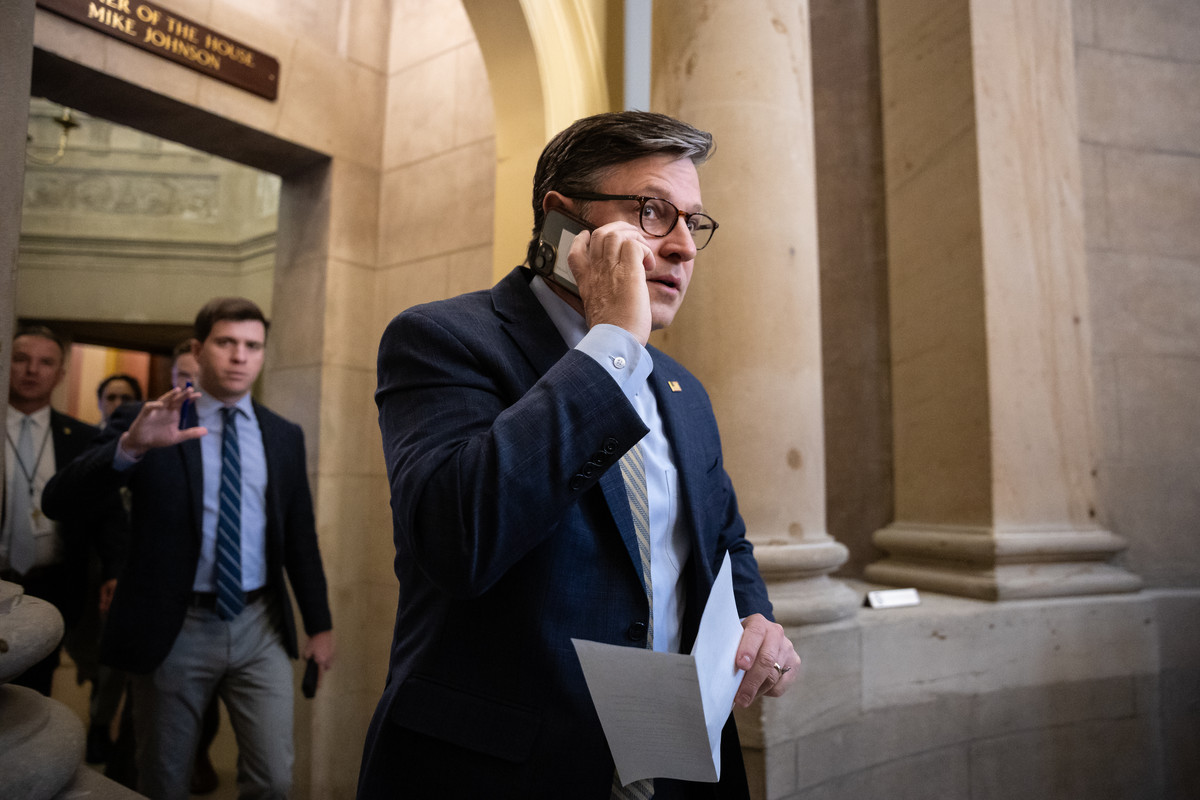
They told him, in no uncertain terms, that they wanted nothing to do with the nation’s student loan portfolio.
Now, years later, the Trump administration is handing them the job anyway. Education Department officials recently announced plans to gradually transfer the nearly $1.7 trillion student loan portfolio to the Treasury Department, starting with loans already in default. The move represents a major escalation in President Donald Trump’s push to dismantle the Education Department, placing the burden of collecting overdue debt onto an agency that has spent years trying to avoid it.
The Education Department has argued that Treasury is best equipped to handle defaulted loans because of its long history of collecting other federal debts. But current and former federal student aid officials say the agency’s expertise lies in aggressive, forced collection tactics like seizing wages. It lacks experience with the more flexible repayment options available to student loan borrowers, including a process known as account rehabilitation that helps borrowers get out of default and repair their credit.
“Treasury will do an unbelievably good job at draconian collections,” Johnson said. “What they’re not prepared to do because they never had to do it before, and they’re not even thinking about it, is account rehabilitation.”
Millions of Borrowers Face New Financial Pressure
The shift could eventually create new financial pain for the 10 million borrowers already in default, a status that can tank a person’s credit score at a time when the price of gasoline, housing, food and other essentials continues to rise. Current and former officials worry that Treasury’s hardline approach will leave borrowers with fewer options to manage their debt.
Education Undersecretary Nicholas Kent said he is working with Treasury to modernize the rehabilitation process, speaking at an event at the American Enterprise Institute on Thursday. He said the two agencies are thinking about how to preserve borrower protections even as the portfolio moves to a department known for aggressive collections. Still, officials familiar with the negotiations said Treasury has historically lacked both the capacity and the institutional knowledge to handle the softer side of student loan management.
“They didn’t have the capacity to handle the collections, and they certainly had no understanding about the concepts of basically resolving a default or a delinquency,” Johnson said. “They were in the business of very intense, hardcore collections.” The transition, which begins with defaulted loans, is expected to accelerate as the administration continues its broader effort to shrink the Education Department’s footprint.