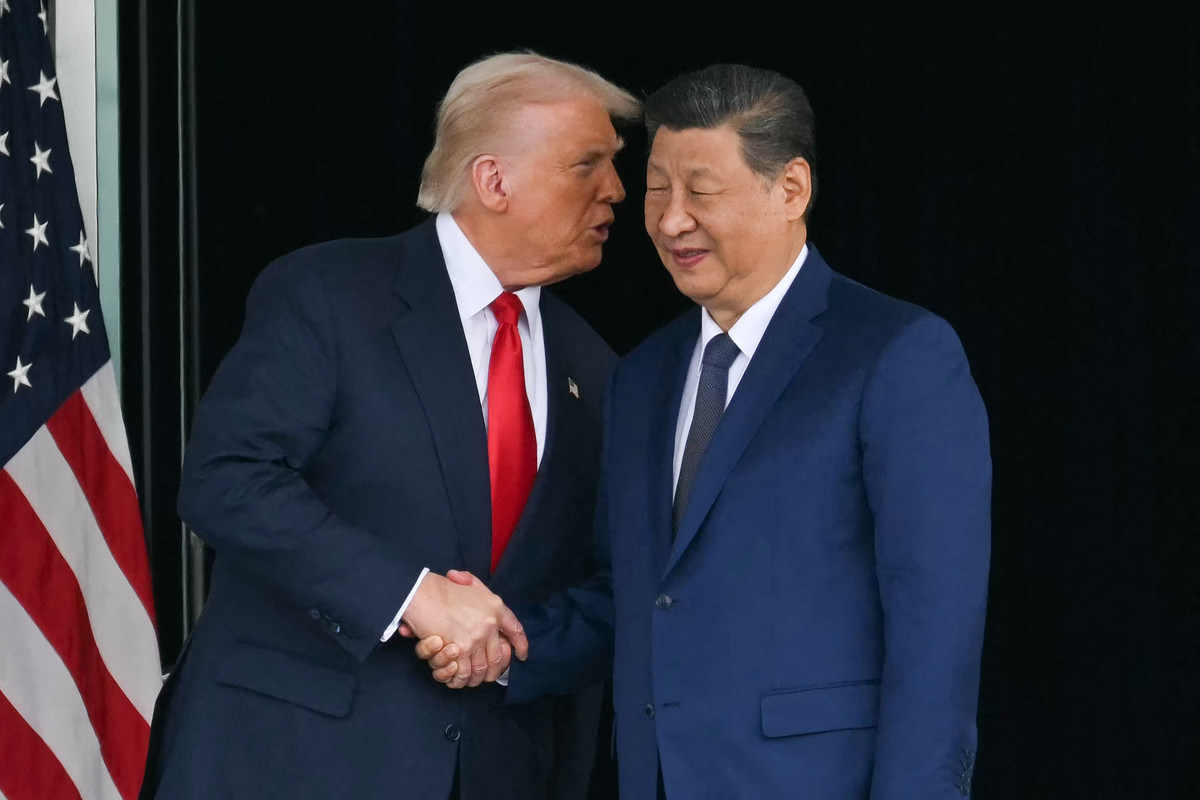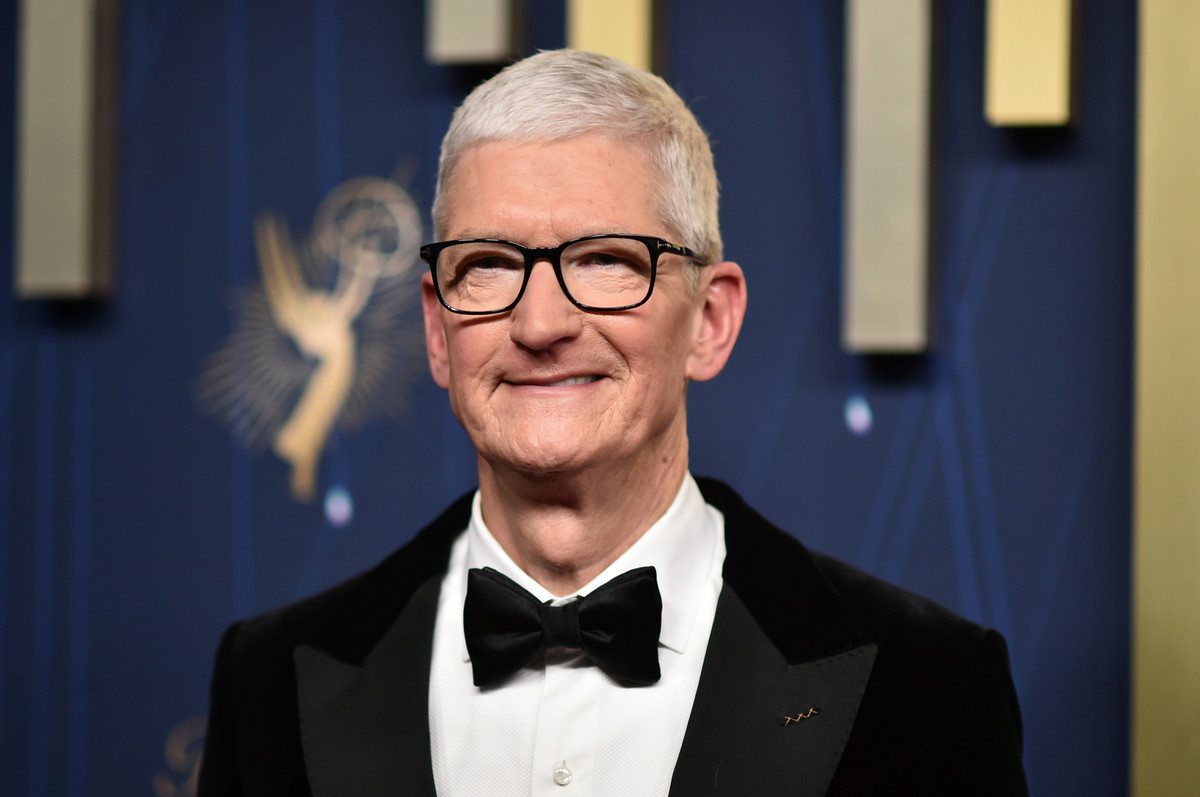
Less than a year later, he is preparing to pass the leadership of that company to a longtime internal deputy.
Apple announced that Cook will step down as chief executive on September 1, concluding a tenure of nearly 15 years. He will be succeeded by John Ternus, the company's senior vice president of hardware engineering, in a carefully orchestrated transition.
Cook, 65, will remain with the Cupertino-based technology giant in the role of executive chairman. This model mirrors the post-CEO paths taken by other foundational tech leaders, including Amazon's Jeff Bezos and Netflix's Reed Hastings, allowing Cook to continue advising the company he helped build.
"It has been the greatest privilege of my life to be the CEO of Apple," Cook said in a statement. He expressed profound gratitude for his team, calling them "ingenious, innovative, creative, and deeply caring people."
A Legacy Defined by Scale and Stability
Cook inherited the CEO role from the late Steve Jobs in 2011, steering Apple through an era of unprecedented financial growth. Under his operational leadership, the company's market value increased by more than $3.6 trillion, a period dominated by the massive commercial success of the iPhone.
While often compared to the visionary showmanship of Jobs, Cook's steadiness leveraged the foundation built by his predecessor. He transformed Apple from a company once near bankruptcy in the 1990s into a financial and cultural behemoth.
The elevation of Ternus signals a continued focus on Apple's core identity as a hardware maker. As the leader of hardware engineering, Ternus has been a key figure behind recent iterations of the iPhone, Mac computers, and the iPad.
The planned transition ensures continuity for a company at a pivotal moment, navigating new frontiers in artificial intelligence and mixed reality while protecting its legacy businesses. The leadership change marks the end of one defining chapter and the beginning of another.