The gathering was one of at least four fundraisers the candidate attended during a multi-day trip to Silicon Valley, according to copies of invitations obtained by POLITICO and confirmed by a donor and a Democratic aide who spoke on condition of anonymity to discuss private events.
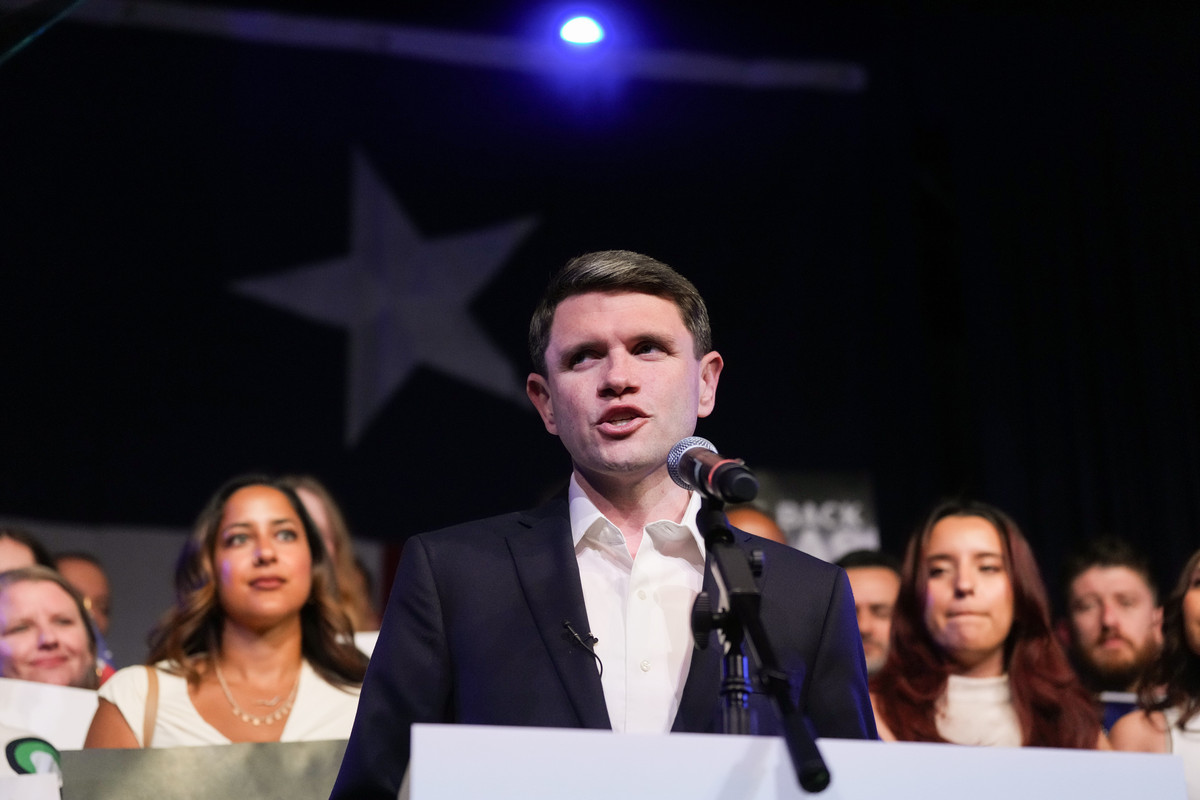
The trip complicates Talarico’s central campaign message. The Austin Democrat has built his Senate bid around sharp attacks on the outsized role of billionaires in American politics, vowing to ban super PACs and reject corporate PAC money. Yet facing a race against Republican Ken Paxton that could shatter spending records in Texas, Talarico is turning to the very class of donors he has publicly condemned.
“We already know who we’re running against: The billionaire megadonors and their corrupt political system,” Talarico said during his primary night victory speech in March. His campaign pointed to his public record on campaign finance reform in response to questions about the fundraisers. Spokesperson JT Ennis said in a statement that Talarico is “the only candidate who’s outlined a comprehensive agenda to ban super PACs, ban corporate PACs, ban congressional stock trading and tax billionaires.”
The donations from the Bay Area events were accepted by Talarico’s campaign committee, not by any super PAC, a distinction his supporters argue maintains consistency with his pledge to refuse corporate PAC money. But the candidate has previously accepted PAC contributions during his state legislative campaigns, a move his campaign at the time defended as necessary to avoid “unilaterally disarm and let Texas Republicans play by different rules.”
Two outside groups, Moment of Truth PAC and Lone Star Rising PAC, have collectively pledged to spend heavily on Talarico’s behalf, adding another layer to the tension between his reformist rhetoric and the practical demands of a high-stakes Senate race. The contest is expected to determine the balance of power in Washington and could become one of the most expensive Senate campaigns in American history.
A Fundraising Gap and a Political Target
Talarico has proven to be a prolific fundraiser by any measure. As of March, he had raised more than $40.3 million, almost entirely from small-dollar donors, and held $9.9 million in cash on hand. Paxton, by comparison, raised $7.6 million over the same period and ended with $2.3 million in cash. The disparity underscores why Talarico remains an attractive figure for wealthy donors seeking to influence the balance of the Senate.
Paxton campaign spokesperson Madison Cercy seized on the Bay Area trip, calling it “just another chapter in James Talarico’s saga of lying and hypocrisy as he runs a flip-flopping campaign across the state of Texas.” Talarico’s team countered that any donor who supports taxing billionaires and limiting money in politics is welcome to help defeat Paxton, whom they characterize as a creature of special interests. The exchange captures the central contradiction of a candidate who must navigate the machinery of big money while campaigning to dismantle it.