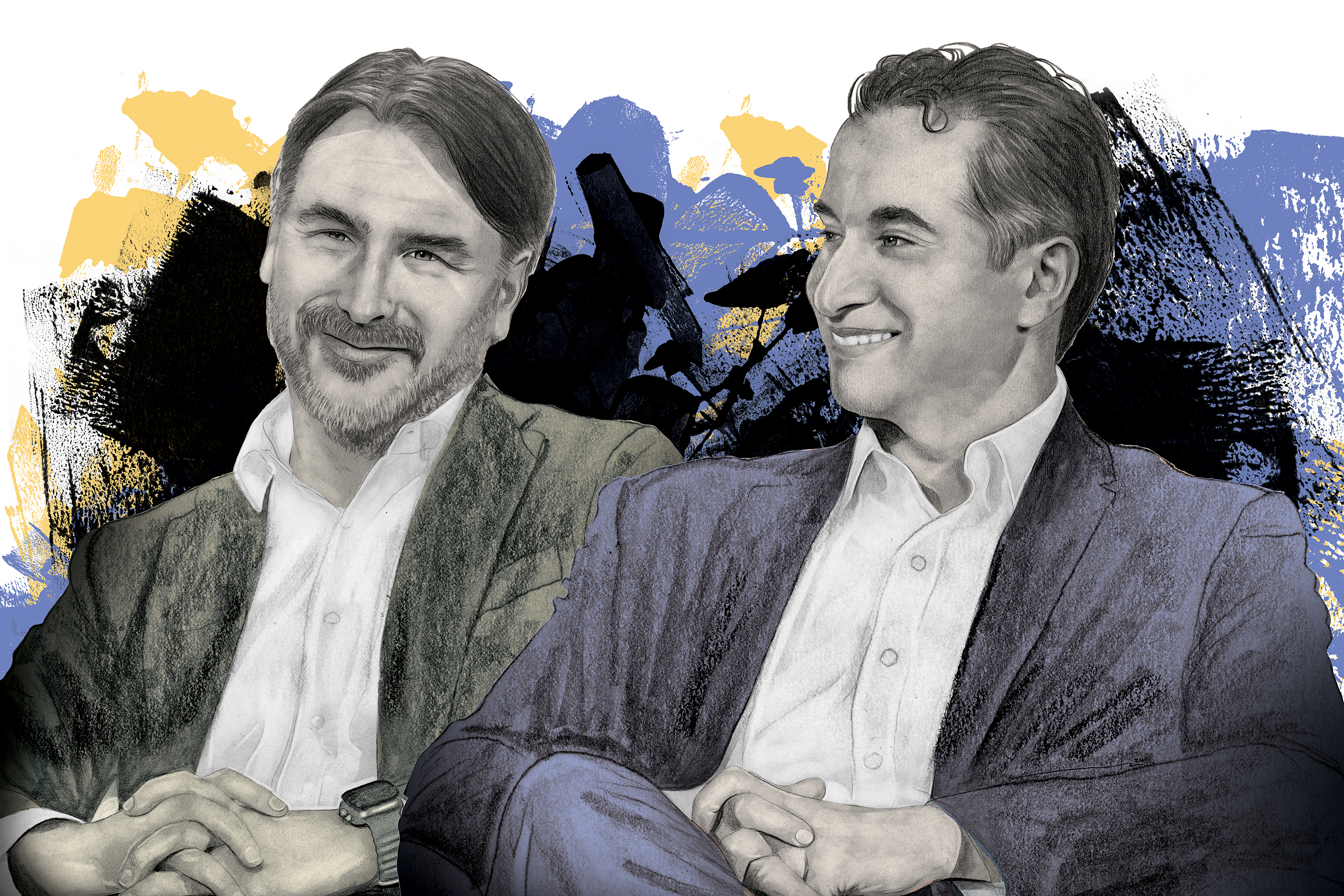
In conference rooms from San Francisco to Washington, two men are quietly orchestrating what may become the most consequential transfer of technology money into American politics this decade. They are not elected officials or even household names, but they are the designated brawlers for an industry that has decided it no longer wants to play defense.
These operatives, deeply embedded in the AI sector’s upper echelons, are channeling massive contributions into the 2026 midterm campaigns with a singular directive: win at all costs. Their strategy reflects a broader shift in Silicon Valley, where the old ethos of bipartisan engagement has given way to a bare-knuckled approach to political spending. The source material indicates that the men in question are unleashing the industry’s cash with an explicit disregard for the backlash it generates.
The sums involved are staggering, even by the standards of modern campaign finance. The AI industry, flush with investor capital and soaring valuations, has transformed into a political ATM. The money is flowing not just to candidates but to super PACs and dark money groups designed to shield donors from public scrutiny. This financial firepower is being deployed with a ruthlessness that alarms campaign finance watchdogs, who see it as a direct threat to democratic accountability.
A Strategy of Aggression
The two political brawlers at the center of this operation are described as veterans of bare-knuckle politics, unafraid of the negative press that often accompanies their work. They operate on the belief that the AI industry’s survival depends on capturing regulatory levers before critics can tighten them. The source material paints them as men who view the backlash not as a deterrent but as a sign they are hitting their targets.
Their tactics include funding primary challenges against Republicans and Democrats who have voiced skepticism about AI expansion, as well as rewarding lawmakers who champion deregulation and generous research subsidies. The goal is to create a political environment where the industry can operate with minimal oversight, even as concerns about job displacement, misinformation, and algorithmic bias intensify among the general public.
Critics argue that this spending spree represents a dangerous capture of the political process by a single, unaccountable industry. They point to the lack of transparency in the funding streams and the willingness of these operatives to punish any politician who crosses them. The source material suggests that the men behind the money are fully aware of these criticisms and simply do not care, viewing the backlash as an inevitable cost of doing business in a polarized era.
For the candidates on the receiving end of this largesse, the calculus is straightforward. Accepting the money means access to a seemingly bottomless war chest, but it also means being tied to an industry whose public approval ratings are slipping. The operatives, however, are betting that the sheer volume of cash will overwhelm any reputational damage. As the midterms approach, the question is no longer whether the AI industry will spend, but whether the political system can withstand the weight of its ambition.