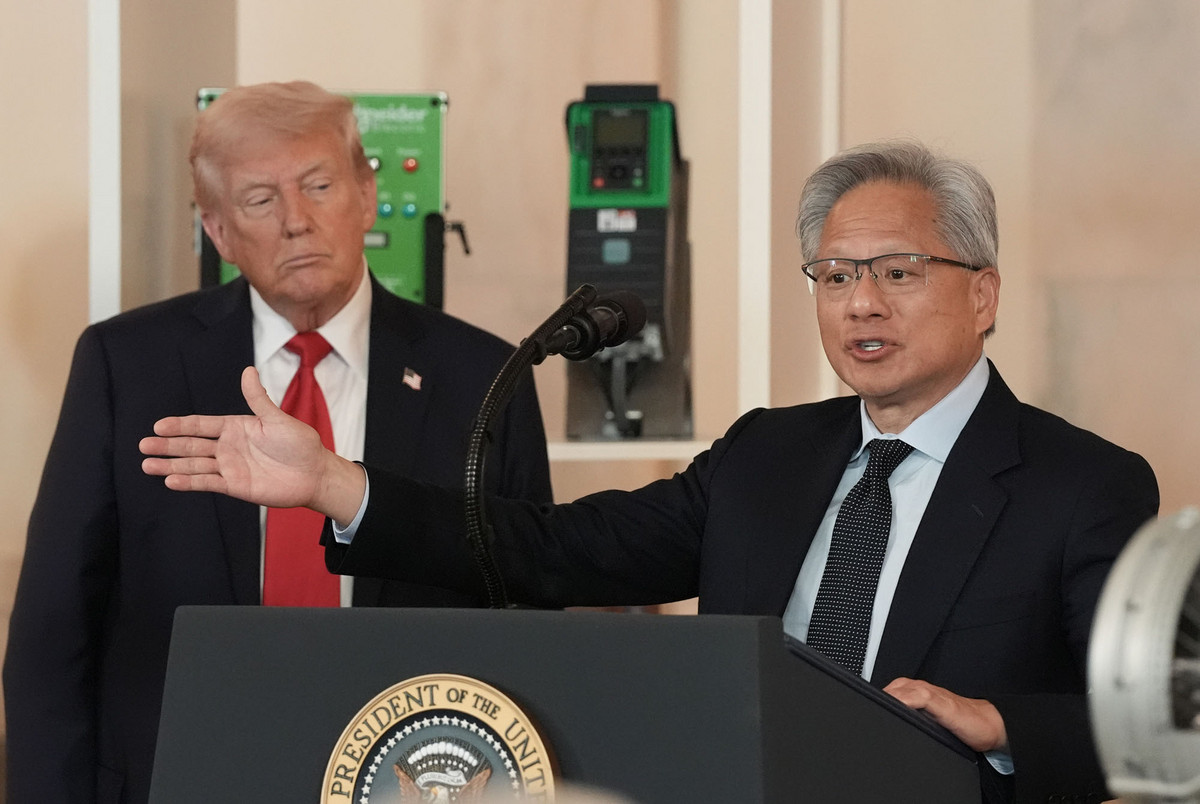
On Wednesday, Huang’s role in shaping that revolution was formalized with a seat at one of the administration’s most influential tables.
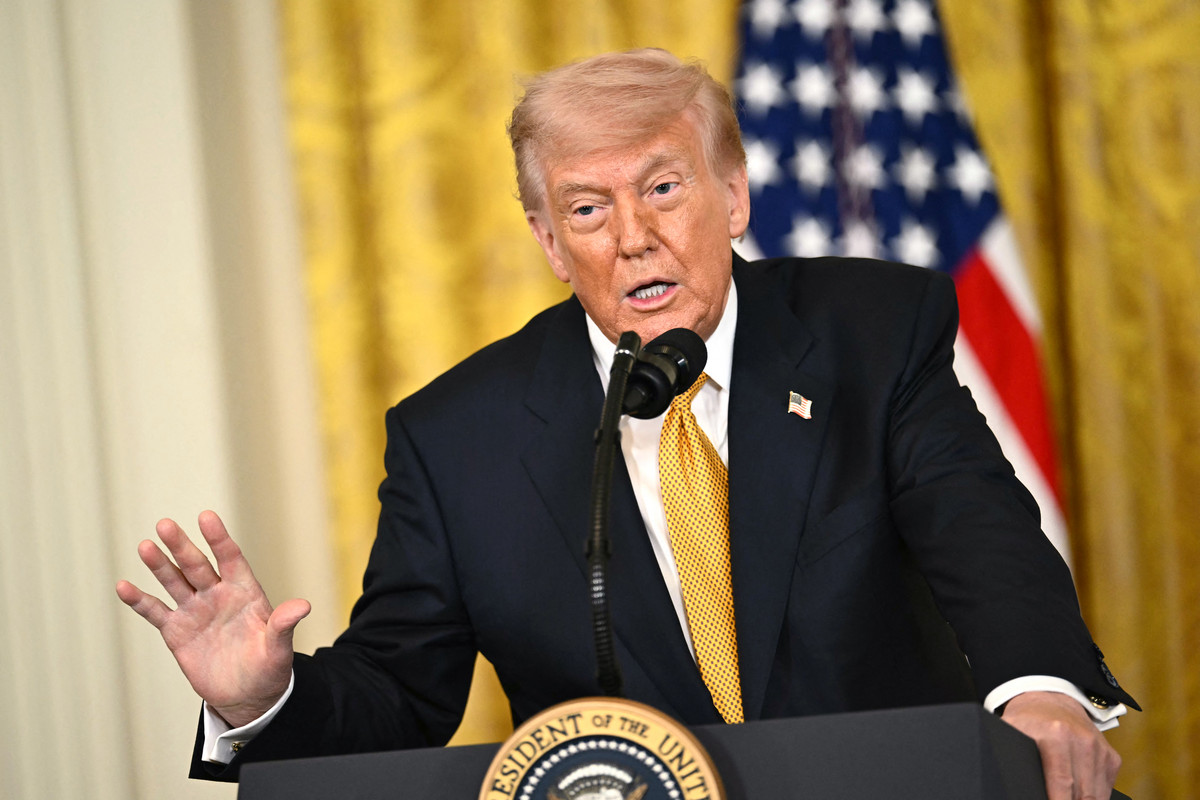
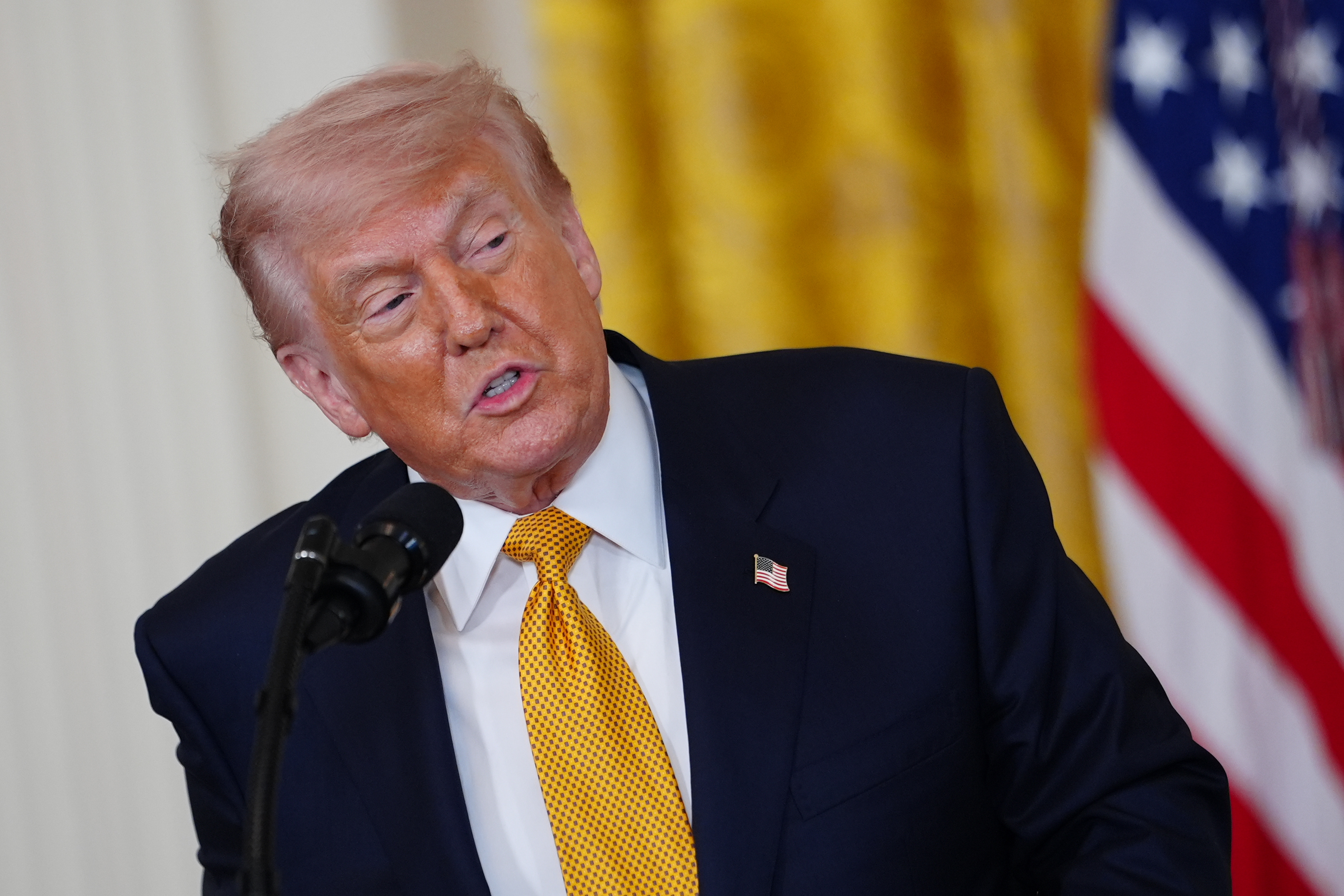
President Trump appointed thirteen members to the President’s Council of Advisors on Science and Technology, loading the panel with Silicon Valley’s most powerful figures. Alongside Huang, the new roster includes Meta CEO Mark Zuckerberg, Oracle executive chairman Larry Ellison, and Andreessen Horowitz co-founder Marc Andreessen. The council is expected to wield significant influence over federal artificial intelligence policy.
The panel will be co-chaired by White House AI czar David Sacks and Office of Science and Technology Policy head Michael Kratsios. The composition marks a shift from prior councils, which traditionally featured a higher proportion of academic scientists and technical experts rather than corporate leaders with direct political ties to the sitting president.
Each appointee brings a distinct history with the administration. Ellison was part of a U.S. investor consortium that acquired a stake in TikTok’s American operations in January and is a longtime Trump supporter. Huang has engaged in a persistent and largely successful lobbying campaign to ease restrictions on selling Nvidia’s advanced AI semiconductors to China.
Andreessen’s venture capital firm, Andreessen Horowitz, has played a major role in shaping the AI policy approaches of both the White House and congressional Republicans. The inclusion of Zuckerberg adds the leader of one of the world’s largest social media and technology companies to the mix.
In a statement, Zuckerberg said the United States “has the opportunity to lead the world in AI” and that he was honored to join the council. Nvidia issued its own statement, saying it was “delighted” by Huang’s appointment, which it viewed as an opportunity to advance American leadership in the field.