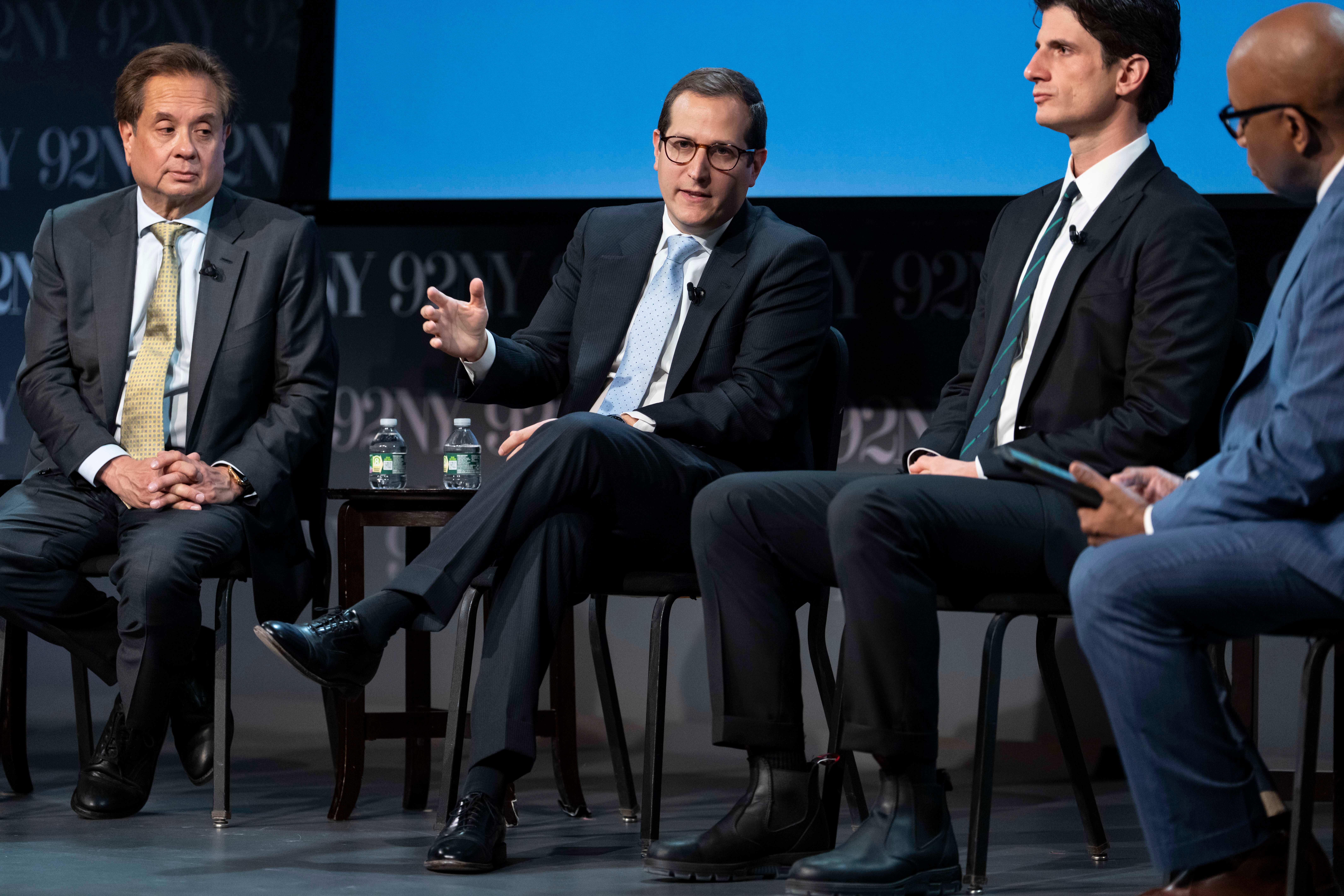
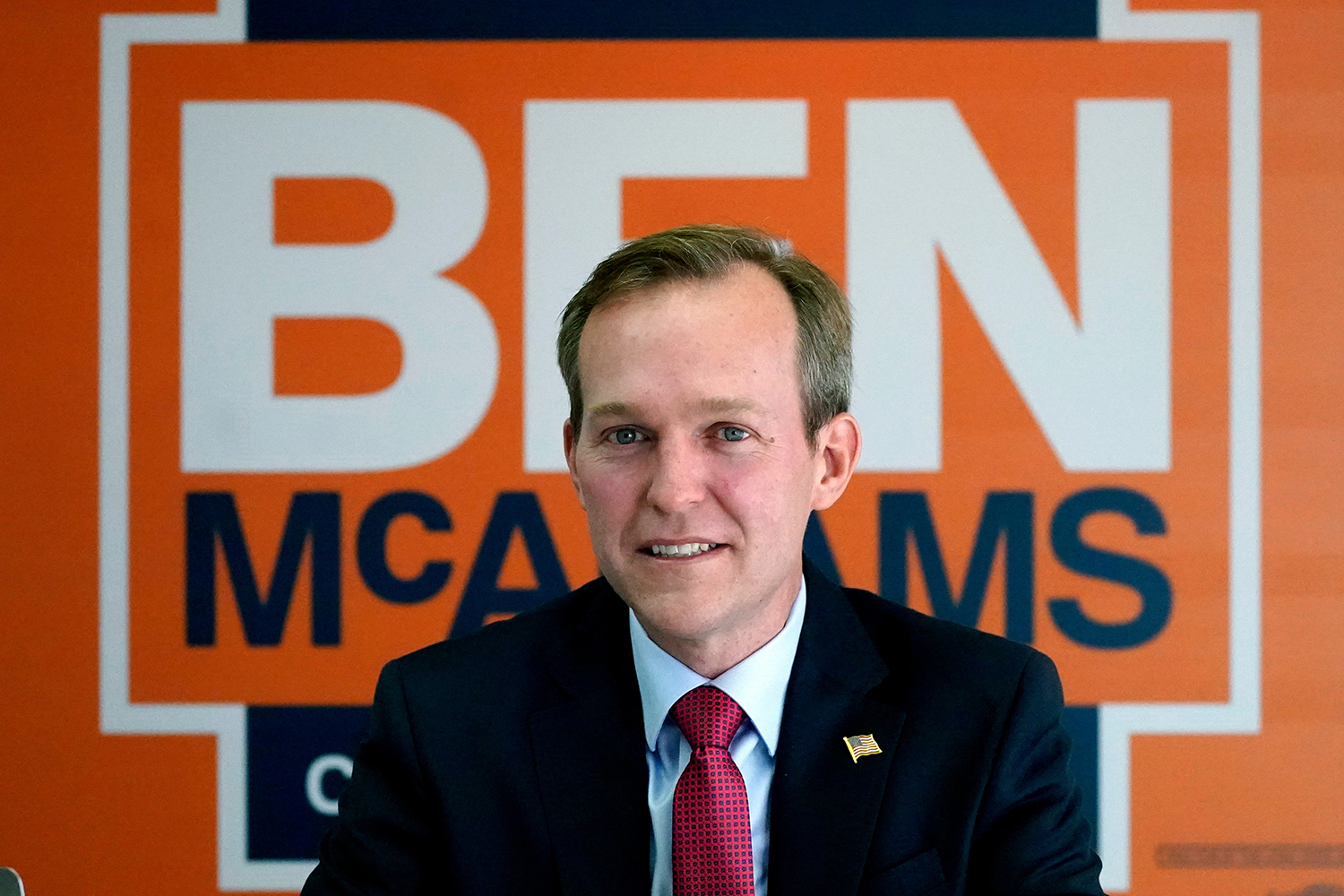
But it is a group of 34 ideologically disparate state attorneys general from Albany to Nashville to Sacramento who are now close to finishing it.
Their success last month in persuading a federal jury that Live Nation is acting as a monopoly, coupled with a less muscular Trump administration posture on antitrust, is resonating well beyond the entertainment space. The verdict is emboldening state attorneys general in both parties who are looking to expand their authority and, in the process, accelerate a shift of regulatory power away from Washington.
Ask a state attorney general, blue or red, where they would like to focus their attention, and the answers span the economy. They cite mergers and consolidation in technology and artificial intelligence, health care, housing, energy and power, restaurants and so-called algorithmic collusion cases in agriculture, hotels and more.
What may be less obvious is that this means companies and policymakers will need to contend with state attorneys general whose interests diverge from the federal government’s and sometimes from each other. “We’ll see more aggressive antitrust enforcement, I have no doubt, in the future from the DOJ,” said Jonathan Skrmetti, Tennessee’s attorney general and a former chief counsel to Republican Governor Bill Lee. “But in the meantime, as the states get better and more invested in it, they’re going to have a seat at the table regardless.”
Skrmetti was one of eight Republican attorneys general and 26 Democrats who rejected a settlement with Live Nation that the Trump administration brokered and sprang on the AGs in March. The proposed deal came after a two-year antitrust probe that began during the Biden administration, following the 2022 ticketing debacle ahead of Swift’s Eras tour.
Instead of agreeing to the deal, the 34 state officials brought in corporate antitrust lawyer Jeffrey Kessler, proceeded to trial without the Justice Department and persuaded a federal jury that Live Nation was acting as a monopoly. That decision could lead to the company’s breakup as a federal judge considers remedies this spring.
The Trump administration’s increasingly permissive approach on corporate consolidation marks a stark turnabout from Biden Federal Trade Commission Chair Lina Khan. Her aggressive tenure redefined antitrust enforcement at the federal level, but with the White House now easing off, state attorneys general are rushing to seize the power for themselves.