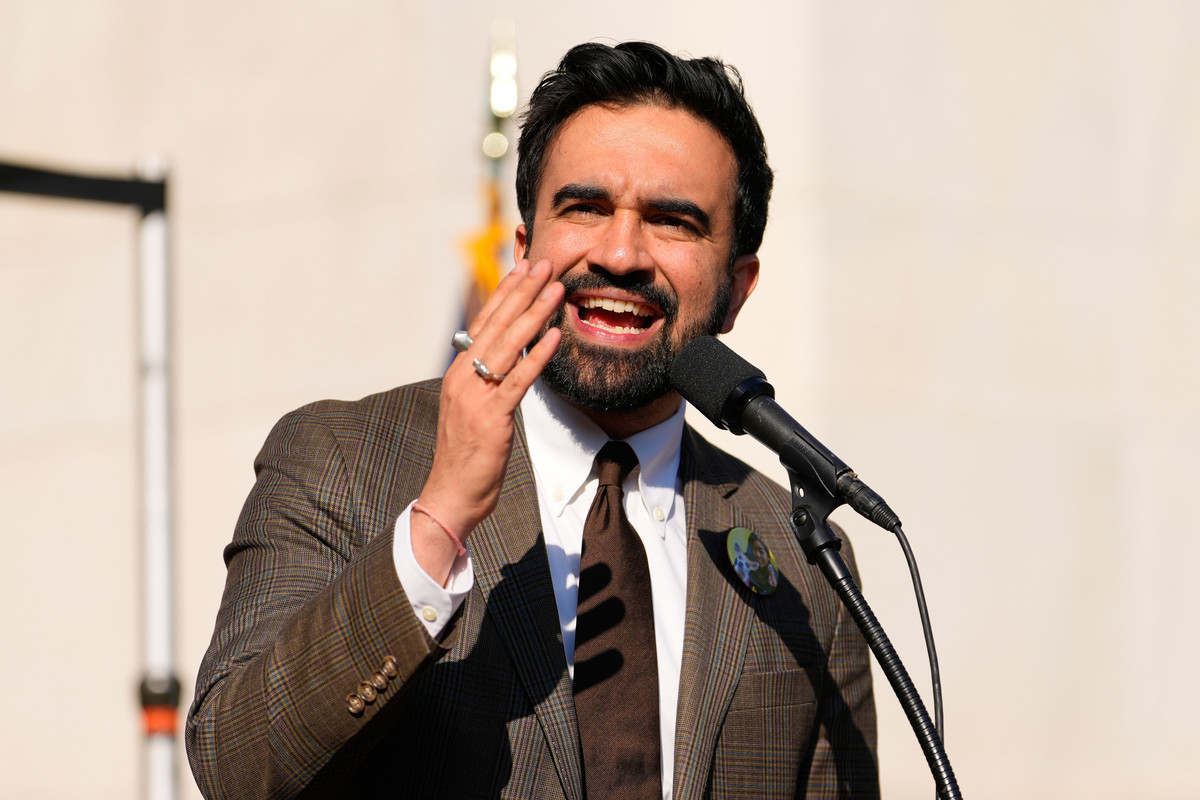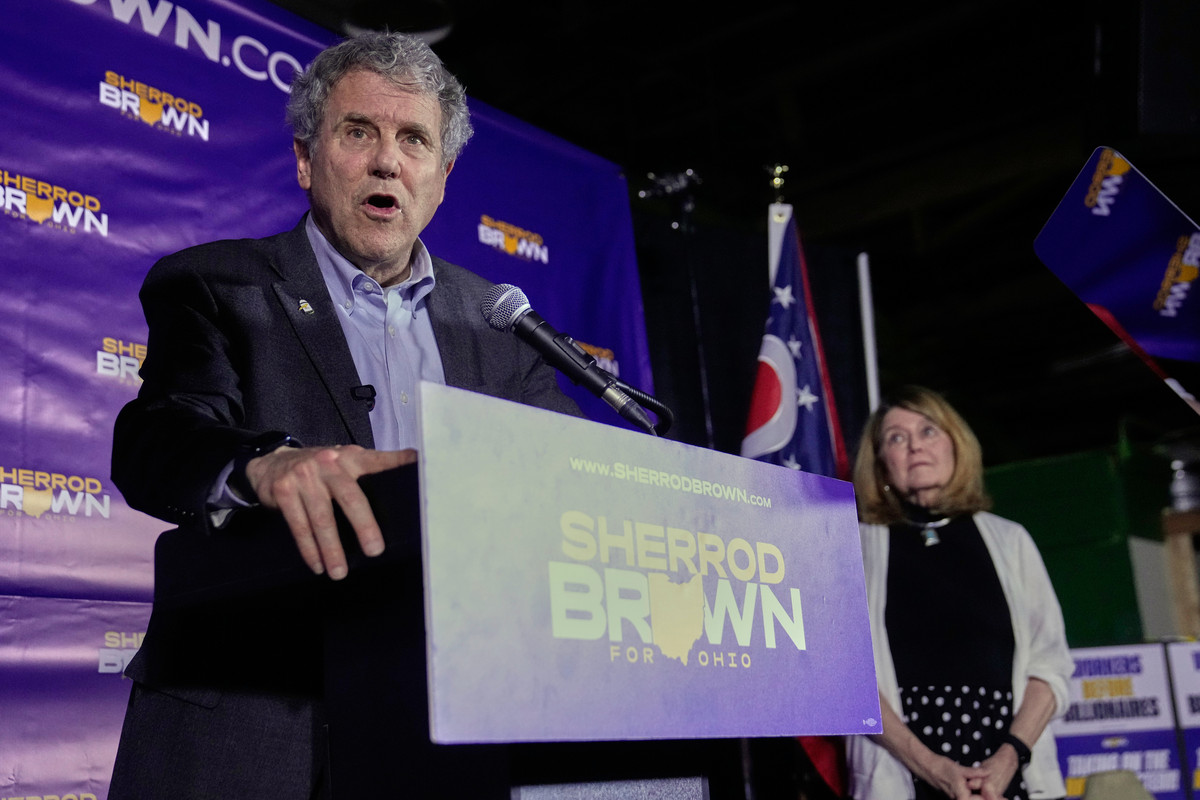
“Bring ’em on,” the Ohio Democrat said in December 2023, rattling off a list of scandals that had plagued the sector. Now, as he mounts a comeback bid for the Senate, his campaign is striking a markedly different note.
Brown’s failed 2024 reelection campaign was one of the most expensive non-presidential races in American history, fueled in large part by outside money from crypto-backed groups. Fairshake, a super PAC funded by leading crypto companies, entered this year with nearly $200 million in the bank and is preparing to deploy its war chest aggressively in the coming months to support industry allies and target critics. Brown, a longtime crypto skeptic running in a race that could determine control of the Senate, is a major potential target.
His campaign appears eager to avoid a repeat of the onslaught. “Sherrod Brown recognizes that cryptocurrency is a part of America’s economy,” his campaign manager, Patrick Eisenhauer, said in a statement. “He’ll keep an open mind towards all issues as they come before the Senate, and work to ensure that as more people use cryptocurrency, it expands opportunity and lifts up Ohioans.”
The softer approach signals that the staggering sums amassed by crypto companies are causing even the industry’s harshest critics to tread carefully. Brown’s race is pivotal to the Senate’s balance of power, where Democrats hope to chip away at a fragile GOP majority that has largely embraced the crypto sector’s policy goals. Outside spending is poised to shape the contest from the outset.
From defiance to discretion
Known for his populist brand centered on critiques of corporate power and special interests, Brown was not always so muted. When the first signs emerged that crypto companies were gearing up to help defeat him in 2024, the then-chair of the Senate Banking Committee was defiant. “They clearly have betrayed the public interest,” he said that December, referencing the industry’s scandals.
His 2024 campaign manager, Rachel Petri, echoed that posture at the time, saying Brown “takes a back seat to no one when it comes to standing up to special interests — including crypto — to level the playing field for Ohioans and protect them from fraud.” Fairshake-affiliated PACs later poured more than $40 million into an effort to unseat Brown, part of an audacious spending spree that helped elect industry-friendly lawmakers who have since advanced the sector’s agenda on Capitol Hill.
While Brown’s current position is hardly a ringing endorsement of the crypto industry, the shift in tone underscores the pressure that a well-funded outside campaign can exert. For a senator who built his career on taking on powerful interests, the path back to Washington may require a more careful calculation about which battles to fight.