The move comes as major technology companies have begun a quiet but concerted campaign to water down the most stringent provisions, arguing that the measures would fundamentally reshape how the internet operates for all users.
The legislative package, which Cruz has been assembling for months, targets a range of practices that critics say have left children vulnerable on social media and gaming platforms. Among the most contentious elements is a provision that would impose a duty of care on platforms, requiring them to design their services with the best interests of minors in mind. This would legally obligate companies like Meta and TikTok to mitigate features that lead to compulsive use, such as algorithmic recommendations and infinite scroll.
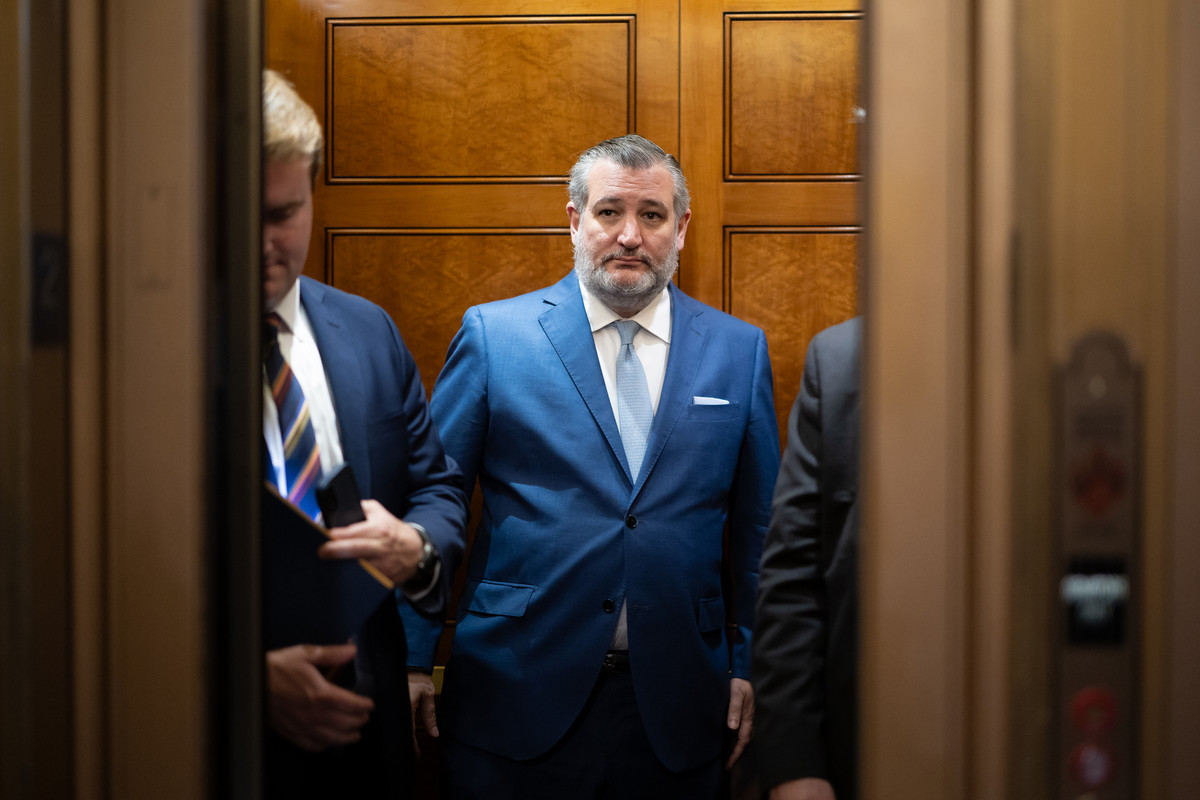
The bill also includes stricter rules on data collection from users under the age of 17, effectively barring platforms from targeting advertisements based on a minor’s browsing history or location data. Cruz framed the effort as a necessary correction to a digital environment that he described as the “wild west” for child safety. “The status quo is not working,” Cruz said during the announcement. “These companies have had years to police themselves, and they have failed.”
Industry Pushback and Lobbying Efforts
Opposition from the tech sector has been building behind the scenes, with major trade groups arguing that the legislation is overly broad and would inadvertently harm the very users it aims to protect. Lobbyists for the industry have cautioned that the duty of care standard could lead to a flood of litigation, forcing platforms to remove all user-generated content that could be deemed harmful to minors, including educational material on mental health or sexuality.
The Computer & Communications Industry Association, which represents companies like Google and Amazon, has circulated memos on Capitol Hill warning that the bill could break end-to-end encryption by requiring platforms to scan private messages for predatory behavior. Cruz’s office has pushed back on that interpretation, insisting that the legislation does not mandate a specific technical solution and that companies retain flexibility in how they comply.
The timing of the push is significant. With the 2026 midterm elections on the horizon, the issue of children’s online safety has become a rare point of bipartisan agreement, even as the specific remedies remain deeply divisive. Cruz is hoping to capitalize on that momentum, though his staff acknowledged that securing the 60 votes needed to overcome a potential filibuster in the Senate remains a steep climb.
For now, the bill is expected to be marked up in the Senate Commerce Committee within the next two weeks. If it advances, it would set up a high-stakes floor fight that could test the influence of an industry that has spent years fending off federal regulation. Cruz made clear he intends to force a vote. “The American people deserve to know where their senators stand,” he said. “Are they with the children, or are they with the Big Tech lobbyists?”