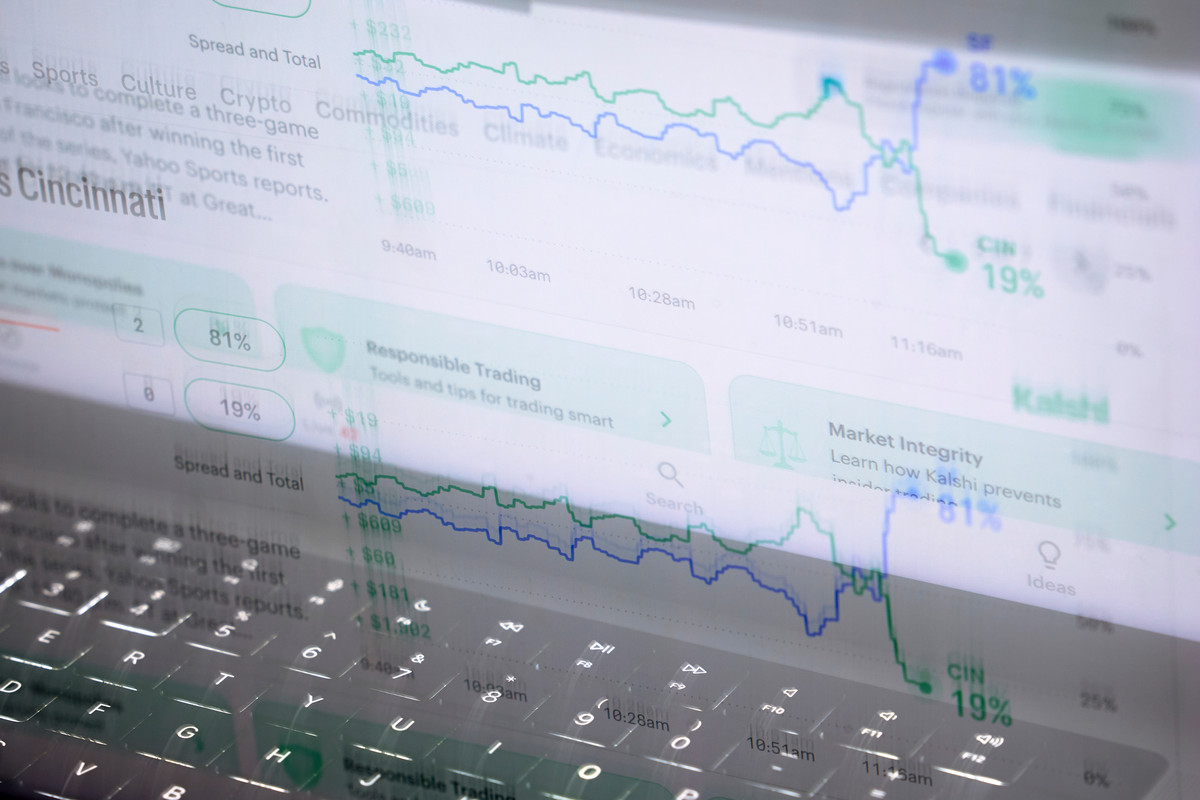
They were wagers on whether the Federal Reserve would cut interest rates by June, bets that looked and felt like the kind of speculative gambling that has long been confined to offshore sportsbooks and casino floors.
The scene captured a moment of rapid transformation in American finance. Prediction markets like Kalshi and Polymarket have exploded into the mainstream, processing tens of billions of dollars in volume each year and turning the act of making a bet into something that increasingly resembles making an investment. The shift has forced a fundamental question on regulators and lawmakers: where does investing end and gambling begin?
The issue gained new urgency last year when prediction markets were permitted to enter the sports betting arena, further dissolving the distinction between trades made for financial return and those made for pure entertainment. Traditional financial executives have begun to sound alarms. Ronald Kruszewski, the CEO of Stifel, warned in his annual letter to shareholders last month that the technological interface itself was driving the confusion. “When the interface makes no distinction between placing a bet and making an investment, you stop making that distinction too,” he wrote.
The concern echoes warnings from lawmakers during the GameStop trading frenzy a few years ago, when amateur investors on Reddit drove up the stock price of a struggling retailer. At the time, Rep. Jim Himes (D-Conn.), a senior member of the House Financial Services Committee, cautioned that treating finance as a cheap thrill posed real dangers. “A lot of people are going to get hurt by that idea,” he said in 2021. Now, with prediction markets embedded in mobile apps, the same dynamic has become more pervasive and harder to police.
Oversight of these platforms falls primarily to the Commodity Futures Trading Commission, a small agency originally created to regulate trading in commodities like oil, corn and wheat. But the CFTC is currently locked in legal battles with multiple states over which government body has jurisdiction over the betting platforms. The federal regulator considers trading on prediction markets to fall within its authority, but state gambling commissions argue the activity is indistinguishable from sports betting and should be regulated accordingly.
The regulatory confusion has left consumers navigating a gray zone. Kruszewski suggested that the technology itself was eroding the public’s ability to tell the difference between a prudent financial decision and a wager. “We now live in a world where people think betting on the Super Bowl coin flip is a form of investing,” he wrote, pointing to the fact that gambling and investing no longer occupy separate apps on a user’s phone.
Congress has not yet stepped in to clarify the legal boundary, leaving the CFTC to fight a series of jurisdictional disputes that could shape the future of the industry. The outcome of those battles may determine whether prediction markets continue to grow as a mainstream financial product or are reined in as a form of unlicensed gambling.