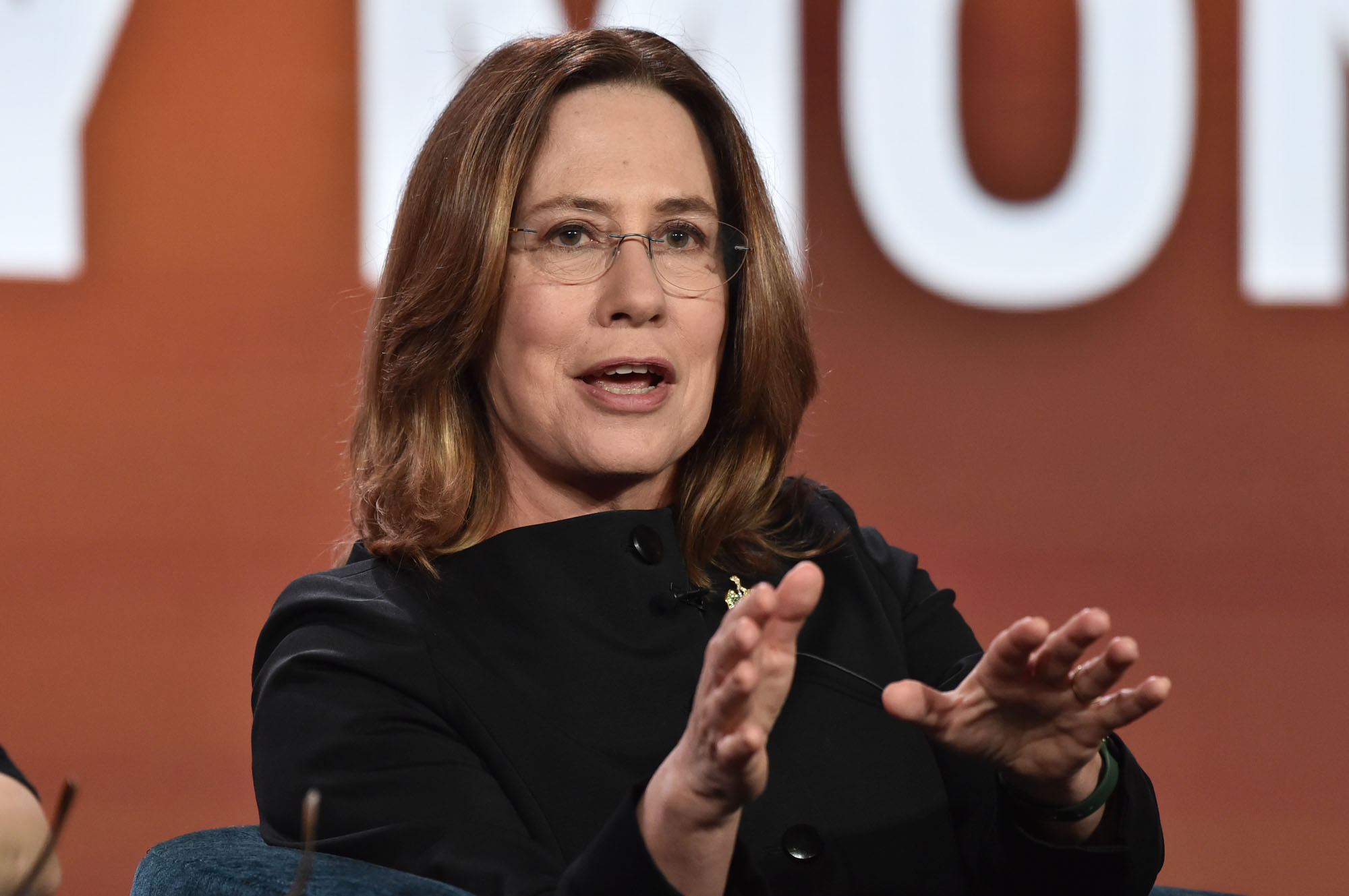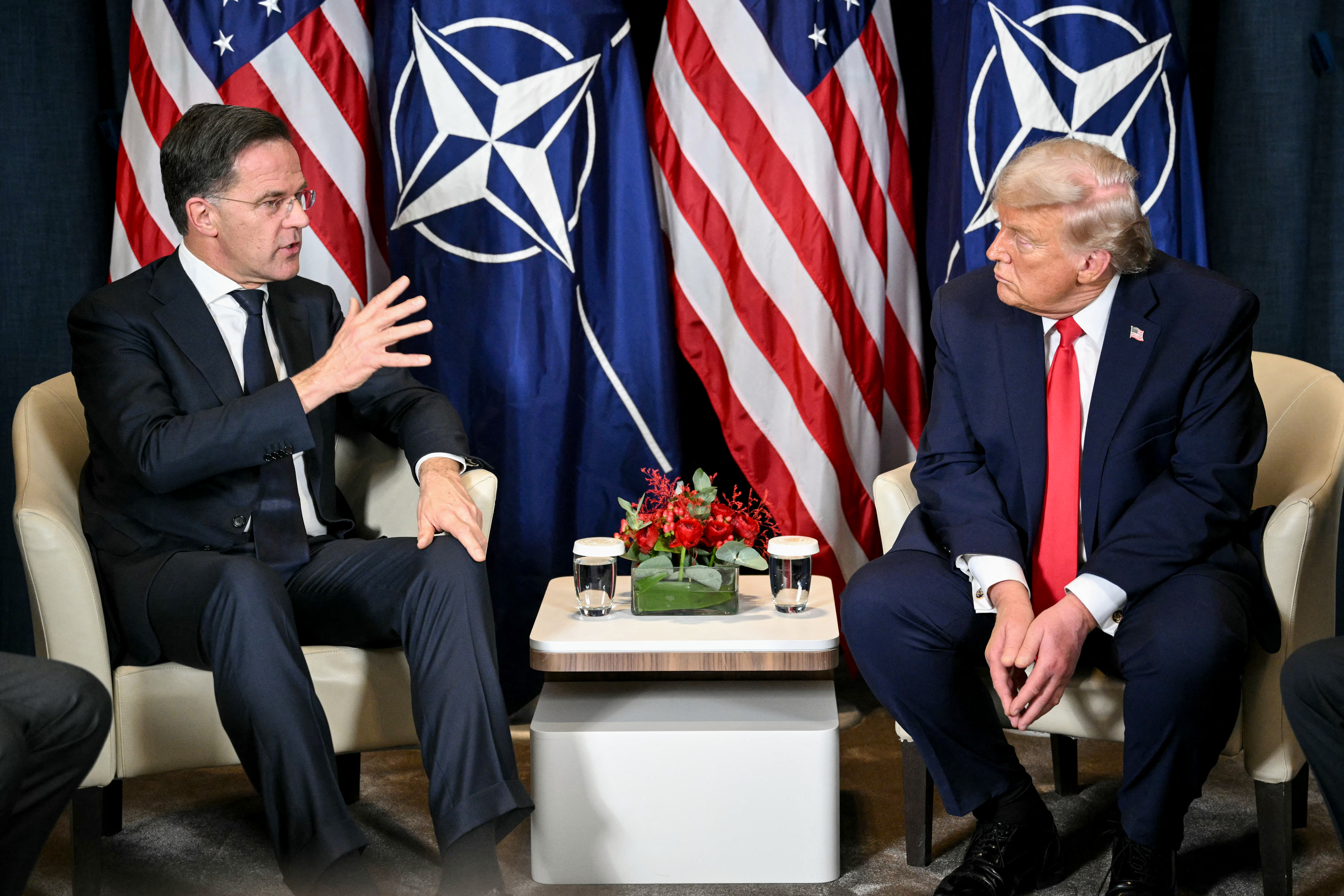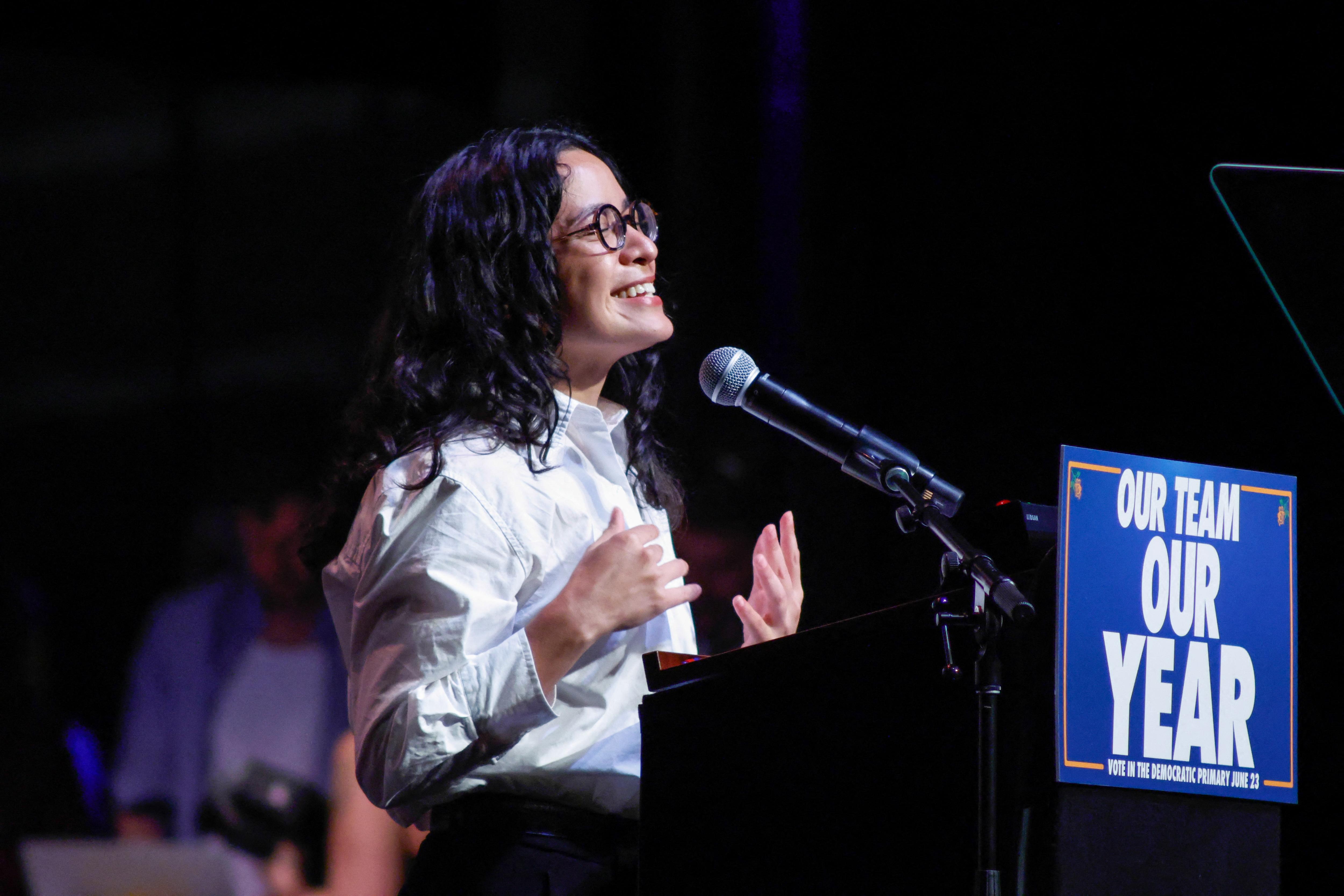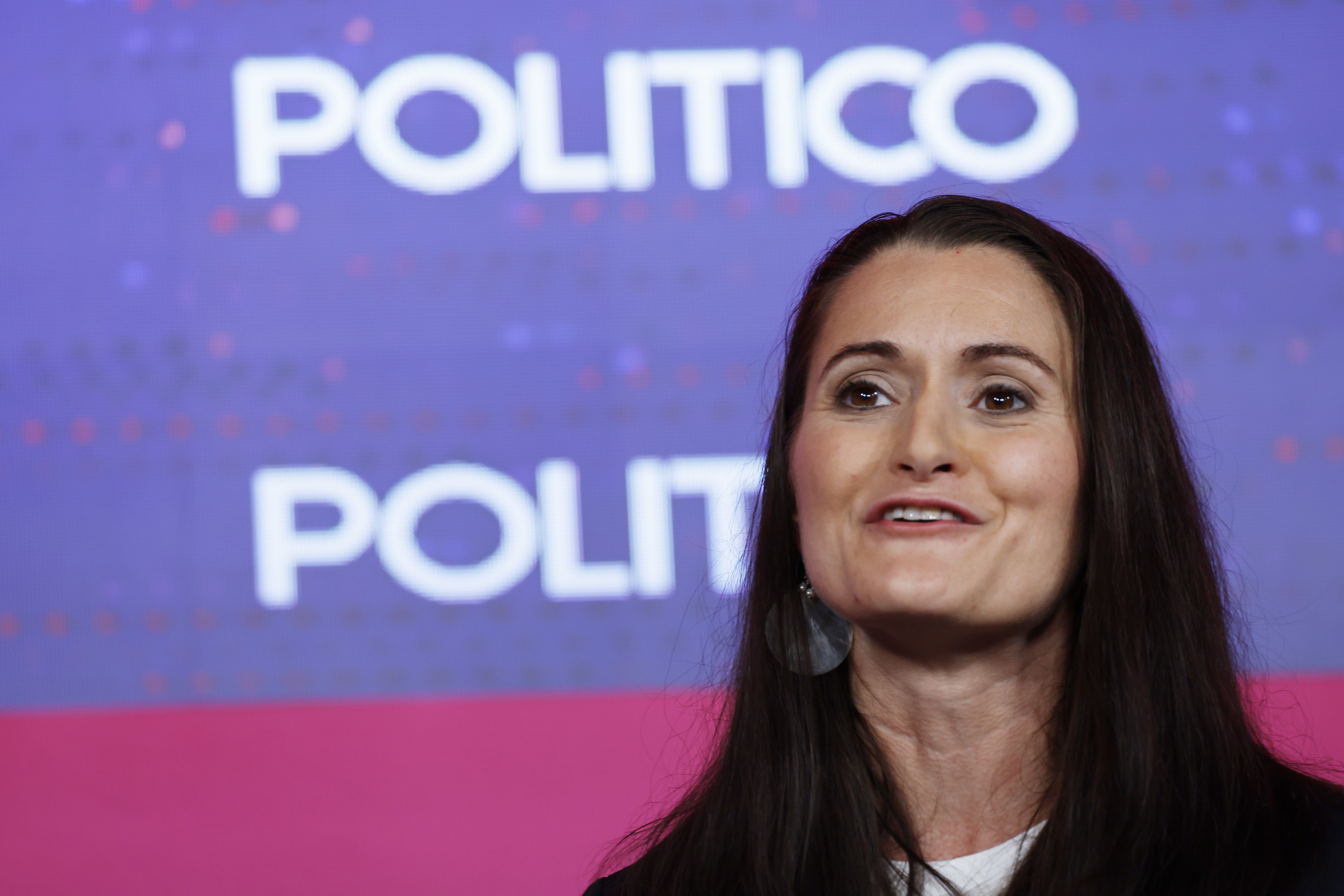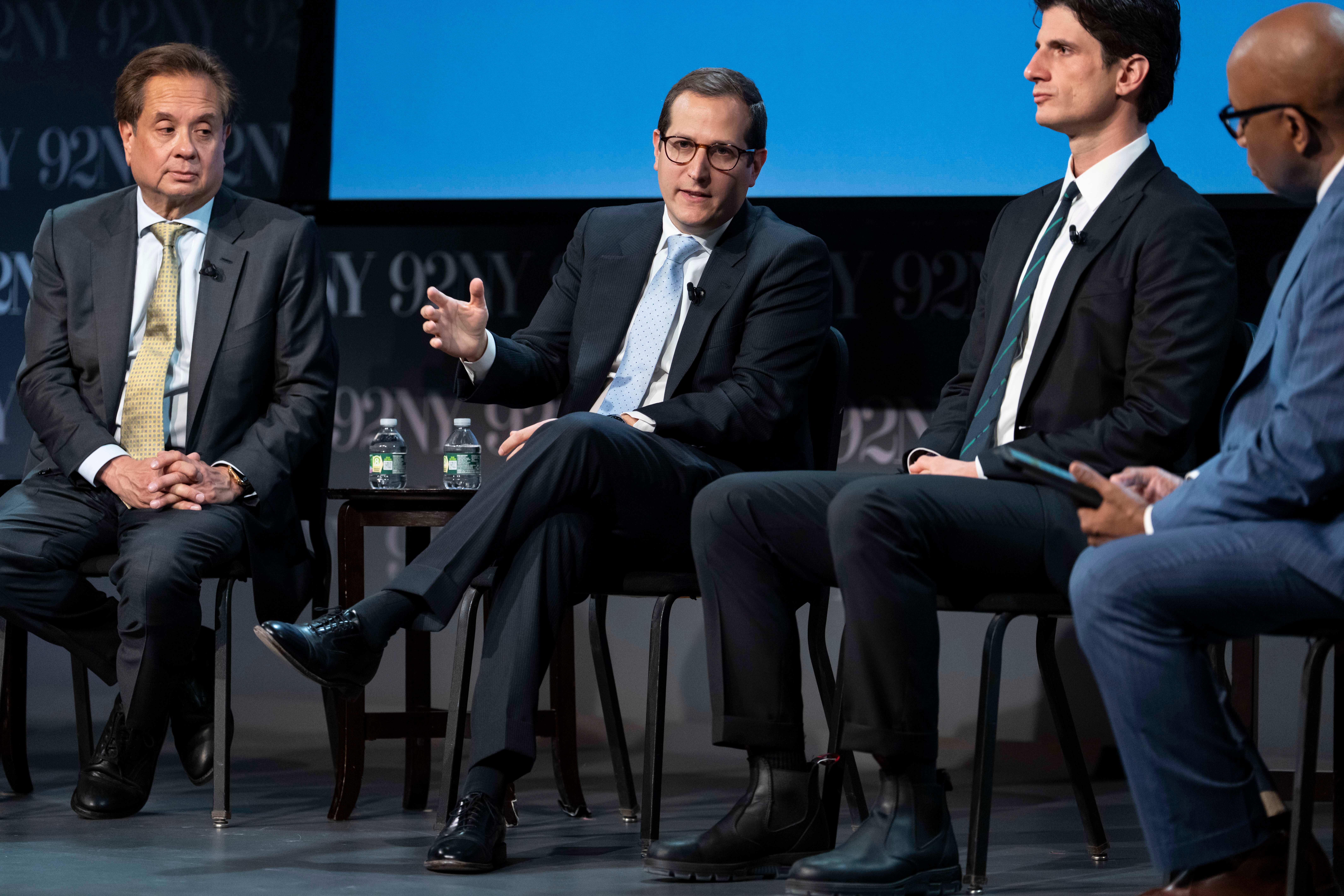
The document, titled Magnifica Humanitas, runs more than 35,000 words and warns against the unchecked development of artificial intelligence. Olah’s presence was not incidental; it signaled that the pontiff had effectively endorsed a middle path in the debate over AI, one that rejects both the accelerationists who demand no restrictions and the doomers who call for a complete halt to development.
For the world’s 1.3 billion Catholics, the pope’s message carries significant moral authority. “Technology is never neutral, because it takes on the characteristics of those who devise, finance, regulate and use it,” Leo writes in the encyclical. He frames the choice before humanity not as a simple yes or no to technology, but as a decision between “constructing Babel or rebuilding Jerusalem.” The document represents the most high-profile intervention yet by a faith leader into the politics of AI, a debate that has become increasingly central to Washington policy battles.
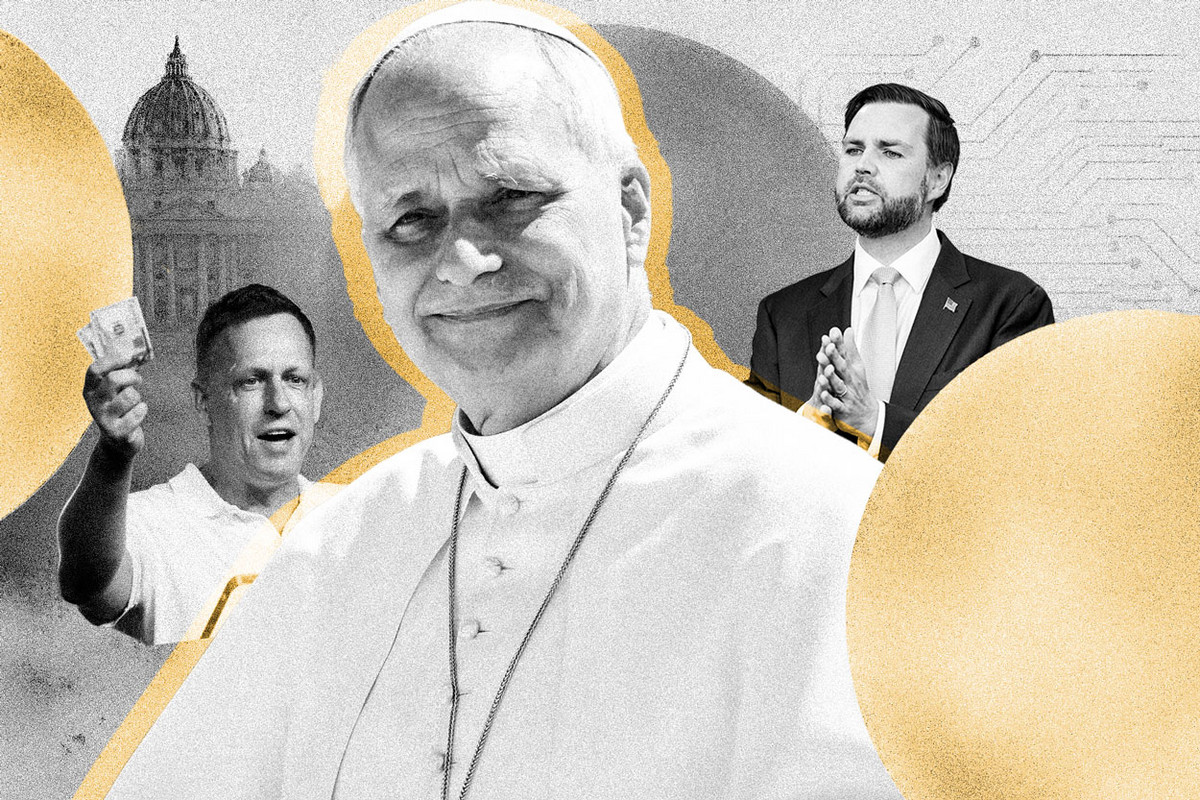
The encyclical lands at a delicate moment for Vice President JD Vance, a convert to Catholicism who has cultivated close ties to the tech industry. Vance has long positioned himself as a bridge between the conservative Catholic intellectual movement and the libertarian-leaning entrepreneurs of Silicon Valley, particularly his former patron, billionaire investor Peter Thiel. Thiel has been a vocal proponent of unfettered technological advancement, and his influence looms large over the administration’s approach to AI regulation.
A Complicated Crossroads for the Vice President
Vance now faces a tension that is both political and personal. The pope’s call for safeguards on AI development aligns with the concerns of many religious conservatives who worry about the erosion of human dignity. But it runs directly counter to the ethos of the tech moguls who helped propel Vance into national office. Thiel and other Silicon Valley figures have argued that excessive regulation will cede American leadership in AI to China and stifle innovation.
Some in the industry have welcomed the Vatican’s entry into the conversation. Brad Smith, the vice chair and president of Microsoft, noted that religious traditions share a common starting point of putting humanity first. “Whereas the people in the tech sector sort of…” Smith said, trailing off before completing the thought. His comment reflected a broader recognition among certain tech leaders that faith-based arguments for ethical boundaries could lend legitimacy to their own cautious approaches.
For Vance, the encyclical transforms a theoretical alignment of interests into a concrete test of loyalty. He has built his political identity on the idea that traditional values and technological dynamism are not in conflict. But the pope has now drawn a line in the sand, arguing that AI development without moral guardrails risks building a modern Tower of Babel. The vice president must decide whether to embrace the Vatican’s vision or to side with the accelerationists who see any restraint as a threat to progress.
The encyclical also injects a new dynamic into the broader American political landscape. Faith leaders across denominations have increasingly spoken out against unchecked AI, and the pope’s intervention gives that movement its most powerful voice yet. For politicians, advocates and technologists who have grounded their arguments in religious belief, Leo’s document represents both an opportunity and a complication. It provides moral cover for those who want regulation, but it also forces those who oppose it to explain why they are breaking with the leader of the world’s largest Christian church.