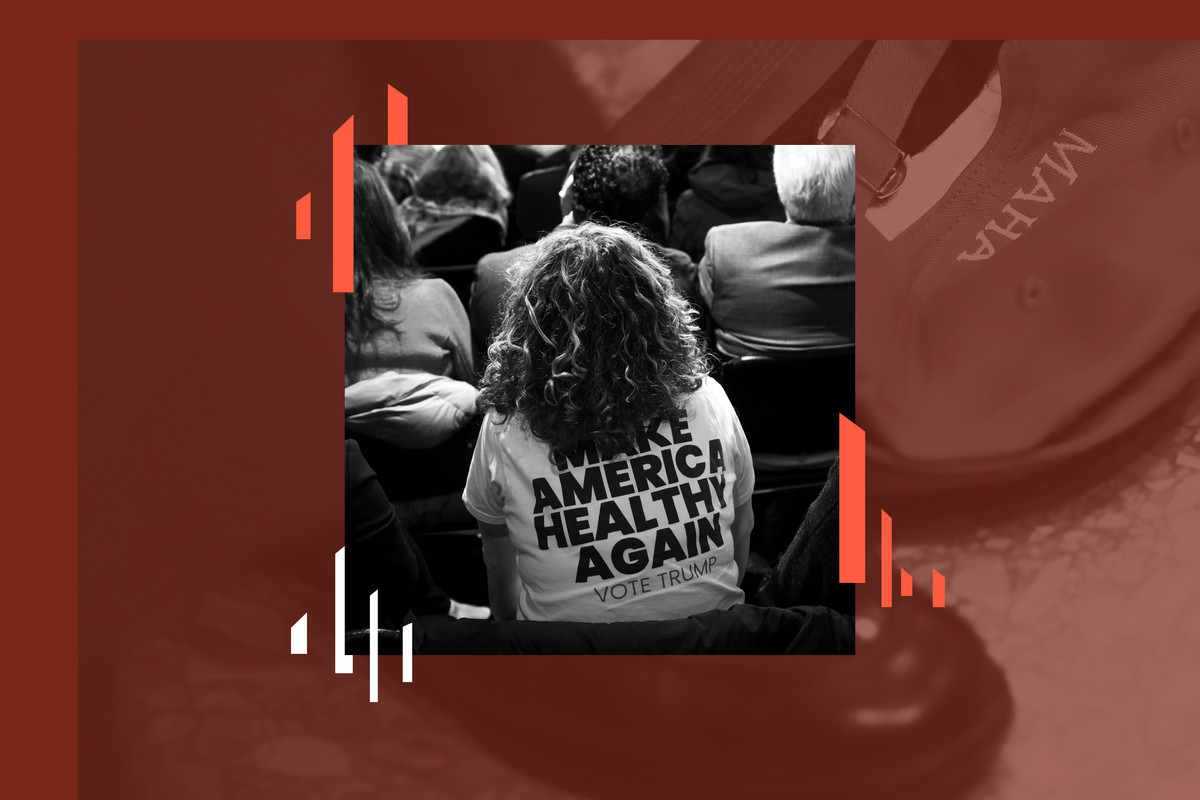
The new POLITICO Poll, conducted with the independent firm Public First, reveals deep fractures within the coalition that helped elect Trump and his Health and Human Services Secretary, Robert F. Kennedy Jr.. While the MAHA movement has successfully pushed the Republican Party to overhaul federal nutrition guides and scale back vaccine mandates, this polling data suggests the political energy it generated is dissipating amid voter frustration. The findings arrive as both parties brace for November elections where control of Congress may hinge on narrow turnout advantages.
Republicans had hoped the health-focused movement would become a permanent pillar of a broad conservative coalition. Instead, the poll indicates the party cannot reliably count on MAHA supporters’ votes. A majority of Americans link the movement to the GOP, but that association is not overwhelming, and the data points to a significant opportunity for Democratic inroads.
Policy Reshaped, Trust Eroded
The MAHA movement’s influence on federal policy is already tangible, driving a redesign of the official food pyramid and a rollback of longstanding vaccine recommendations. These actions reflect a fundamental shift in how the Republican Party approaches public health, aligning with the movement's skepticism of established medical institutions and its focus on environmental and dietary factors.
Yet on the movement’s core priorities, poll respondents viewed Democrats more favorably. They were more likely to trust the Democratic Party to make the nation healthier and to see its members as more eager to improve health outcomes. Conversely, the GOP was perceived as more susceptible to influence from lobbyists representing the food and pesticide industries, whom MAHA activists frequently target.
“The MAHA movement in the [2024] campaign cycle started with a lot of energy,” said Abby McCloskey, a GOP policy adviser. She warned that Republicans are “squandering their MAHA moment,” noting that the initial excitement has faded as voters question what tangible actions the federal government will take.
Democrats are now aiming to convert this widespread dissatisfaction into electoral gains. With 47 percent of all poll respondents expressing support for MAHA—including about a third of former Kamala Harris voters and a third of those planning to vote Democratic this fall—the party sees a path to channel frustration with Trump-era health policies into a decisive midterm advantage.