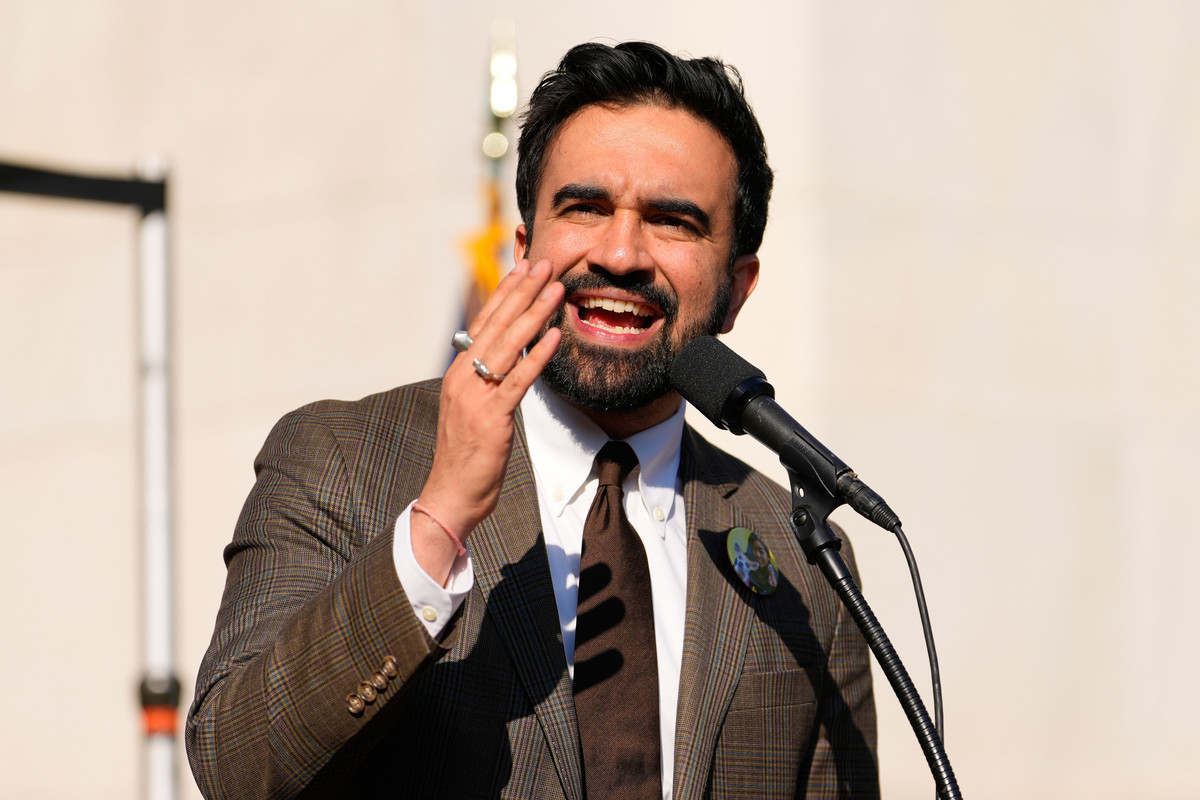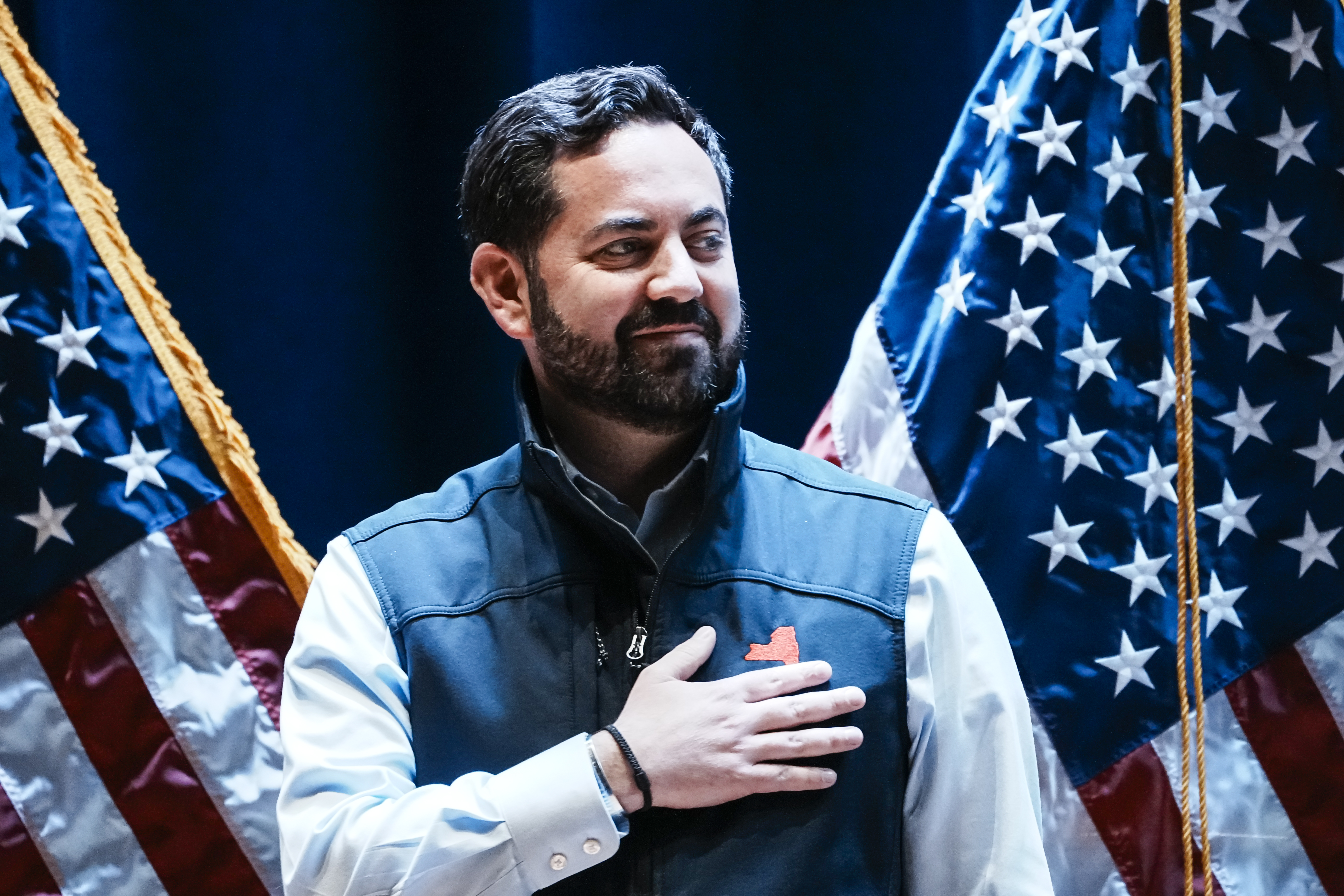
But financial records show that Representative Mike Lawler was all three at once, with his private consulting firm collecting payments from the very organizations he controlled.
Documents reviewed by The Chronicle Page reveal that Lawler’s company received money from two separate nonprofits he ran as well as from the local Republican committee he chaired, all during the same period when he was building his political career. The overlapping payments raise questions about the boundaries between his public service, private business, and party work.
The payments occurred between 2019 and 2021, a period when Lawler served as chairman of the Rockland County Republican Committee and directed both a local civic nonprofit and a separate charitable foundation. During that time, his consulting firm was paid for services that included fundraising, event management, and strategic advice.
Financial disclosures show that the county party paid Lawler’s company more than $40,000 over two years. At the same time, the two nonprofits he led also cut checks to his firm, though the exact amounts have not been fully itemized in public filings. Ethics experts say the arrangement creates a potential conflict of interest, even if no laws were broken.
“When one person controls both the payer and the payee, the usual safeguards of arm’s-length transactions disappear,” said Meredith Klein, a campaign finance attorney who reviewed the records. “The question is whether the work was actually performed and whether it was a proper use of donor or taxpayer dollars.”
Lawler’s office did not respond to requests for comment. In previous statements to local media, he has defended his record, saying his consulting work was legitimate and that he always followed state and federal disclosure rules. He has also noted that his business was registered and paid taxes on all income.
The revelations come as Lawler, a first-term Republican representing New York’s 17th Congressional District, is widely seen as a rising figure in state politics. He flipped a Democratic-held seat in 2022 and is already being mentioned as a potential candidate for governor. His career has been built in part on a message of reform and transparency.
Pattern of overlapping roles
The records suggest a broader pattern of Lawler wearing multiple hats simultaneously. As chairman of the Rockland County Republican Committee, he oversaw party finances while his firm was one of the committee’s vendors. As head of two nonprofits, he approved spending that benefited his own company. Critics argue that structure blurred the lines between his fiduciary duties and personal financial interests.
State election law does not explicitly bar party officials from doing business with their own committees, though it does require full disclosure. Whether Lawler’s filings met that standard remains unclear. The nonprofits, which are not subject to the same rigorous reporting as political committees, have not released detailed audits of their payments to his firm.