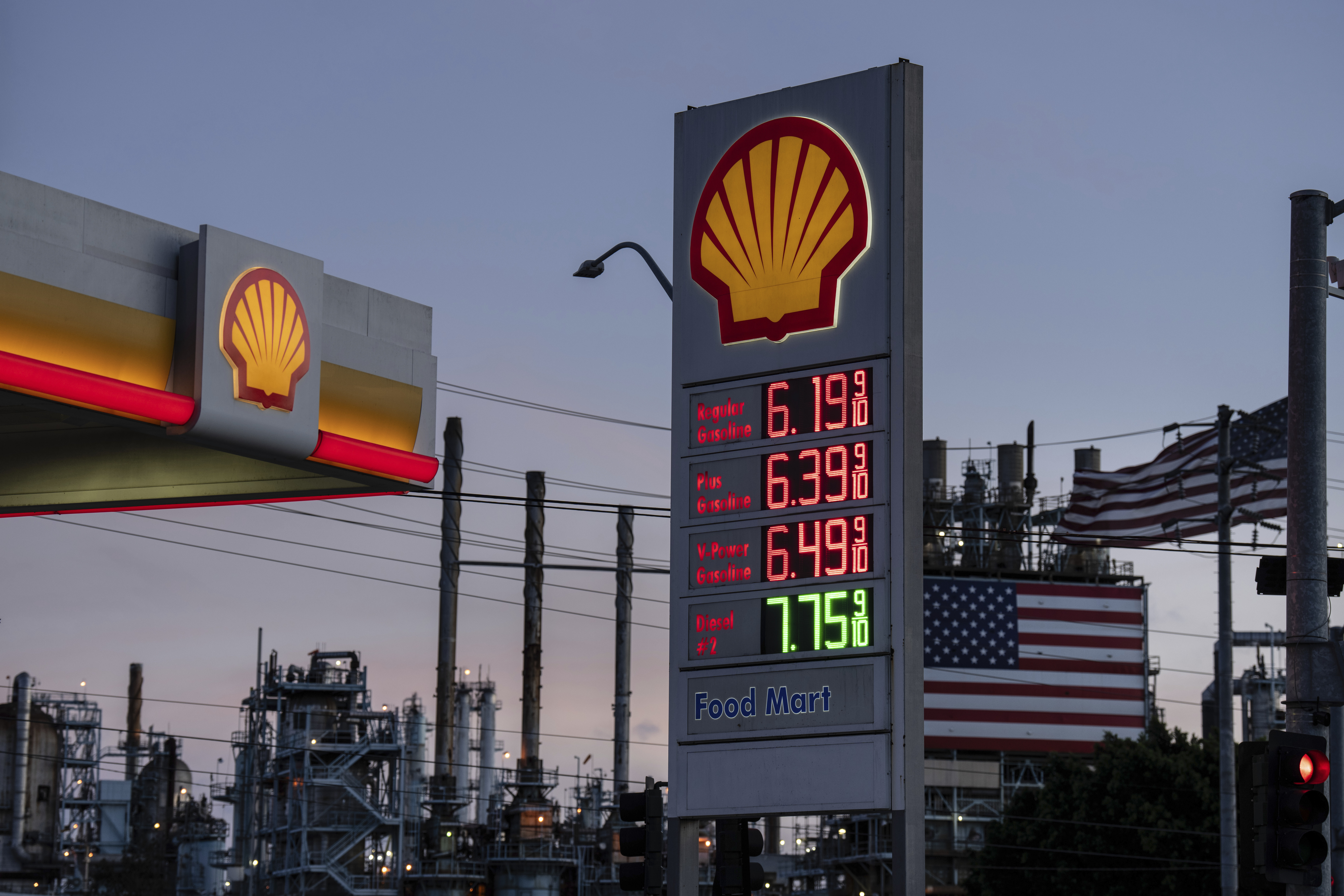
He described the deficit in refining capacity as a bottleneck with the potential for a “significant impact on consumers and people’s pocketbooks,” signaling that price relief at the pump may remain elusive.
Woods’s comments cut to the heart of a growing divide in the energy sector, where investment has increasingly flowed toward upstream extraction while downstream processing facilities have been shuttered or deferred. The executive argued that policy decisions and market signals have systematically undervalued the need for new refineries, leaving the system with little slack to absorb demand spikes or geopolitical disruptions.
The warning arrives as motorists across several continents continue to grapple with elevated fuel costs, a trend that has frustrated central bankers and political leaders alike. While crude oil prices have fluctuated, the cost of gasoline and diesel has remained stubbornly high, a dynamic that industry analysts attribute to the tight margins and limited throughput of existing refineries.
A Structural Squeeze
Industry data suggests that the retirement of older, less efficient plants in Europe and the United States has not been offset by new construction elsewhere, creating a structural squeeze on refined products. This imbalance leaves the market vulnerable to unplanned outages, such as those caused by severe weather or maintenance backlogs, which can instantly translate into higher prices at the regional level.
Woods’s remarks are likely to intensify the debate over energy policy, particularly in Washington and Brussels, where regulators have pushed for aggressive decarbonization targets. The Exxon chief indicated that a lack of clear policy support for refining infrastructure could deter the massive capital investments required to modernize or expand facilities, thereby perpetuating the current tightness.
For consumers, the implication is a prolonged period of volatility, with any significant disruption to the refining network potentially triggering sharp price spikes. The executive’s framing refocuses attention on the midstream and downstream segments of the industry, which often receive less public scrutiny than drilling activity or pipeline politics.
Whether governments will respond by easing permitting processes or offering incentives for refinery upgrades remains uncertain. However, the warning from one of the world’s largest energy producers underscores a sobering reality: the path to lower energy prices may be paved not just with more oil, but with the industrial capacity to turn it into usable fuel.